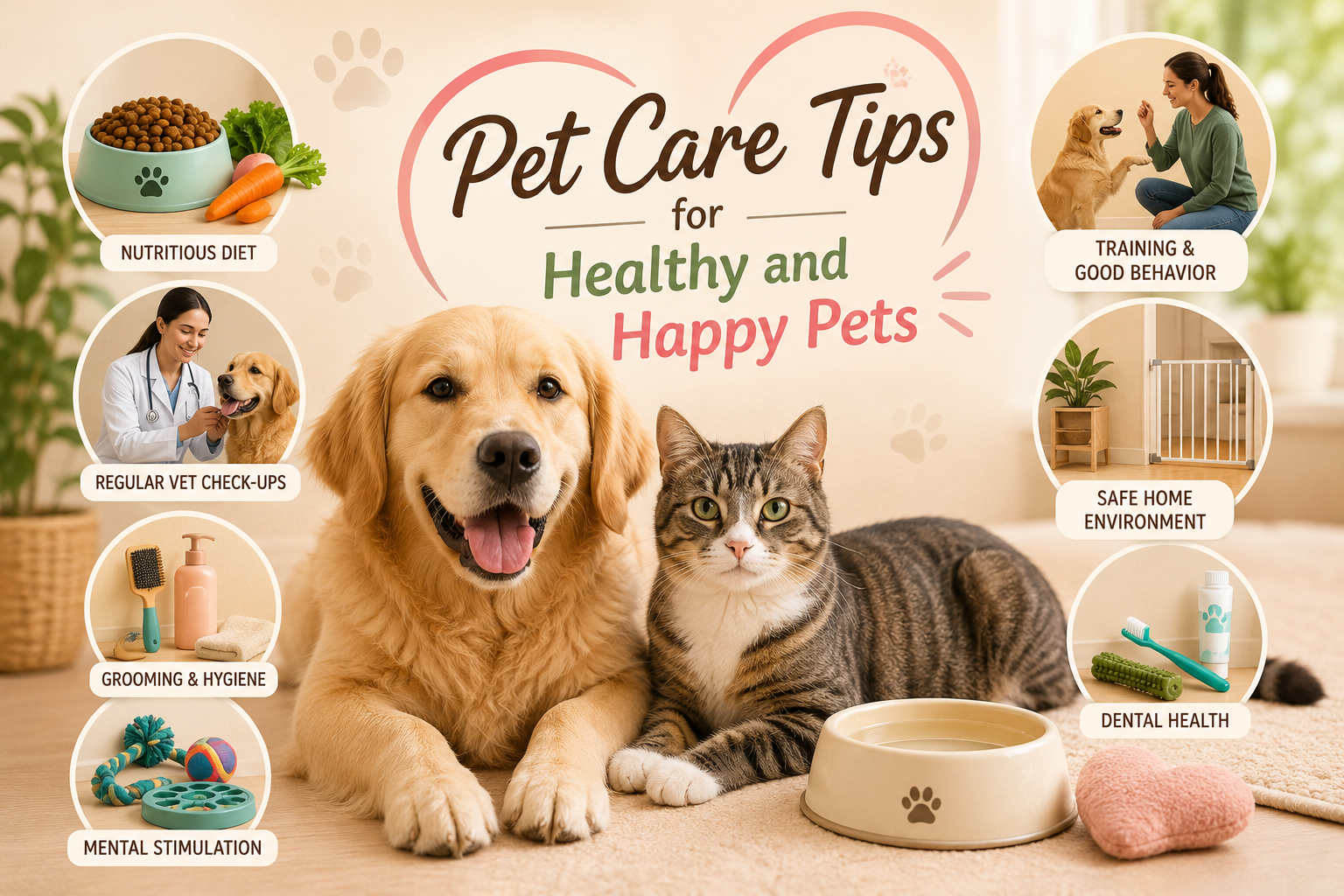
Caring for a pet is a rewarding responsibility, requiring love, attention, Pet Care Tips patience, and knowledge. Whether you have a playful puppy, curious kitten, or adult companion, understanding what they need each day can help them live a healthier and happier life. This Pet Care Guide provides practical information to help pet owners make better decisions about health, nutrition, grooming, training, safety, and day-to-day care.
Good pet care is more than just food and shelter. Pets require regular physical activity, mental stimulation, proper hygiene, a safe environment, and lots of love. With a few simple and consistent pet care tips, you are able to establish a stronger bond with your companion while helping their overall health and well-being.
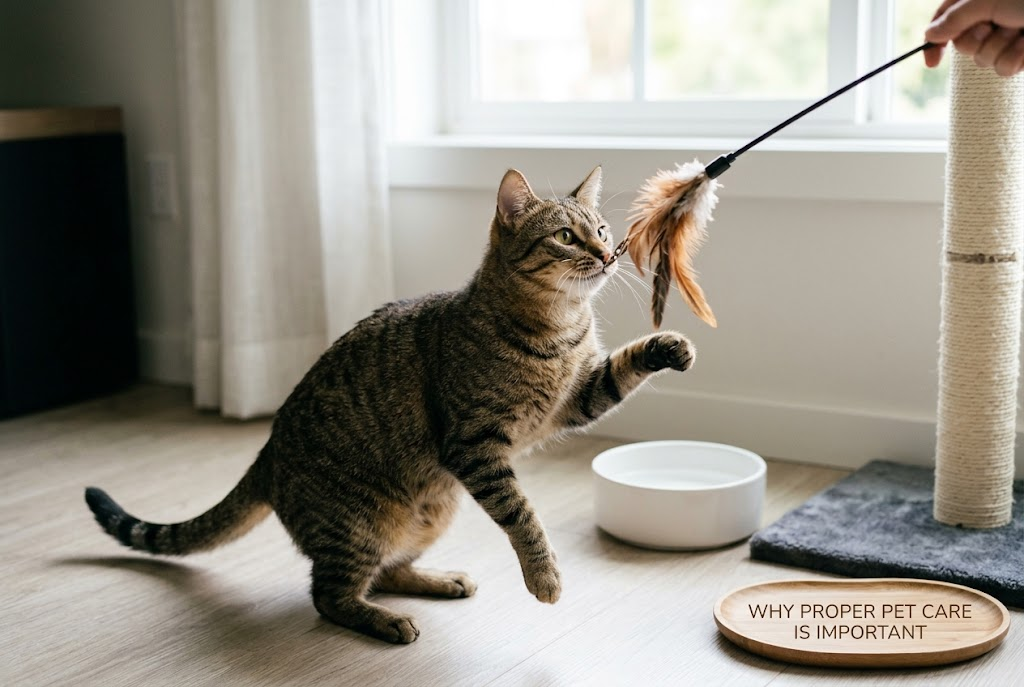
Why Proper Pet Care Is Important
Pets rely on their owners for many of their basic needs. By caring for them properly, they can maintain their physical health, good behavior, and quality of life. Having a regular routine also helps owners to notice changes in eating habits, activity level, behavior, or appearance that may signal a need for veterinary care. Every pet is different, so their needs may differ according to species, breed, age, size, lifestyle, and individual circumstances. The first step in becoming a responsible pet owner is to learn the basics of pet care.
Important Tips for Pet Care
Eat a well-rounded diet
Diet is one of the most important factors in the overall health of your pet. Select foods that are suitable for your pet’s species, age, size, and specific nutritional requirements. Ensure that fresh, clean drinking water is always accessible. Do not give your pets any food that might not be safe for them, even if it is safe for humans. If you’re unsure about your pet’s nutritional needs or portion sizes, consult with your veterinarian.
Regular trips to the vet
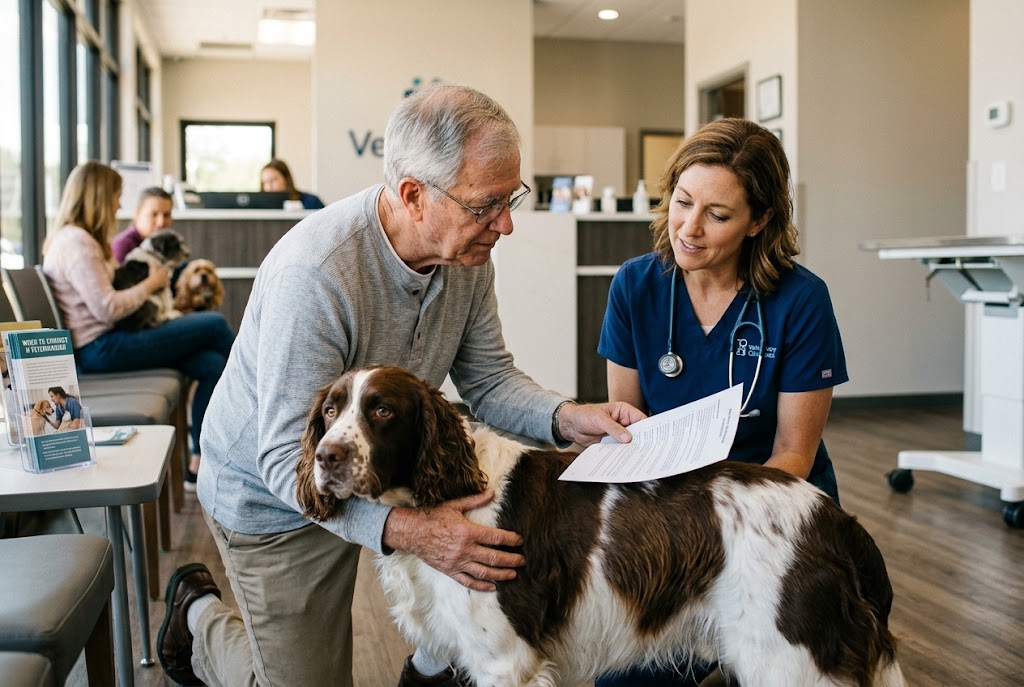
Regular trips to the vet are an essential part of responsible pet parenting. Regular check-ups can help keep track of your pet’s health and spot possible problems early on. Make sure your pet’s vaccinations, preventive treatments, and other health care recommendations are up to date. If you notice any abnormal symptoms or have any other concerns, please seek the advice of a professional veterinarian rather than relying on the information you find online.
Take Good Care of Your Pet
The grooming of pets keeps them clean and comfortable. Pet Care Tips Grooming can involve brushing the coat, bathing as needed, trimming nails, cleaning ears, and, depending on the animal, taking care of dental health. Good grooming gives you a chance to check your pet for unusual lumps, skin irritation, parasites, wounds, or other changes. Different breeds and species have different grooming requirements, so use the method that is appropriate for the pet you have.
Promote Regular Physical Activity
Exercise is good for your pet’s physical and mental health and helps to keep them at a healthy weight. Dogs may enjoy daily walks and play and interactive time, and cats may enjoy climbing areas, toys, and short periods of active play. How much exercise is right will depend on your pet’s age, health, breed, and energy level. Never force an activity if your pet is tired, uncomfortable, or distressed.
Support Training and Good Behavior
Training can improve everyday life for both pets and Pet Care Tips their owners. Consistent training methods are positive and can help pets learn the routine of the household and acquire Pet Care Tips desirable behaviors. “Sit,” “stay,” “come,” and “leave it” are useful commands to teach dogs. Cats can benefit from appropriate routines, environmental enrichment, and positive interactions. You will need to have patience as all pets learn at different speeds.
Keep Your Home Safe
Pet safety should be part of your daily routine. Keep Pet Care Tips dangerous foods, medications, cleaning products, chemicals, and small objects out of your pet’s reach. Windows, balconies, doors, fences, and any other areas where your pet could escape or get hurt. Secure them. Also create a safer home environment by providing your pet with a comfortable sleeping area and a quiet place to relax.
| Pet Care Area | Helpful Tips | Main Benefit |
|---|---|---|
| Balanced Nutrition | Provide suitable food and fresh water every day | Supports overall health |
| Regular Exercise | Give pets daily physical activity | Maintains fitness and healthy weight |
| Routine Checkups | Schedule regular veterinary visits | Helps detect Pet Care Tips health problems early |
| Grooming | Keep the coat nails ears and teeth clean | Supports hygiene and comfort |
| Mental Stimulation | Use toys games and training activities | Reduces boredom and supports mental health |
| Dental Care | Brush teeth and provide suitable dental care | Helps maintain oral health |
| Safe Environment | Keep harmful items and unsafe areas away | Reduces accidents and injuries |
| Healthy Weight | Monitor food portions and activity levels | Helps prevent weight-related problems |
| Parasite Prevention | Follow appropriate flea tick and parasite control | Protects pets from common parasites |
| Loving Attention | Spend quality time Pet Care Tips with your pet | Builds trust and emotional well-being |
Mentally stimulate your pet Pets need more than just physical exercise
Mental stimulation can help reduce boredom and encourage natural behaviors. Enrichment can take many forms, including interactive toys, puzzle feeders, training, play and safe exploration. Rotate toys regularly to keep things fresh. Introduce new experiences gradually.
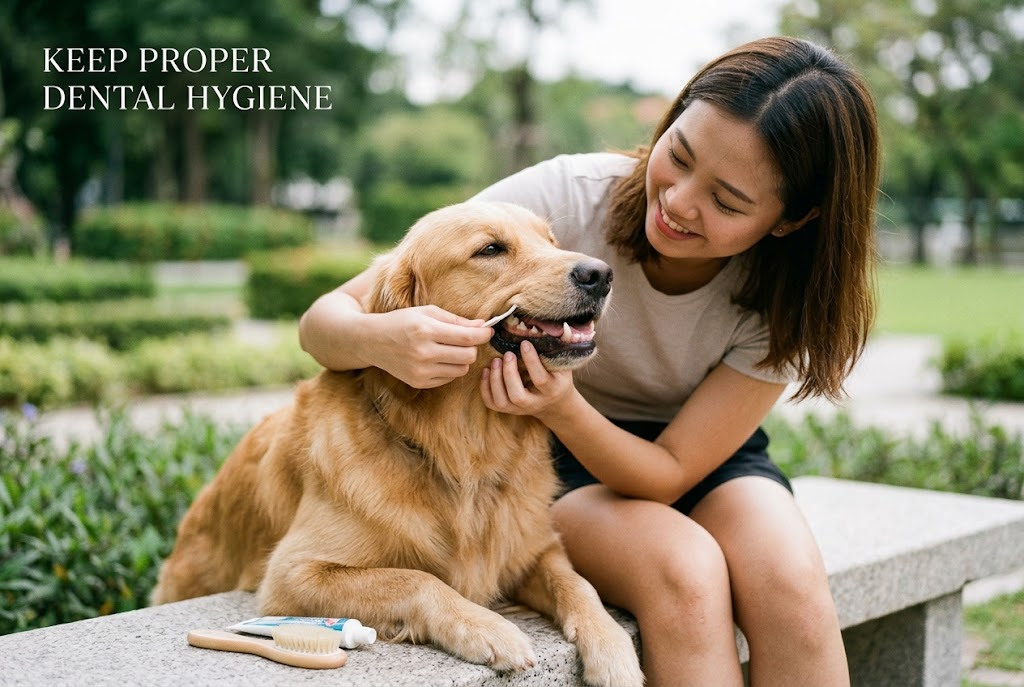
Keep Proper Dental Hygiene
Oral hygiene can be an important part of overall pet care, but dental care is often overlooked. Depending on the animal, regular brushing with pet-safe dental products and professional dental care may be recommended. If you notice persistent bad breath, difficulty eating, swollen gums, or any other changes around your pet’s mouth, consult a veterinarian.
Care of Puppies and Kittens
Young pets need more attention because they are still growing and learning about their surroundings. Puppies and kittens need age-appropriate nutrition, veterinary care, safe socialization, training, rest, and supervision. Make your house pet-proof before bringing a young animal home. Keep electrical cords, small objects, toxic substances, and inappropriate foods out of reach of curious puppies and kittens. A consistent schedule can also help young pets adjust to their new environment. Provide them with lots of positive interaction and give them plenty of time to sleep and rest.
Understanding Your Pet’s Behavior
Understanding your pet’s body language Pet Care Tips and behavior can help strengthen your bond. Sometimes changes in appetite, energy, sleeping habits, social behavior, or bathroom routines can be a sign that something is not right. Don’t ever punish a pet just because you don’t understand a certain behavior. Maybe they are afraid, bored, or stressed, or they need something or something else in their environment, which is causing it. If there are ongoing or troubling changes in behavior, advice from a veterinarian or qualified animal behavior professional may be needed. Establish a Regular Daily Routine Routine can be beneficial as it pertains to pet ownership. Try to keep feeding, exercise, play, grooming, and rest on a regular schedule.
A simple daily checklist could look like this:
- Water clean and food fresh* Play and exercise
- Litter box cleaning, bathroom breaks
- Groom when needed
- Intellectual engagement
- Positive engagement and affection
- A clean and safe place to sleep.
Consistency is what keeps owners organized and pets in a predictable environment.
When to Contact a Veterinarian
Online pet care tips are a helpful source of Pet Care Tips general educational information but should not substitute for professional veterinary care. If your pet has serious symptoms, sudden changes in behavior, has been injured, is having difficulty breathing, is throwing up or having diarrhea repeatedly, has lost its appetite, seems unusually weak, or anything else that concerns you, call your veterinarian. If you suspect an emergency, please seek veterinary help immediately.
Conclusion
The first rule of being a responsible pet owner is to know what your companion needs Pet Care Tips and to give it to them consistently. The little things you do every day can make a big difference . . . from feeding a nutritious diet and regular physical activity to grooming, training, safety, and veterinary care. The Pet Care Tips is designed to provide pet parents information that is useful and accessible all in one place. With the help of reliable pet care tips and a little thought, you can become a more confident pet owner and help your companion enjoy a healthier, safer, and happier life.
FAQs
What are some of the main tips for caring for pets to keep them healthy and happy?
Cover the basics, like giving enough nutrition, a constant supply of fresh water, regular exercise and sunshine, veterinary care grooming, and mental stimulation. No special training Just those basic habits, these run of the mill routines can help your pet both physically and emotionally.
How often should pets need to visit the vet?
So generally, all pets need yearly vet visits. Based on your veterinarian recommendations puppies, kittens, senior pets and animals with chronic health issues may need to be seen more frequently.
How do I exercise my pet at home?
Pet owners can ensure that their pets remain physiologically energetic by scheduling every day walks, interactive toys, coaching classes and supervised play. Make your activities suited to the Breed Size Age And Energy level of Your Pet
Have you ever heard of the fact that a balanced diet is vital in case your ideal cats or dogs are pets?
A balanced diet provides the nutrients your body needs for healthy growth, energy, immune function[5], and staying within normal range throughout most of its functions.
How do I keep my pet happy and entertained?
Provide training for interactive toys that are safe to explore and take infrequent social contact. Other than that, keeping your pet also has an outstanding way to take captive interest boredom.