

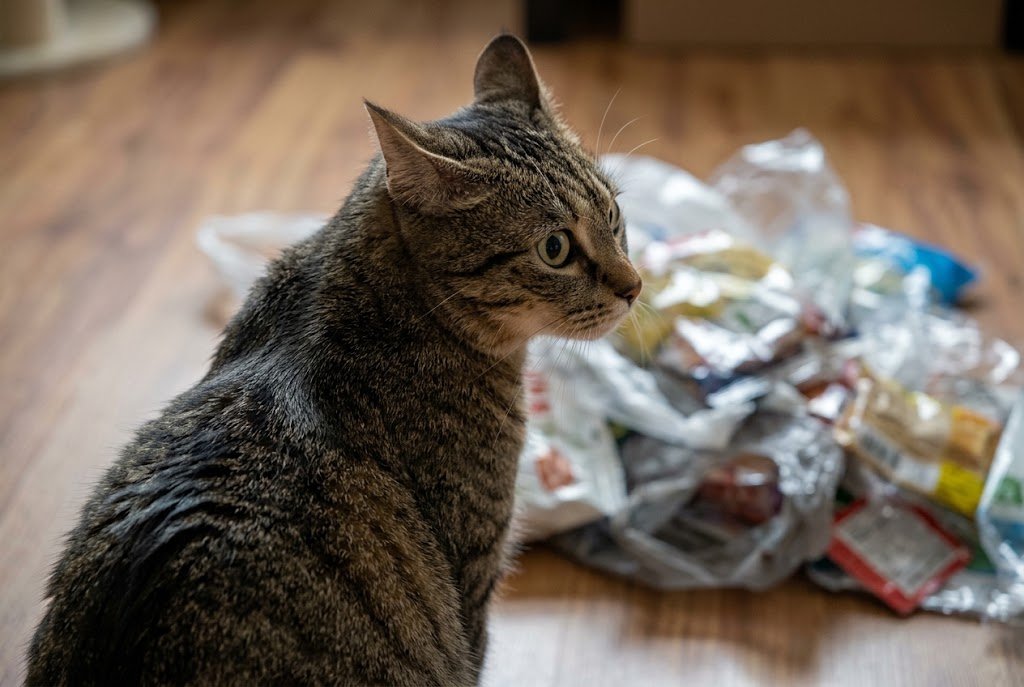
Have you ever seen your cat’s back ripple or twitch at the mere sound of crinkling plastic? It is quite a strange thing to witness cat’s back ripple and twitch .Your cat will sometimes arch their back at an unnatural angle. This causes a wave of their skin to appear to go down their back. They may also get all up in a fuss and turn their head towards the direction of the noise. In most situations this behavior is just a display of their highly-kept awareness. Cats have very keen hearing and fast reflexes, so a crinkling sound can draw their attention in a blink. Their body could react before their mind registers what has happened. A twitching back does not always mean something is up. Sometimes cats have little tell tale reactions to things that make them excited or curious. Knowing the situations can help you see the behaviors in your cat which may be normal or abnormal.
Sensitive Cat Hearing
This ability is useful when they are watching prey or inspecting their surroundings. The crinkling plastic can create a sudden series of sharp sounds. Their ears may move forward or sideways. Their eyes may become wider as they focus on the source. A back twitch can occur during this alert state.
The Skin Reflex
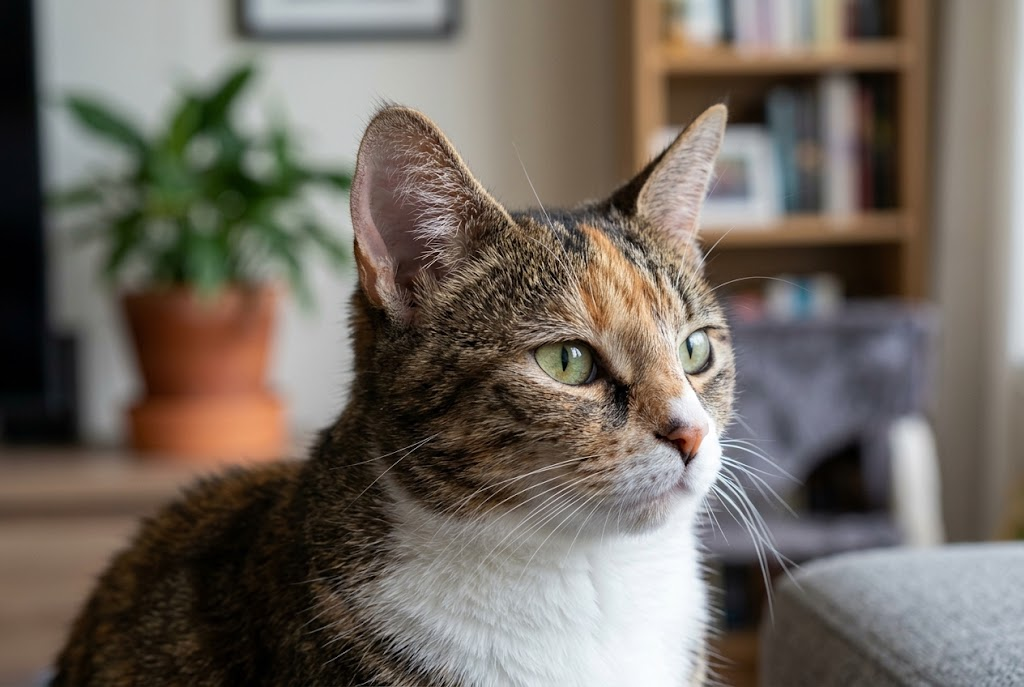
The skin along a cat’s back can move in a noticeable way. This is because small muscles under the skin can contract quickly. You may see a wave travel across the back when your cat becomes alert.This movement is often referred to as a skin twitch or skin ripple. It can occur during excitement or sudden stimulation. A surprising sound can cause these muscles to react without your cat making a conscious choice. The response is similar to other quick reflexes in animals. It can appear and disappear within seconds. If your cat returns to normal after the sound stops then the reaction is part of normal body language.
Sound And Excitement
The crinkling plastic may create excitement by reminding your cat of the sounds of moving objects. A small animal moving through leaves can produce quick and irregular sounds. Plastic can recreate a similar pattern. Your cat may not understand what is making the noise. However, this sound can activate their hunting instincts. They may become focused on the area where the sound comes from. Some cats may approach the plastic with caution. Others may run toward it
Hunting Instincts
- Natural Hunting Behavior
A crinkling plastic bag or wrapper can create a sharp sound that quickly captures their attention. Your cat may become focused on the noise and watch the object closely. This is part of their natural curiosity and alertness.
- Body Language and Alertness
Your cat may lower their body and become very still after hearing the crinkling sound. They may stare at the object while slowly moving their tail. Their back can also twitch as their muscles become more alert. These movements suggest that your cat is preparing to observe or react to something interesting. The reaction does not always mean that your cat feels frightened or threatened.
- Signs To Watch
A brief back ripple after hearing plastic is usually not concerning. You can watch your cat’s overall behavior to understand the reaction. A calm cat will usually return to normal once the sound disappears.
Look for these common signs:
- Ears moving towards the sound can signal focused attention.
- Wide eyes can appear during sudden excitement.
- A moving tail can suggest increased interest or stimulation.
- A lowered body can imply hunting behavior.
- A quick skin ripple can occur during alertness.
- Returning to normal soon after can imply a temporary reaction.
These signs should always be taken into account. A small movement does not explain everything about your cat’s emotional state. Their posture and behavior can provide more useful information.
Stress And Fear
Their tail may become tucked close to the body. If your cat exhibits these signs then reduce the noise. Give them space and allow them to move themselves somewhere quiet. Avoid forcing them to investigate the plastic.
Sure. Here is a related table for the topic:
| Aspect | Details |
| Main Topic | Why Does My Cat’s Back Ripple and Twitch When They Hear Crinkling Plastic? |
| Possible Cause | The sound may trigger your cat’s natural alert or hunting response. |
| Back Rippling | Skin movement can happen when muscles contract in response to excitement or stimulation. |
| Sensitivity to Sound | Cats have highly sensitive hearing and may react strongly to unusual sounds. |
| Predatory Response | Crinkling plastic can resemble sounds associated with small prey or movement. |
| Excitement or Stress | Some cats may twitch when they become excited curious or slightly anxious. |
| Feline Hyperesthesia | Frequent or intense skin rippling may sometimes be linked with feline hyperesthesia syndrome. |
| When to Monitor | Watch for excessive twitching scratching biting vocalization or sudden behavior changes. |
| When to Contact a Vet | Veterinary advice is appropriate if the twitching becomes frequent painful or happens without an obvious trigger. |
| Helpful Approach | Observe when the reaction occurs and reduce stressful sounds if your cat seems uncomfortable. |
Individual Reactions
Every cat has a different personality One cat may become excited when hearing plastic while another may ignore it completely. Some cats are more sensitive to sudden sounds. Age plays a role as well. A cat that had a frightening experience with a loud object may react more strongly to similar sounds. This is why it is useful to observe your cat rather than assume every twitch has the same meaning.

When It Seems Normal
A normal reaction is usually short and associated to a clear trigger. Your cat may hear the plastic and suddenly become alert. Their back may ripple for a moment. They may investigate the sound and continue on with their usual activity. Healthy body language often returns quickly after the noise stops. Your cat may start grooming or walking around again. They may also settle down in their favorite resting place. You can keep track of how often the behavior occurs. Notice what happens before and after the twitch. This can help you understand whether the movement is related to sounds or other situations.
When To Seek Help
A back twitch can sometimes occur due to reasons that are unrelated to sound. Repeated skin movement may occur when a cat has an irritation or discomfort. Fleas can cause itching and may make a cat react strongly to sensations along the back. Other issues can also cause unusual skin sensitivitySudden behavior changes can provide you useful information about your cat’s wellbeing.
Safe Plastic Use
Cats can become interested in plastic because of their sound. However, plastic bags and wrappers can create safety issues. A cat may chew on plastic or become trapped inside a bag. Many cat toys provide interesting sounds without exposing your pet to loose packaging. This gives your cat a safer way to enjoy sensory play.
Helping Your Cat
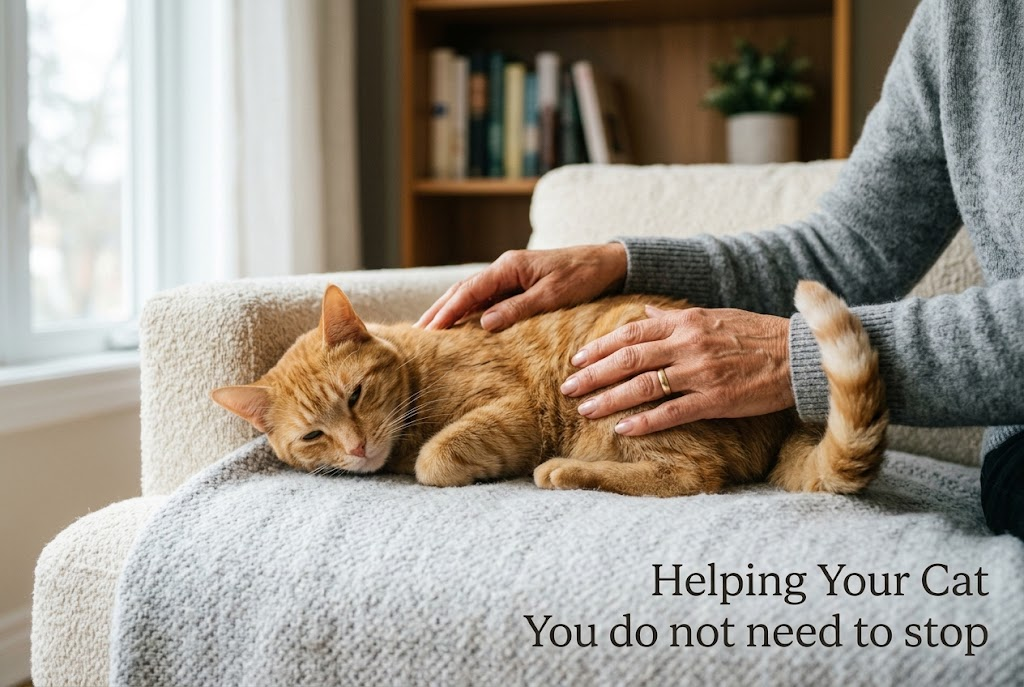
You do not need to stop every back twitch occurring after a sound. If your cat seems relaxed then the response may simply be part of normal behavior. You can observe the reaction without interrupting your pet. If the sound causes fear then create a calm environment. Your cat may become more comfortable with familiar household sounds over time. However, every pet has a different comfort level. Respecting their response can help build trust.
Conclusion
A cat’s back may ripple or twitch after hearing crinkling plastic because the sound triggers alertness. Sensitive hearing can allow cats to notice small and sudden noises. Their nervous system can react quickly when something captures their attention. The movement may also be associated with curiosity or hunting instincts. In other situations it can signal fear or stress. Looking at the entire body language of your cat can help you understand the reason. A brief reaction that disappears quickly is often nothing unusual .Repeated twitching or signs of discomfort need to be looked into. By observing closely you can learn what noises excite your cat and what put them off.
FA Q
Why does my cat’s back twitch when plastic crinkles?
Crinkling plastic can create a sharp and unfamiliar sound. Your cat may become alert because their hearing is very sensitive. The sudden stimulation can cause the skin and muscles along the back to twitch.
Is a twitching back normal for cats?
A brief twitch can be normal when it occurs after a sudden sound or exciting event. The behavior is more reassuring when your cat quickly returns to normal. Frequent twitching without an obvious trigger may need professional attention.
Can crinkling plastic scare my cat?
Yes. Some cats enjoy unusual sounds while others find them frightening. A fearful response may include hiding or moving away.
Should I use plastic bags to play with my cat?
Better not let him play with plastic bags on his own. It may chew plastic or get inside the bag. Choose cat toys for safe play.
When should I contact a veterinarian?
If the cat often twitches for no reason, the sooner it is taken to the vet, the better. Professional help is also needed when the cat itches or hurts. Pay attention to changes in your cat’s eating habits or usual behavior.





What Is e DIY Floor Grips for a Senior Dog With Arthritis?
[…] Why Does My Cat’s Back Ripple and Twitch When They Hear Crinkling Plastic? […]