
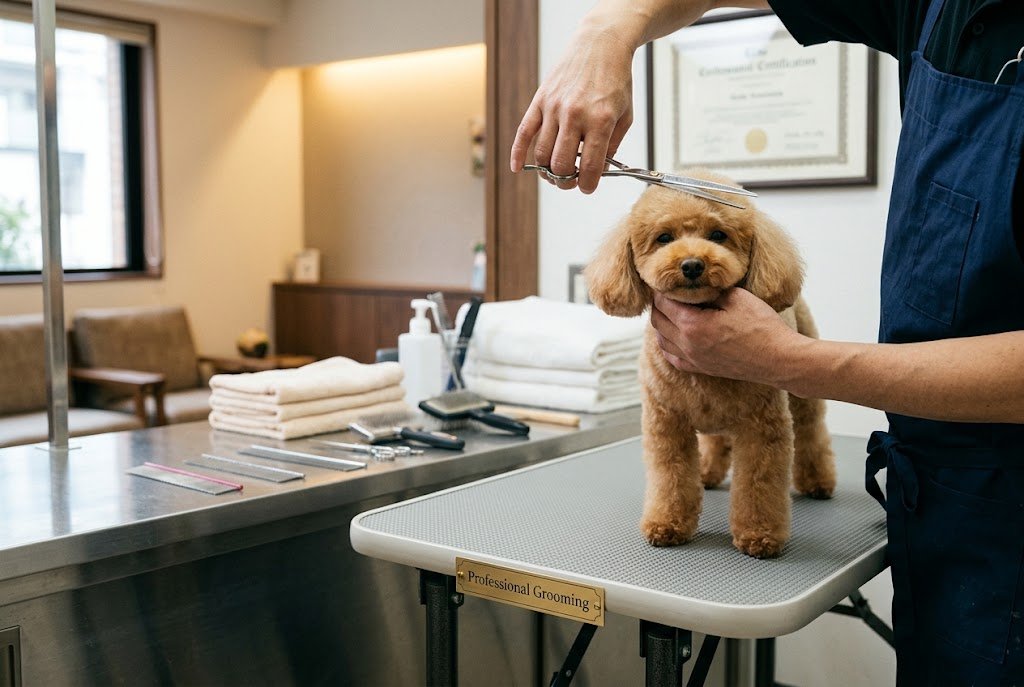
Doodle puppies have a soft, fluffy, and cute coat. In fact, for the first couple of months you may Prevent Severe find that grooming feels easy with all that soft puppy coat. But this can rapidly change as the adult coat begins to grow through it. This is one of the most important stages of grooming a Doodle for life. The textures of the puppy coat and adult coat may be different. Adult hair then starts to grow in despite the fact that soft puppy hair remains. Which twist together, clumping up into little knots. If you ignore those tangles, they can soon tighten up into mats very near the skin.
Suffice it to say, I’ve seen a lot of new Doodle owners learn how rapid this change can occur. A puppy will look beautifully combed one day, then have hard tangles a few days after. The thing is, the problem often is underneath that fluffy exterior. It is infinitely easier to prevent severe matting than it ever will be to remove an established mat. Consistency, tools, technique, and professional grooming as needed are the keys. You must additionally recognize which areas of the coat mat are more probable to be used. It explains how to get through the Doodle coat changeover in a safe and realistic way. Includes brushing, grooming tools, bathing, professional grooming, common mistakes to avoid, and easy steps to keep your coat in health.
Understanding the Coat Change
The change from puppy fur to adult fur is a natural, everyday part of growing up. When this happens, it does differ from dog to dog and, of course, from doodle to doodle. It is impacted by factors including genetics, coat type, and care, as well as the parent breeds. At this point, straggly puppy hairs may become entangled in the emerging new adult coat. The varying textures may rub together and tangle. These areas can become matted without a clear external indication. In a straight coat, problems can remain undetected ineffectively until the tangles become quite strong.
Another frequent mistake is the brushing of the surface that is visible. While tangled hair hides beneath, a brush may draw across the top. This gives the misleading presentation that every inch of your coat is well preserved. A good grooming regimen should penetrate the coat as opposed to just flattening its outer surface. Which means they keep the hair separated from the skin all the way to the ends. The second important point is that different Doodles can have incredibly diverse coats. More curly-coated dogs usually require more high maintenance than distinctly wavy-coated canines. Grooming this is by far the 1 question I get about Doodles.
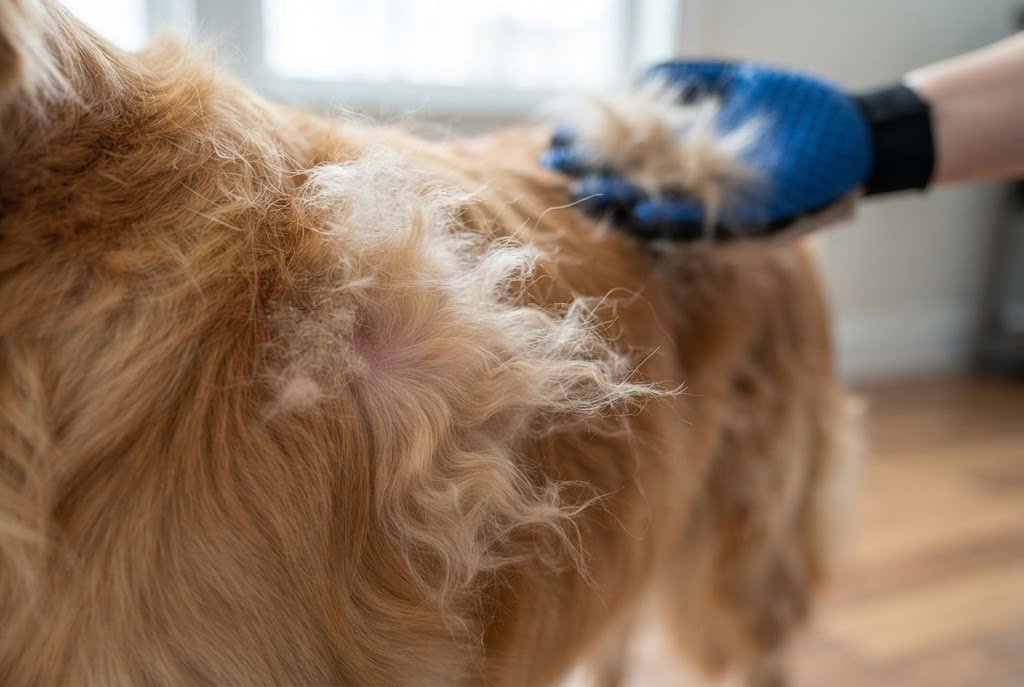
Recognizing Early Mats
Much easier to deal with a small tangle than a tight mat. If you learn to identify them early on, you can prevent your puppy from many frustrating grooming sessions. Brush lightly before brushing in the upper portion of your coat. Explore areas where the hair starts to get heavier. Examine the space where you stop moving your fingers. Push a metal comb through the strands of hair; this will also help to uncover hidden tangles. Your time to shine: stick the comb into your sectioned hair and see how easily (or not) it moves through. Never forcibly disentangle a dense knot with the comb.
Watch out for these early warning signs:
- The comb does not reach the skin.
- Thicker Hair In Those Regions
- There are tiny knots that can form at the back of the ears.
- Your pup shies away from brushing some areas.
- The coat appears tangle-post-sleep.
- Knots grow faster in moist areas.
Preventing Severe Matting
Prevent severe matting by implementing a grooming routine prior to the coat transition becoming initially challenging. If the puppy is waiting until it looks tangly, then the problem has begun.The brush frequency is determined by coat type and length. A lot of Doodles require a lot more brushing through the coat transition, particularly when their grown-up coat begins to emerge.
One easy, quick groom per day is easier than a longer session after several days of neglect. Begin just above the skin, then move on progressively to the ends.The comb serves as a convenient last check. When it glides seamlessly from the skin to the ends, that’s a well-brushed section.
Choosing Grooming Tools
The right tools make coat maintenance a whole lot easier. There’s no need for an expansive arsenal of beauty tools. Some basic tools, which are sufficient for almost all the common maintenance. Scissors should never be put anywhere near tight mats against the skin. The loose skin of a dog can easily get entrapped in a mat.
Here is a basic grooming kit you can have little:
- A suitable slicker brush.
- A stainless-steel grooming comb.
- A gentle detangling product.
- Grooming towels.
- Professional grooming support when needed.
Bathing Carefully
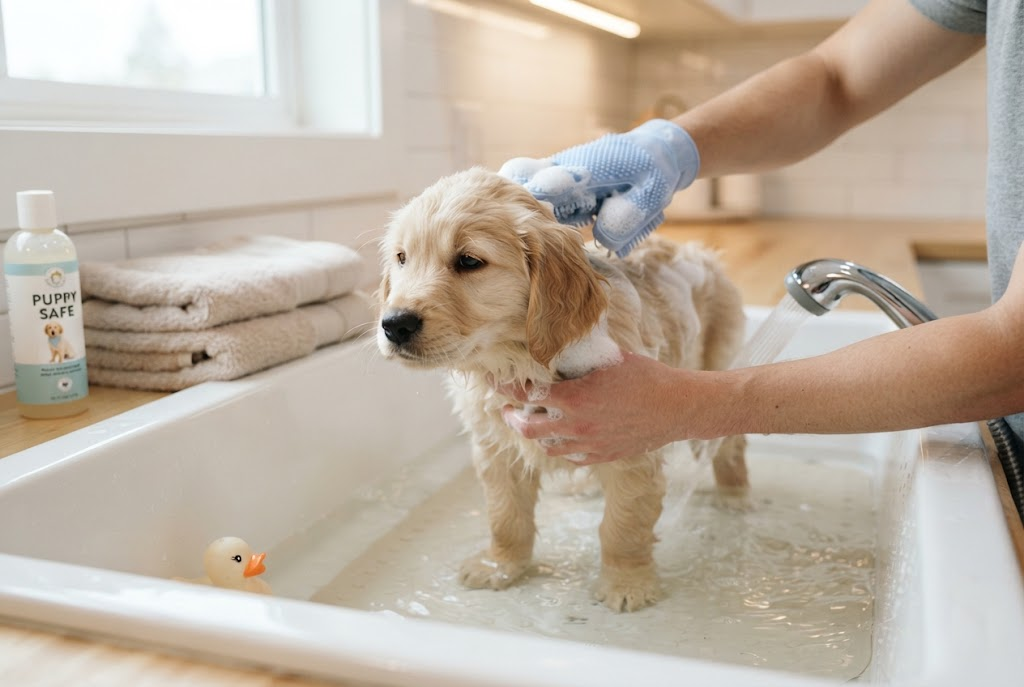
The key here is preparing the coat before getting it wet. Very important: use a product that is specifically formulated for dogs instead of any stuff for humans. The ingredients in human shampoos can vary quite a bit and may be too strong for a dog’s skin.
Using a good conditioner will help you brush after bathing. However, the product use should be as per instruction and properly rinsed. Drying is another important step. A curly coat left damp too long can tangle. The coat can be dried naturally with as low a rotative speed as possible, which dries while separating the coat better.
Grooming Schedule
Maintaining a routine grooming schedule is one of the simplest approaches to avoid major coat mishaps. Since the fine puppy coat becomes more difficult to care for, the schedule should be adjusted accordingly.The second stage, where they are still very much a puppy, can be used simply to get them used to being groomed. Gently touch the paws, ears, face, and body to make your puppy familiar with handling.
When the adult coat comes in, brushing typically requires more effort. There may be a bigger need for professional grooming appointments as well. The proper schedule varies according to coat kind, length, and lifestyle, as well as the speed by which a dog’s coat grows. A Doodle that enjoys spending long hours outside could require more upkeep compared to a shorter indoor-coated canine. The following guide provides a simple comparison:
| Coat Stage | Main Concern | Grooming Focus |
| Young Puppy Coat | Building grooming habits | Gentle brushing and handling |
| Early Transition | Small hidden tangles | Frequent brushing and combing |
| Active Transition | Severe matting risk | Regular full-coat maintenance |
| Adult Coat | Ongoing tangling | Consistent brushing and grooming |
| Long Adult Coat | Dense mats | Frequent maintenance and professional trims |
Daily Grooming Habits
A few little habits are able to have a major impact during the coat transition. You cannot waste more than an hour daily grooming your dog. Walks are best processed in shorter, calmer stints for both the dog and owner. Begin with small zones and reinforce relaxation. When your puppy gets uncomfortable, make it a short break instead of making grooming a fight. Checking the coat after daily routine activities is one thing that beginners often neglect. Tangles can also stem from wearing a harness, going outside to run or play, and swimming or sleeping.The collar and harness areas, in particular. Knots can develop quickly as a result of closing friction.
Common Mistakes
Most of the time, really bad matting issues start out with small grooming errors. The biggest issue is just going too long between brushes. Tangles are very well hidden by Doodle coats. Another common misconception is simply skimming the surface. Because owners see a shiny outer coat, they may assume that everything underneath is fine. The check you have after brushing and by using a comb is far better. Others utilize heavy-handed techniques when dislodging knots from fur. Common grooming errors: 1) Pulling hard can hurt the dog and teach them that grooming is a punishment And removing severe mats without professional help can also create avoidable risks. Because dense mats can lie close against the skin, it is almost impossible to tell where hair ends and skin starts.
Avoid these common problems:
- Having pauses until the clear mats get overly bad
- Brushing only the outer coat.
- Using excessive pressure while brushing.
- Skipping the combing step.
- Bathing heavily matted hair first.
Professional Grooming
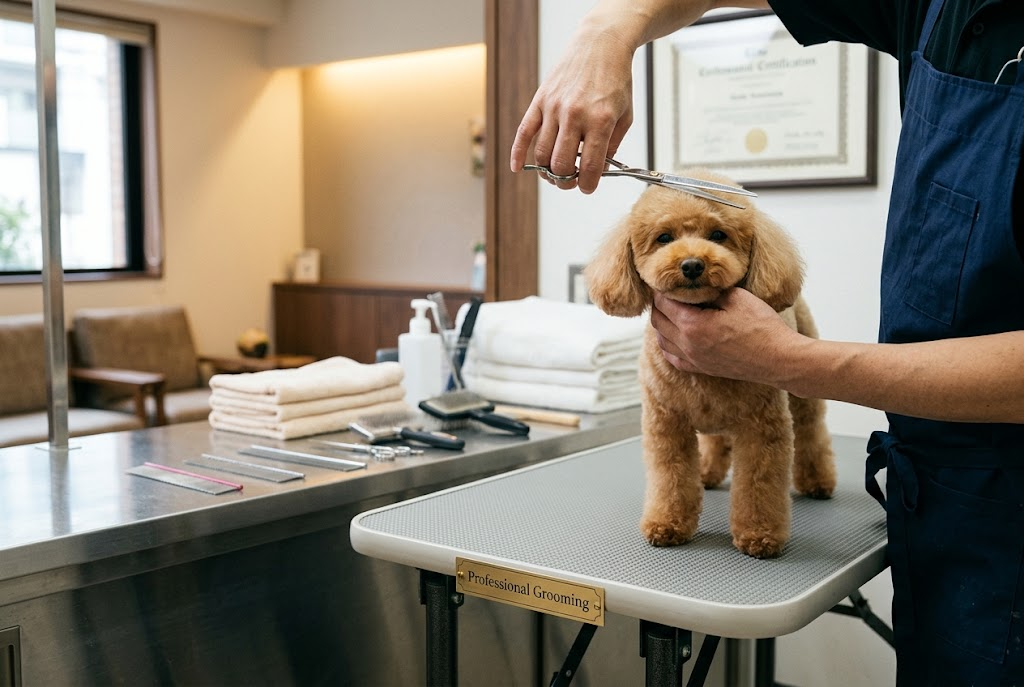
During the Doodle coat change, professional grooming can be particularly beneficial. A groomer will Prevent Severe examine the coat, discover any mats underneath the surface, and recommend a longer style.Regular appointments with professionals can make housekeeping more convenient too. A manageable haircut also helps to cut down the amount of daily brushing. Long hair, not always: the goal is to keep as little as possible the aim should never be to have it so long that you can’t keep everything shorter. It will be a lot easier with a straightforward cut that fits your canine’s lifestyle If severe matting occurs, have a professional groomer examine the condition of your Doodle. They can tell if the coat is brush able or better off getting clipped Fewer Hair Strands Is Not a Fail In some cases, it is less troublesome for the dog to get rid of heavily matted hair. This will help determine how future grooming habits should be tailored to keep the problem at bay.
Final Thoughts
The most crucial transformation in a Doodle’s grooming journey is the transition from puppy to adult coat. That can take quite a long time, and mats seem to appear overnight as the younger, softer puppy hair is replaced by an adult coat. This procedure is equally straightforward and accustomed. Brush frequently, go through the coat in small areas, and test with a comb. It is especially important in areas of the ears, legs, around a collar, chest, and tail. Do not wait for a big round before moving. Remember, those meaty, dense knots closer to the skin are much easier to deal with than small tangles. While this support may be valuable when it comes to keeping the coat in manageable condition, professional grooming can provide significant help with this as well. Above all, incorporate grooming into your Doodle’s daily life. Introduce brushing as short and calm sessions so that your pup will learn there is nothing scary about it. By using the proper tools along with keeping up on basic grooming and dealing with matting as soon as you notice it, this adult coat transition can definitely be less of a hassle.
FAQs
When going through the coat transition, how often should I brush a Doodle?
During this period, most Doodles require a lot of brushing. This varies according to the type and length of coat, as well as how quickly tangles form. Look for the coat from time to time, and computer program your timetable as essential.
Why are my dogs matted suddenly?
Adult hair can grow up through the softer puppy coat, causing additional tangling. Collars, ears, legs, and harnesses can also rub mats onto mats more quickly.
Can I secure a Vary Doodle mat myself?
You can deal with small tangles at home if you take your time. Such dense mats close to the skin should be evaluated by a competent groomer. Do not attempt pulling or cutting tight mats without the proper experience.
Can I Bathe My Doodle Before I Remove Mats?
It is usually best to deal with mats before bathing. Water can tighten and cause tangled hair, making the coat more difficult to manage afterwards.
When Should My Doodle Get Groomed (by a Professional)?
Grooming will become relevant when the adult coat starts to come in and professional grooming becomes very handy. Your dog’s coat, haircut, lifestyle, and home grooming practice determine the perfect schedule.



Why Does My Golden RetrieverImmediately After Water?
[…] How to Prevent Severe Matting When a Doodle Breed Transitions From a Puppy Coat to an Adult Coat […]