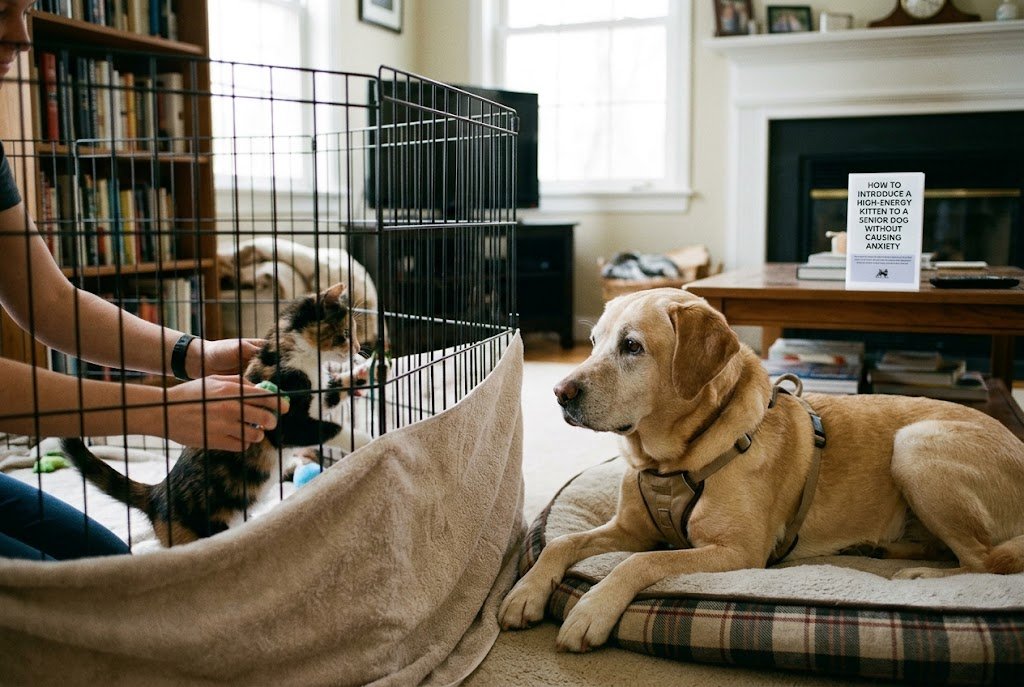
The meeting of a high-energy kitten with a senior dog requires careful introduction and much patient work. Kittens are likely to want to run around the room and play all day long. Senior dogs may want restful environments and spend long periods of time resting. In the end different activity levels of the animals could lead to the first meeting becoming a stressful event.
A peaceful initiation can let both of them feel secure. The aim here should not be to get them to be best friends in a very short span of time. The main thing is that you will be teaching the animals to get to know and accept each other; even if initially they will not like each other at all, there is no fear and no pressure. Taking one baby step at a time and keeping the boundaries clear, you can make both the pets comfortable with each other in the environment of their shared space.
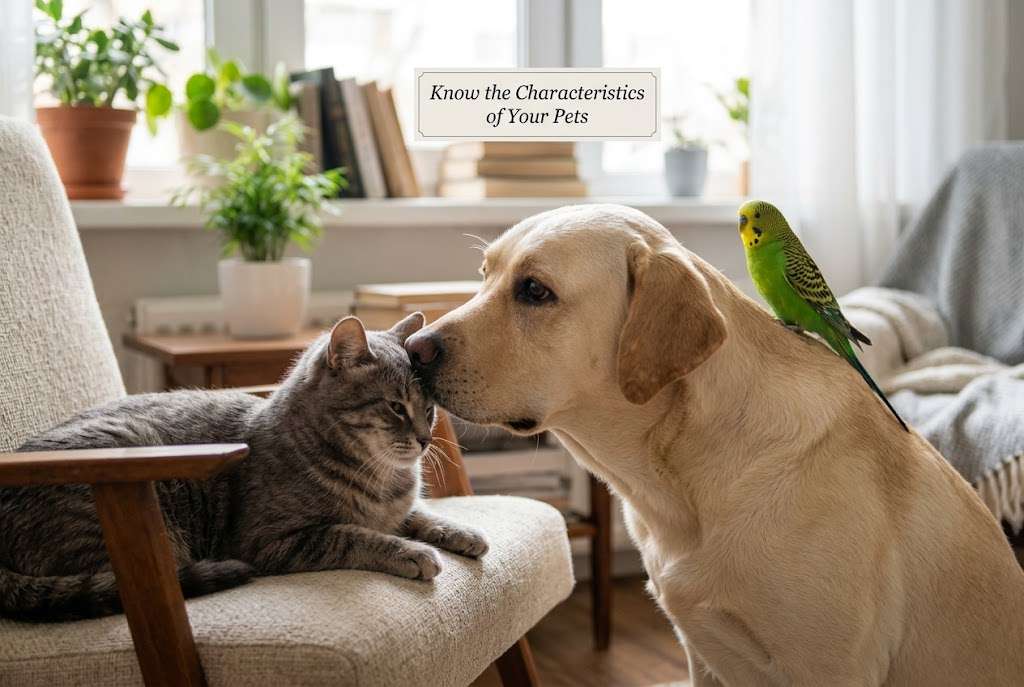
Know the Characteristics of Your Pets
Get to know your pets before introducing them. Senior dogs have their own routines; they get used to sleeping in certain beds and having quiet rest time in certain rooms. A kitten will have such routines as playing very frequently and exploring surroundings. If one is a senior dog who can feel that his energy is not as high as before, one may get tired quite quickly. Many older dogs also have a decline in their hearing or ability of vision, which combined will be the reason why a sudden move towards them from a kitten will be perceived as rather unpleasant.
This is the reason why you should plan the time for meeting your dog or cat with a very young kitten or, on the contrary, a very senior animal carefully. Be sure to notice how your dog reacts to meeting with other animals. You will get to know your pet better by his body language, a direct stare, rigid posture, etc. Growling or retreating to a safe area are also clear indicators of discomfort. You should never dismiss these signals. Kat has the same right in this situation as in the first meeting, and she should be taken into account as well. A kitty that is always hiding away is likely to be a very nervous one, and such a kitty definitely needs more time. A self-assured cat may come too fast for a senior dog. Once both animals’ temperaments are well known to you, it is the easiest way to choose a safe plan for the first introduction.
First, create High-Energy Kitten
A safe environment to let them meet each other into begin with a successful first meeting, it is a good idea to set up a couple of separate areas for the animals, one for the dog and another for the cat. The puppy should have its own area that it is allowed to come and go at will. The space should have everything that it needs, including food and beds for the cat to rest without being bothered.
Similarly, your older
dog would be comfortable in its own bed, so it wouldn’t need to compete for it. This is a big help when the animal is getting over the change in the family setting because it has its own territory to retreat to and feel secure. Neither of the animals should be made to think that their territory has been taken over. It is a good idea to use the gate or any other sort of barriers that are safe to separate the animals. When a visual contact and sniffing session happen, the animals are not close enough to fight, and that is what you have to work towards. In order to make a positive meeting, it is very beneficial to start with the use of scents only because that is how they first identify and communicate. First of all, you introduce them by letting each one be aware of the other through scents. This is especially so before the first visual meeting.
Conversely, your older pet is allowed to investigate
A cloth that smells like the kitten and, in this way, will be familiar with it. However, if one of them shows discomfort and reluctance towards this, you shouldn’t keep on pushing them.Allow both of the animals to get to the smell on their own. You can help them to associate it with a positive and safe situation with some calm praise and maybe a treat.
Use a Barrier
The next step is often meeting one another through a transparent or physically secure enclosure that does not allow contact. To help with this, one can use a baby gate or a cage, etc.The animals will be able to see each other and get to know one another through visual contact only, as there will be no physical contact. The first visual interaction can be very short and gradual. If the dog stays calm, then you can end the meeting on a really nice note.
On the other hand, if either pet shows signs of stress, then increase the distance between the pets. Wait for them to calm down before trying again. It is very likely that the kitten will get really pumped when it sees the dog. That kind of eagerness would be pretty much standard with such curious young animals. Take its toy away and bring a different one so it will forget about chasing the dog.
| Introduction Stage | What to Do | Why It Helps |
| Prepare Separate Spaces | Give the kitten and senior dog separate areas at first. | It helps both pets feel safe and comfortable. |
| Start With Scent | Exchange bedding or toys between the pets before face-to-face meetings. | Familiar scents can make the first meeting less stressful. |
| Use Short Meetings | Keep early interactions brief and calm. | Short sessions can prevent anxiety and overstimulation. |
| Keep the Dog Calm | Reward relaxed behavior from the senior dog during introductions. | Positive reinforcement can create a pleasant association with the kitten. |
| Control Kitten Energy | Play with the kitten before introductions so excess energy is reduced. | A calmer kitten is less likely to overwhelm the senior dog. |
| Supervise Every Meeting | Stay nearby and watch their body language carefully. | Supervision helps prevent unwanted chasing or stressful interactions. |
| Provide Escape Areas | Make sure the dog and kitten can move away from each other. | Having a safe retreat gives both pets more control over the interaction. |
| Increase Time Gradually | Extend their interaction time when both animals remain comfortable. | Gradual progress can support a smoother relationship. |
Help the Kitten Channel with its energy.
They may also play with dog tails or ears. A great idea is not to make pets meet until a kitten is well tired out. It should have a good exercise session, which will include a variety of games such as hunting for the cat wand toy or playing with the cat with a laser pointer, etc., which is safe and fun. In this way the introduction will proceed a lot quicker and a lot calmer, as the kitten will not have so much energy left. Another very useful thing is the level of mental activity provided. For example, a simple puzzle where the kitten has to figure out how to get the food without help or an ordinary game will really occupy the kitten and keep it interested for a few minutes at least.
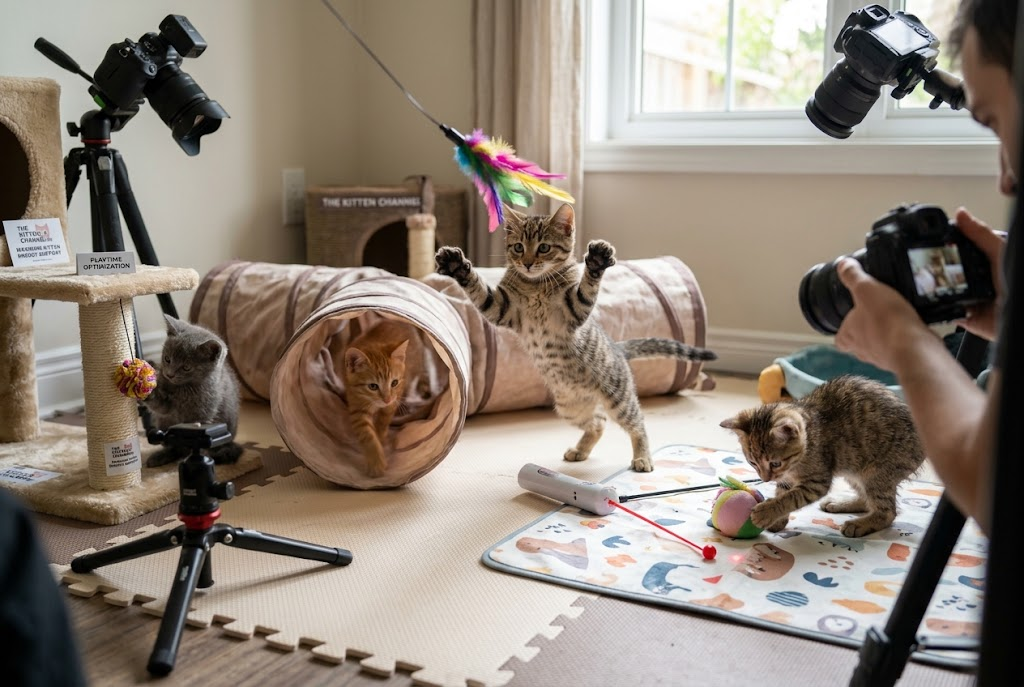
We want to give the kitten an opportunity to express its curiosity properly
So, it should be through the activities we provide. Do not think of it as one of the tasks for a senior dog. Many older dogs have neither the energy nor the desire to entertain a very active kitten all of the time. So, if the kitten is not entertained by other means, it might get easily frustrated and cause troubles for senior pets, especially dogs. In case the kitten really needs entertainment and has no suitable sources, then you yourself can become the perfect source for it with your attention, time and imagination. A senior dog, although a loyal and a sweet dog in many respects, will most certainly not want to play non-stop the same game as the kitten all day long. So, we, as pet carers, should think for the kitten not depending on the senior dog.
Protect the Senior Dog
Your senior dog will also need extra thought during the whole dog-cat introduction process. Check that he can go to a neutral territory any time he chooses and let it get used to it. You should not shut the dog up with a lively kitten even though it is a game as there is risk of a fight or a chase. An older dog could probably sleep more than a young cat so you have to respect that time of the dog’s. Do not give the dog’s resting time over to other things.
The kitten ought to be disciplined so it understands that the dog’s bed is not the place for games. The dog’s schedule should change as little as possible so that he has things to cling onto during the new phase of life. Set time for dog feeds and walks so that the period of change can be eased and the familiar things can help the dog stay calm. Watch for signs of anxiety if they become too subtle for you to grasp. The dog could either stay away from the kitten or constantly show its lower lip. Also, the dog may yaw and turn its head so that it does not face the kitten. These behaviors are indicative of the dog wanting more privacy or some space.
Supervise Meetings
- Start With Short Meetings
Direct meetings should always be supervised at first. Do not push the kitten toward the dog. Let both animals choose how close they want to be.
- Encourage Calm Behavior
Keep your voice relaxed throughout the meeting. End the session before either pet becomes overwhelmed. Successful introductions often depend on many small positive experiences. One calm meeting can be more valuable than a long session filled with tension.
- Keep Their Needs Balanced
ReptiFiles recommends daily insects for juveniles along with daily vegetables. Its feeding guidance describes juvenile dragons as needing several appropriately sized insects each day while vegetables remain available. This means squash should be treated as one small part of the complete diet. It should never become a substitute for properly selected feeder insects.
Watch Body Language
Learning animal body language can make introductions safer. A relaxed dog may have a loose posture and normal breathing. It may look away or calmly observe the kitten.Warning signs need more attention. A stiff body or fixed stare can signal discomfort. Growling or snapping should never be treated as something to ignore. Kittens also communicate through posture. Flattened ears and a tucked body can indicate fear. Hissing or repeated attempts to hide may mean the kitten needs more distance. Do not punish either pet for showing fear. Punishment can increase stress and may make future meetings harder. Instead, create more space and allow both animals to settle.
Build Positive Links
Both pets should learn that calm interactions can lead to pleasant experiences. Give the dog attention when the kitten is nearby. Provide the kitten with a favorite toy during peaceful moments.Food can also support positive learning. Keep treats at a safe distance during early meetings. The pets should remain relaxed rather than competing for food.
Keep a Daily Routine
A predictable routine can help reduce anxiety for both animals. Try to keep feeding and rest periods consistent. Playtime should also have a regular place in the day. Give the kitten enough activity without disturbing the dog’s rest. Schedule energetic play when the dog is already relaxed in another area. Keep some household activities separate. The kitten can have active play while the dog enjoys a quiet walk or rest. Later they can spend peaceful time in the same room. Routine does not need to be perfect. Small changes are normal. What matters most is creating a sense of predictability during the adjustment period.
Give Them Time
Every animal adjusts at a different pace. Some pets may become comfortable within days. Others may need several weeks or longer. Do not judge progress only through physical closeness. They may eventually sleep near each other. They may also choose separate spaces most of the time. Avoid rushing because one meeting went well.
Know When to Get Help
This is especially useful when behavior changes suddenly. A qualified animal behavior professional can provide a structured introduction plan. Seek help if either pet repeatedly tries to attack the other. Also get guidance if anxiety continues despite careful separation and gradual meetings.
Helpful Introduction Tips
- Give both pets separate safe spaces.
- Use scent exchange before direct meetings.
- Keep early visual sessions short.
- Play with the kitten before introductions.
- Protect the senior dog’s sleeping area.
- Supervise every early interaction.
Contact a Pet Care Professional
If you are struggling with the introduction process, then professional support can provide useful guidance. A veterinarian can check the senior dog for health concerns that may affect its behavior. A qualified animal behavior professional can also help you understand repeated fear or aggression. Contact a trusted pet care professional if the situation feels unsafe. Keep the animals separated until you receive suitable guidance.

Conclusion
However, these distinctions don’t indicate that they cannot cohabit in the same house. One will need to create distinct areas for them at first and build up their scent introduction sessions later on. One can use the fence method for meetings after that and then move closer. Make sure to keep meetings short and monitor them continuously. Make sure the senior dog will not be stressed by the kitten while the kitten is finding productive ways to use its energy. Importantly, give both animals enough time to get used to each other.
FAQ
This process can vary considerably from one pet to another.?
Some animals may feel relaxed in a matter of days, while others may take more than three weeks. In addition, factors such as personality and prior experiences will greatly determine how quickly the changes are felt.
Is it okay for the kitten to chase the older dog?
No. The chase can scare the elder canine, making it feel anxious. The more advisable approach is to distract the kitten with a toy or some other pastime.
What if my senior dog growls?
You should give your dog some area and distance if necessary. Growling means that the dog is not feeling well. No punishment should be used to avoid stress infection.
Could an older dog and kitten sleep together?
They may decide to sleep near each other eventually. But you should have supervision over the kittens at the beginning. Every pet has to have its own sleeping space.
In what way can I drain the kitten’s energy around the older dog?
Be sure to give your kitten plenty of play and mentally stimulating activities. Also use some interactive toys before playing it with the dog.