


Helping a scared rescue dog feel safe in your home takes a lot of patience and a very soft touch. You might see your new friend hiding under the kitchen table or shaking when you walk by. It is hard to watch, but you can help them learn that the world is not a scary place anymore.
The best way to help a nervous dog is to give them space and a predictable routine. Most rescue dogs need at least three months to truly feel like they are part of the family. If you stop trying to force them to be happy right away, they will actually start to trust you much faster. You are building a friendship that will last for years, so there is no need to rush the first few weeks.
Create a safe spot for your rescue dog
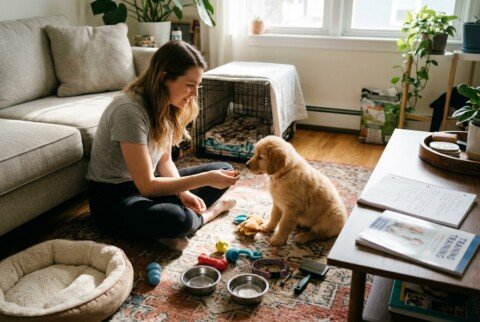
Your dog needs a place where no one will touch them or look at them. This is their “no-go zone” for humans. When my friend brought home a shy beagle named Bella, she put a crate in the corner of the laundry room with a thick blanket over the top. Bella spent four days just sitting in that dark spot, watching the house move around her.
Do not pull your dog out of their safe spot to show them off to neighbors. Let them stay there as long as they want. Put their food and water bowls just outside this area. If they feel like they have a fort, they will feel much more in control of their life. This control is what a scared dog misses most.
Make sure this spot is away from loud noises like the TV or a slamming door. A quiet corner in a bedroom or a den works great. You can put an old shirt you have worn inside the bed so they get used to your scent without you being too close. This is a gentle way to introduce yourself while they relax.

Watch their body language closely
Dogs talk with their bodies and knowing what they are saying helps you keep them calm. A scared dog might lick their lips, yawn when they aren’t tired, or show the whites of their eyes. If you see these signs, back up and give them more room. It is their way of saying they feel a bit worried right now.
Try not to lean over a shy dog or reach for the top of their head. To a scared animal, a hand coming down from above looks like a hawk or a threat. Instead, crouch down low and turn your side to them. Let them come to you to sniff your hand rather than you moving into their space. It makes a huge difference in how they see you.
If your dog stops eating or seems very sleepy and weak, you should take them to see a vet. Sometimes fear is actually pain or a hidden illness from their time before they met you. A quick checkup ensures that their behavior is just about being shy and not because they feel sick. You can learn more about general dog behavior and care to understand what is normal for different breeds.
How can I build trust with my dog?
Building trust is about being the most boring person in the house. If you are quiet and move slowly, the dog learns that you are not a threat. Toss small pieces of plain boiled chicken toward them while you sit on the floor looking at your phone. Do not look at the dog while you do this.
The goal is for the dog to think that good things happen when you are around. Over time, they will start to move closer to get the treats. One day, they might even touch your hand with their nose. That is a huge win! For more tips, you can find advice on bonding with your new pet to help this process go smoothly.
I remember a dog named Max who was terrified of men. His owner would sit in the same room as Max every night for an hour just reading a book out loud. Max eventually realized the man was just a calm part of the room. Talking softly helps them get used to the sound of your voice without any pressure to interact.
The power of a strict routine
Scared dogs love knowing exactly what will happen next. If breakfast is at 7:00 AM and the walk is at 5:00 PM, their brain can relax. They don’t have to worry about surprises because every day looks the same. This structure helps lower their stress levels so they can start to enjoy life.
Try to use the same door for every potty break and the same path for every walk. New smells and new places can be scary for a dog that is already on edge. Once they are walking with their tail up and sniffing the grass happily, you can try going one block further. Small steps are the key to big progress.
Keep your house calm while they adjust. This is not the time for big dinner parties or loud music. Tell your kids or visitors to ignore the dog completely for now. If a guest tries to pet a scared dog, it can set your training back by weeks. It is okay to be the “mean” owner who tells people to stay away for a bit.
Using food and toys to help
Food is a great tool for making a dog feel brave. Licking and chewing are natural ways for dogs to calm themselves down. You can use a rubber toy stuffed with wet food or peanut butter to keep them busy. This gives them something positive to focus on while they sit in their safe spot.
If your dog is too scared to eat from your hand, that is fine. Just drop the treats and walk away. You want them to associate your presence with the “chicken fairy” who brings treats. Eventually, they will look for you when they hear your footsteps because they want that snack. You can check out this guide for nervous dog owners to see which treats work best for training.
Don’t worry if they don’t want to play with toys yet. Many rescue dogs have never seen a ball or a squeaky toy before. They might just look at it like it is a strange rock. Leave a few soft toys near their bed and let them explore them on their own time. One day you will hear a tiny squeak from the other room and your heart will melt.
When to ask for professional help
Sometimes a dog has had a very hard life and needs more help than we can give alone. If your dog is biting out of fear or if they are so scared they won’t move at all for days, call a trainer. Look for someone who uses positive reinforcement and never uses punishment. Using fear to fix fear never works and will only break your dog’s spirit.
Your vet can also talk to you about medicine that helps with anxiety. Just like people, some dogs have brains that stay in “red alert” mode all the time. A little bit of help from a vet can lower that stress so the dog can actually learn and listen to you. It is a very kind thing to do for a dog that is suffering from deep fear.
Be kind to yourself during this time too. It is okay to feel frustrated when your dog runs away from you after you bought them a fancy bed. It takes time for them to understand that they are finally home. Keep showing up for them and one day you will get that first tail wag or a happy lick on the hand.
Have you noticed any specific things that make your rescue dog feel more comfortable? Sometimes it is something small like a specific rug or a certain type of music that makes them feel brave.



Signs Your Cat Is Happy: Easy Ways to Read Their Mood - Pet Guide Hub
[…] Helping a scared rescue dog feel safe at home […]