
Living in a tiny apartment does not mean your home has to feel empty. Best pets for small homes can fit right into your cozy space without feeling cramped or unhappy. You just need to match your daily life with an animal that loves a smaller room to run, jump, or nap.
The best choices for small spaces are low-noise, compact animals like small cats, quiet guinea pigs, standard goldfish, and easygoing older dogs. These animals do not need a giant green yard to stay healthy. A few simple toys, a clean bed, and your love are enough to make them feel safe.
Cats That Love Apartment Living
Cats are famous for living well in cozy apartments. They use vertical space, like the top of a bookshelf or a tall scratching post, instead of needing a big floor area. A sunny window seat can keep an adult cat happy for hours while you are at work.
My friend Sarah lives in a tiny studio with her rescue cat, Milo. She added two soft wall shelves above her sofa. Milo spends his days sleeping up high, safe from the busy noise of the city streets below. It takes up zero floor space, but it doubled his world.
When you keep an indoor cat, you want to watch their mood closely. A happy cat will purr softly, keep a relaxed posture, and greet you at the door. You can learn more about reading your pet by looking for Signs Your Cat Is Happy: Easy Ways to Read Their Mood. Keeping your cat active with small toys helps prevent them from getting bored in a small flat.
If your indoor Cat stops eating, stops using their litter box, or hides all day, call your vet right away. Small spaces mean you notice changes fast, which helps you catch health problems early.

Quiet Small Mammals for Tiny Spaces
Guinea pigs, hamsters, and fancy rats make wonderful friends if you have limited room. They live in cages that fit on a sturdy desk or a low table. They are quiet, so your next-door neighbors will never complain about loud noises at night.
Guinea pigs are warm and friendly, but they need to live in pairs. A single guinea pig gets lonely fast. You will need a cage that is at least four feet long. That still fits easily against a bedroom wall or under a bright window.
- Guinea Pigs: Great for cuddling, need fresh hay daily, love to squeak when you open the fridge.
- Hamsters: Best for night owls, need a solid running wheel, take up very little space.
- Fancy Rats: Smart and loving, can learn trick games, act like tiny dogs in a small body.
Keep their cages away from cold drafts and direct heaters. Small mammals get sick fast if their room gets too hot or too cold. If you notice your pet breathing fast, sneezing, or sitting hunched in a corner, take them to a small-animal vet for a checkup.
Older Dogs and Small Dog Breeds
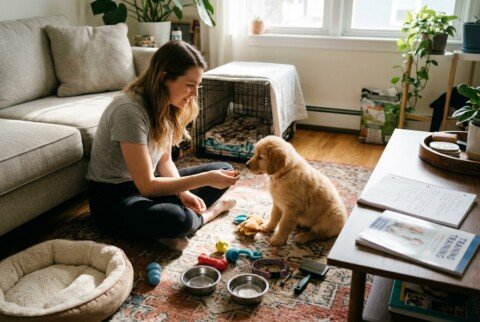
You do not have to give up on having a dog just because you live in a high-rise building. Many small breeds, like French Bulldogs, Pugs, or Shih Tzus, do very well indoors. Surprisingly, large older dogs can also be great small home pets because they sleep most of the day.
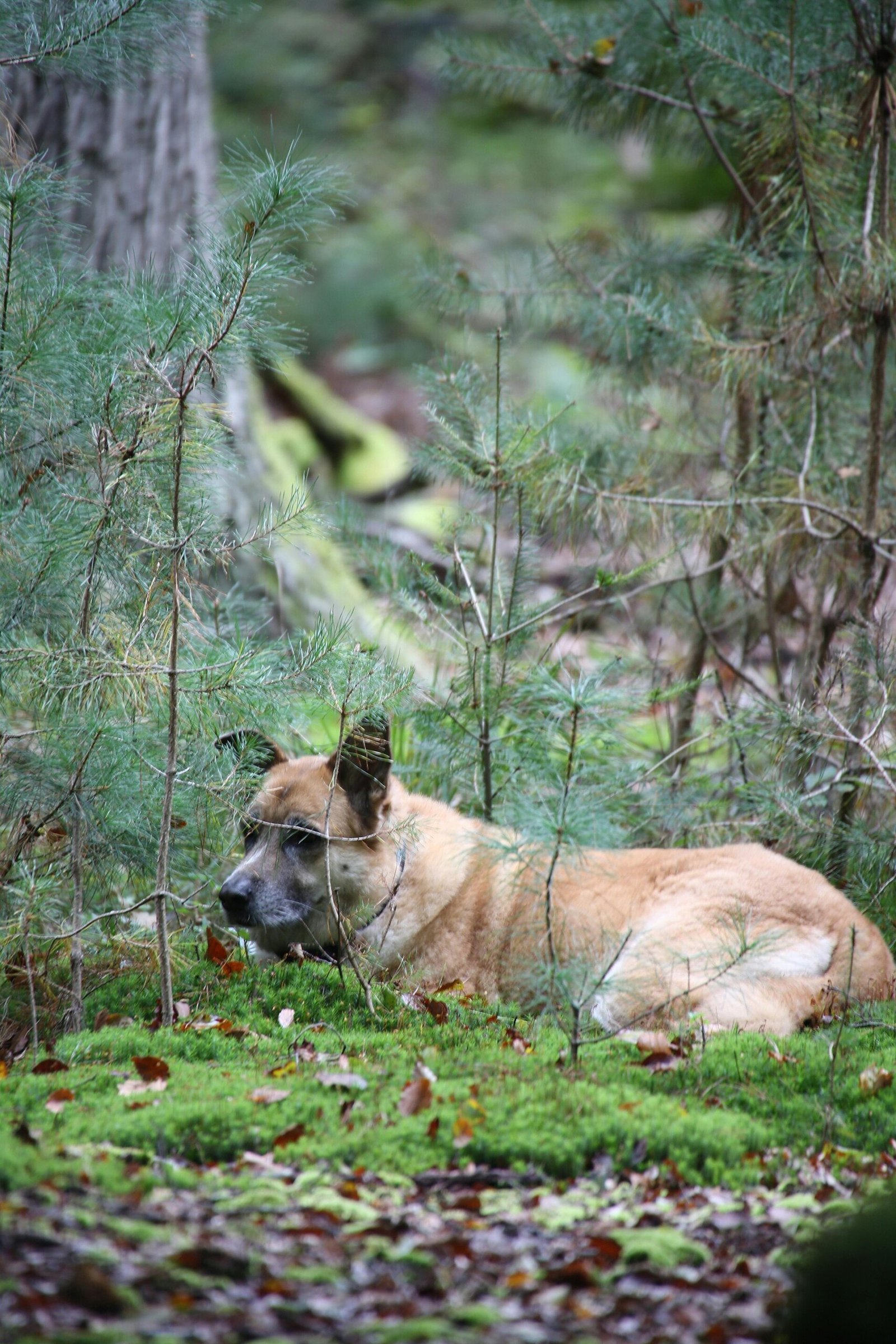
A ten-year-old rescue dog might only need two short walks around the block each day. The rest of the time, they are happy snuggled on a soft rug near your feet. Age matters much more than size when it comes to energy levels inside a small home.
Every Dog needs some exercise to stay healthy and protect their joints. Even short 15-minute walks give them new smells to explore, which keeps their brain sharp. Indoor games, like hiding treats under small plastic cups on the rug, burn energy without needing a yard.
Always talk to your vet about the right weight for a small dog. Extra pounds put a lot of stress on tiny bones and joints, especially if your dog jumps off your couch or climbs stairs every day.
Easy Fish and Low-Maintenance Friends
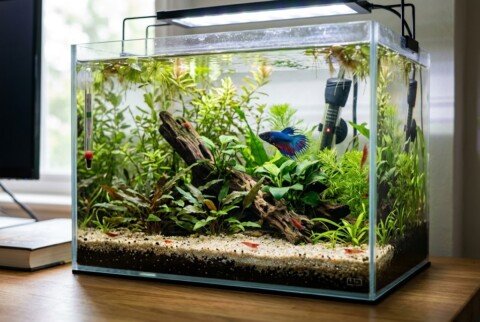
If you want a calm feeling in your front room, a fish tank is a great pick. A 10-gallon tank fits easily on a small counter or side table. Watching bright fish swim back and forth lowers your stress after a long, hard workday.
Betta fish are colorful and do very well in smaller tanks. They prefer warm water and clean filters. Never keep a betta in a tiny bowl without a heater, because cold water makes their immune system weak.
Another fun choice is the freshwater snail or small ghost shrimp. They move around eating extra algae, which keeps your tank looking bright and clean. They are fun to watch and take up almost no room at all.
Check your water quality every week with a simple kit from the pet shop. Sick fish might swim sideways, lose their bright color, or rest on the tank floor. If you see these signs, check the water temperature right away and ask a pet specialist for help.
How to Make Small Spaces Safe for Any Pet
Before you bring a new pet home, you must make sure your space is safe. Small rooms mean your pet lives closer to your trash cans, power cords, and house plants. A little planning prevents big trips to the emergency vet.
Hide electric cords behind heavy furniture or run them through plastic covers. Cats and young rabbits love to chew on loose wires, which can cause severe burns or shock. Lift all house plants up high, as common plants like lilies and pothos are toxic to animals.
Clear off low tables where tail wags might knock down glass cups or hot tea. Create a safe corner that belongs only to your pet. A soft bed tucked under an end table gives them a calm spot to rest when your home feels busy.
If you want more ideas on picking the right pet for your lifestyle, read our full guide on how to choose happy apartment pets. Giving your pet a predictable daily schedule makes them feel secure, no matter how small your apartment is.
Which Pet Fits Your Everyday Life?
Think about how many hours you spend at home each day. If you work long shifts away from home, a pair of guinea pigs or a betta fish will feel happier than a young dog. Dogs need regular bathroom breaks and human company to stay calm.
Think about your daily budget too. Small pets cost money for food, bedding, toys, and vet care. Setting aside a small emergency fund each month helps you handle unexpected vet bills without stress.
Visit a local shelter before making your final decision. Talk to the staff about your apartment size, your daily schedule, and your noise rules. They can match you with an animal whose heart is just the right fit for your home.
Living in a cozy home does not mean living alone. With the right care and safe setups, a small apartment can be the best home your new pet ever has. Which small animal are you ready to welcome into your heart?