


Bringing home a shy or fearful rescue dog changes your life, but it can feel scary when they hide under the bed for three days straight. Your new rescue wants to trust you, but their past makes new spaces feel dangerous. With simple steps, steady daily routines, and plenty of patience, you can turn a fearful pup into a confident member of your family.
The secret to helping a timid dog is giving them complete control over their personal space while you build a quiet daily rhythm. Never force interaction, keep your house calm, and let them come to you on their own time. Most frightened dogs start showing real progress within two to three weeks when they see that good things happen around you.
Create a Safe Sanctuary Space Just for Them
A nervous dog needs one spot in the house where no one will bother them. This could be a soft crate in a quiet bedroom corner or a dog bed tucked behind a sofa. When my friend brought home a timid hound named Buster, he spent his first four days behind an armchair. She put his water bowl nearby and let him stay there until he felt ready to step out.
Set up this zone away from noisy spots like the laundry room or front door. Place a soft blanket inside, along with an old T-shirt you have worn so they get used to your scent. Make a strict household rule: when the dog is in their safe space, everyone leaves them completely alone. Children must not pet them or hover over them while they rest in this area.
Keep the room lighting soft during the first few days. Loud noises like vacuums or big TV soundbars can set back your work, so try to keep the home quiet. You can play gentle classical music or soft rain sounds to cover up sudden noises from the street outside. This peace lets their stressed nervous system relax so they can rest.

Use Food and Treats to Build Trust Slowly
Food is your best tool to build a bond, but you must use it without putting pressure on the dog. If you stretch out your hand with a treat, a fearful dog might feel trapped between their desire for food and their fear of your hand. Toss high-value treats near them instead, then look away.
Try using cooked chicken breast, small bits of plain hot dog, or smelly cheese slices. Toss a treat just behind the dog so they can move away from you to get it. This trick, often called the retreat game, teaches your dog that looking at you makes good things happen without any scary closeness. They learn that you respect their personal space.
- Drop small treats on the floor as you walk calmly past their safe zone.
- Avoid looking straight into their eyes, as eye contact can feel like a threat to a shy dog.
- Feed their main meals in their safe space so they feel relaxed while eating.
- Try tossing treats while sitting on the floor with your side turned toward them.
If your dog refuses to eat for more than twenty-four hours, reach out to your vet. A dog under heavy stress might skip a meal or two, but skipping multiple meals can make them sick. A quick call to your local clinic ensures your pet stays healthy while settling in.
Establish a Predictable Daily Schedule
Fearful dogs love routines because predictability makes the world feel safe. When your dog knows when meals, walks, and rest times happen, their anxiety drops fast. Try to serve breakfast and head out for potty breaks at the exact same times every morning.
Walk the exact same route around your neighborhood for the first few weeks. Fresh smells and strange sounds can overload a nervous dog, so keep early outings short and plain. If a loud truck frightens them, remain calm, speak in a low voice, and gently walk back toward your house without making a big fuss.
Keep your own movements slow and predictable inside the house. Tell your dog what you are doing in a soft voice before you stand up or walk near their bed. Simple words like “I am moving now” said in a calm tone can keep a jumpy dog from bolting under a table. Predictable humans create confident pets.
How can you read your dog’s subtle body language?
Dogs talk with their bodies long before they growl or hide. Learning to read tiny signs of stress helps you stop scary situations before your rescue dog feels overwhelmed. A dog that feels scared will often lick their lips, yawn when they are not tired, or turn their head completely away from you.
Watch their eyes carefully for signs of stress. If you see the white part of their eye shape like a half-moon, often called whale eye, your dog is feeling scared and needs space. A stiff body, a low tail tucked tight against the belly, and flat ears all signal that your dog feels uneasy with what is happening around them.
On the flip side, look for small signs of comfort. A deep sigh while lying down, a slow lip lick after eating a treat, or a gentle tail wag at floor level means your dog is starting to unwind. For more tips on house training once your pet feels settled, read our full guide on How to Train a Puppy at Home Step by Step for simple daily routines.
Never punish a rescue dog for growling. A growl is a warning light that says, “I am overwhelmed right now.” If you scold a dog for growling, they may stop giving warnings next time and go straight to a bite. When your dog growling happens, step back immediately and give them space to catch their breath.
Introduce New Experiences and People Very Slowly
It is tempting to show off your new pup to friends, but house guests can terrify a rescue dog during their first month. Hold off on inviting visitors over until your dog willingly walks up to you for pets with a loose, happy body. When you do invite guests, set ground rules before they step inside.
Ask your guests to ignore the dog completely when they enter. They should not reach out to pet the dog, talk in high squeaky voices, or make direct eye contact. Let your guest sit quietly on the couch and drop treats on the floor without saying a word. This shows your dog that strangers bring good food and no danger.
Keep your home environment quiet by skipping big house parties or loud yard work during these early weeks. If you need to make changes to their routine, take tiny steps over several days. Building confidence takes time, but every small success adds up to long-term trust.
If you want more practical ideas to support your furry family members, check out the main page at Pet Guide Hub for helpful advice on diet, care, and behavior.
When to Seek Professional Help from a Vet
Sometimes love and routine are not enough for dogs with severe past trauma. If your dog panics to the point of hurting themselves, shaking for hours, or showing intense aggression, talk to your veterinarian right away. Severe anxiety is a real medical issue that causes actual physical stress.
Your vet can check for hidden pain, ear infections, or joint issues that might make your dog feel protective or cranky. Pain makes fear much worse, so ruling out medical problems is always the right first move. A vet can also suggest safe calming aids, professional trainers, or short-term medication to lower anxiety so training can actually work.
Look for a professional trainer who uses positive reinforcement techniques. Avoid any trainer who uses choke collars, shock devices, or scary dominance methods like pinning the dog down. Force-based methods destroy trust and will make a fearful dog far more terrified in the long run.
Celebrate Every Tiny Victory Along the Way
Helping a scared Dog open up is a journey filled with small wins. The first time your pup rests their chin on your knee or walks out of their safe room to greet you is an amazing feeling. Progress is rarely a straight line, so expect a few hard days alongside the good ones.
Take photos or keep a small notebook to track your dog’s small steps forward. Looking back over two or three weeks will show you how much progress you have made together, even when a tough day makes you feel stuck. Patience, calm energy, and clear boundaries are the best gifts you can offer.
Focus on building a strong bond based on safety and respect. Give your dog time to adjust, listen to what their body language tells you, and celebrate every brave choice they make. With your loving care, your nervous rescue will soon realize they are finally safe at home.
What small sign of trust has your rescue dog shown you this week?
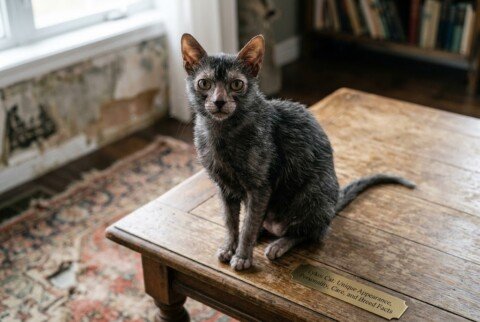




Fun Facts About Cats You Might Not Know - Pet Guide Hub
[…] How to help a scared rescue dog feel safe in your home […]