

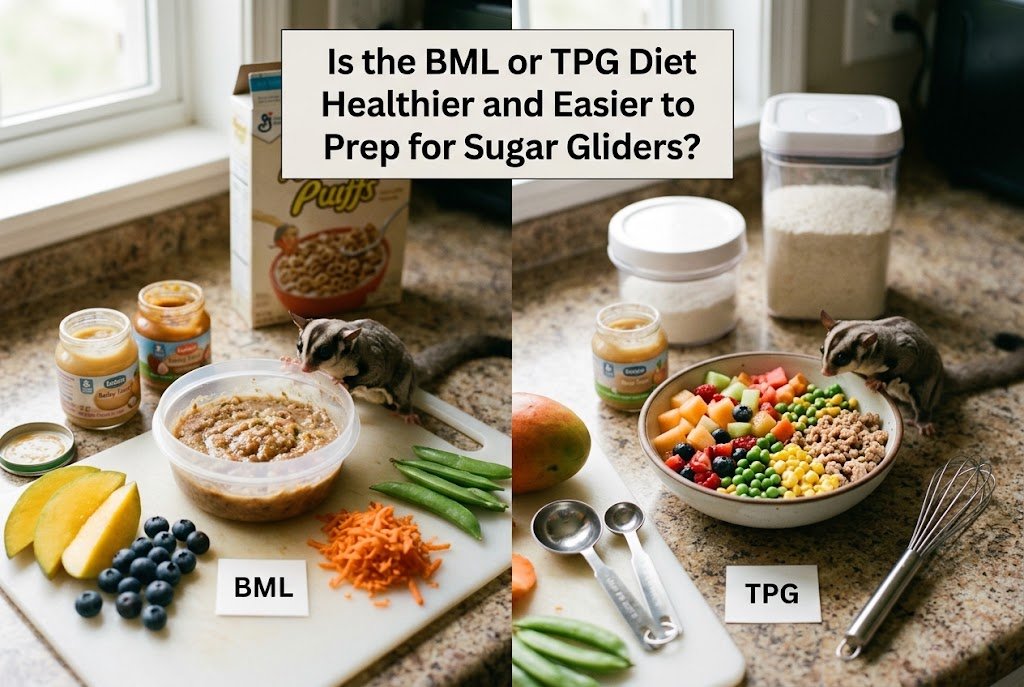
Two well-known options are the BML diet and the TPG diet. Both plans are homemade TPG diet for sugar gliders feeding systems that use a mix of fresh foods and other ingredients. They are designed to provide a more structured meal than simply offering fruit or vegetables. BML means Bourbon’s Modified Lead beater’s diet. TPG means The Pet Glider diet. BML uses a blended base that is frozen into portions.
TPG uses a fresh mixture with fruits, vegetables, yogurt, applesauce, oatmeal, and cooked protein. There is no simple answer that one plan is healthier for every sugar glider. Each animal has different needs. A healthy diet should support proper body condition, calcium balance, protein intake, and overall well-being. An exotic pet veterinarian can also help you choose a suitable plan for your individual glider.
BML Diet
The BML diet is one of the established homemade diets used for captive sugar gliders. BML stands for Bourbon’s Modified Lead beater’s. The plan uses a prepared mixture that contains several ingredients such as honey, egg, chicken, baby food, baby cereal, wheat germ, juice, and specific supplements. The BML system also includes approved fruits and vegetables. The published plan recommends a measured portion of the BML mixture along with fruit and vegetables. Insects can also be offered as a treat or protein source according to the feeding instructions. One important feature of BML is its strict recipe. Owners should not casually replace ingredients or combine the plan with another diet. Changes can affect the intended nutrient balance. ingredients or combining the plan with another diet. The intended nutrient balance may be affected by changes. This makes accurate preparation particularly important in the case of people that choose this feeding system.
TPG Diet
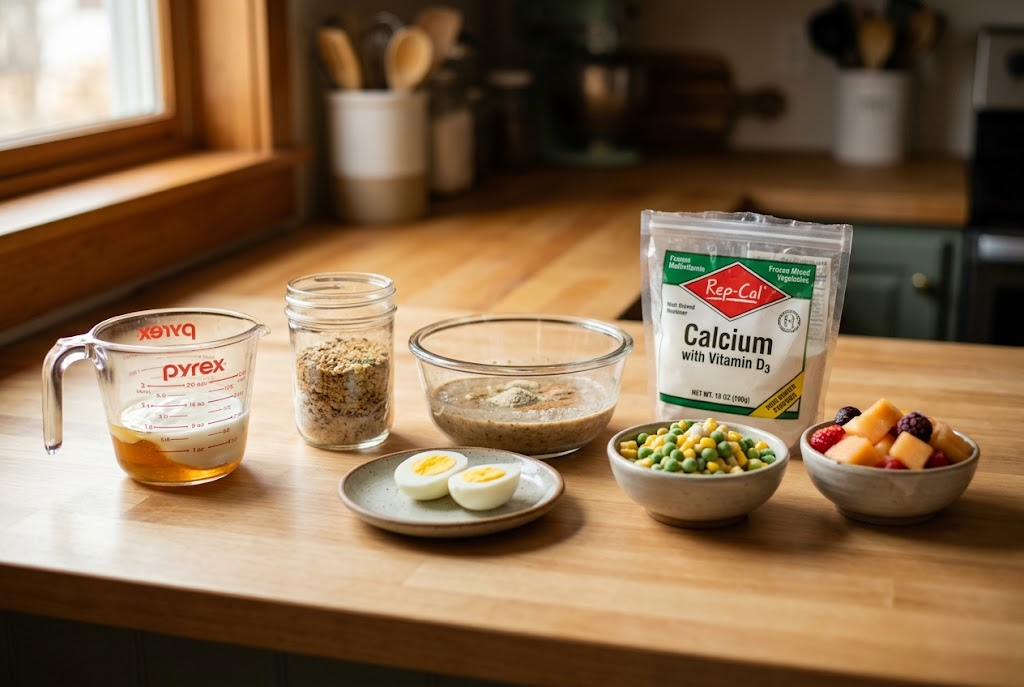
The TPG diet is also referred to as the Pet Glider Fresh Diet. The plan was designed as a fresh food system for sugar gliders. The current TPG diet for sugar gliders published recipe includes fruits, vegetables, plain whole milk, yogurt, unsweetened applesauce, orange juice concentrate, oatmeal, and cooked protein. The food is mixed together and portioned for storage.
A calcium-containing multivitamin is added to the served food according to the published TPG instructions.TPG places more emphasis on the variety of fresh food. This may result in a more colorful and varied meal. It may also require more cutting and food preparation. The current TPG recipe is designed around a larger batch that can be frozen in portions for later use.
Nutrition
Their meals need suitable sources of protein, minerals, vitamins, and other nutrients. Both BML and TPG are structured diet plans rather than simply food lists. Each plan has specific ingredients and supplement instructions. Following the complete plan is critical since changing individual parts may change the overall nutritional balance. BML provides a controlled recipe TPG diet for sugar gliders with a limited selection of approved fruits and vegetables. TPG offers more flexibility in the types of fresh produce used within its recipe. This difference may affect meal variety but does not necessarily prove that one plan is healthier. With regard to any homemade diet, it is wise to monitor your glider closely. Changes in weight, activity, appetite, stool quality, or movement must not be ignored. An exotic veterinarian can assess your pet if any health concern is present.
BML Prep
BML preparation follows a clear process, which creates a convenient TPG diet for sugar gliders supply that can be used over many meals. The BML recipe is designed around portion control. A commonly published serving is one tablespoon of the BML mixture per glider each night. The plan also calls for measured fruit and vegetable portions. The freezing step can save time during busy evenings. Once the main batch is prepared, you only need to thaw the required portion. This can make BML seem especially attractive to owners that prefer a predictable routine. A small change may seem harmless but can affect the intended nutrient profile.
TPG Prep
TPG preparation has more fresh food steps. Oatmeal is added according to the consistency of the mixture. The final food should have a suitable TPG diet for sugar gliders texture prior to dividing it into storage portions. The current TPG recipe can make enough food for two gliders for approximately thirty days. The mixture can be placed into ice cube trays or smaller containers, which helps reduce daily preparation work after the main batch is finished. TPG may demand more kitchen time during the first preparation session. However, the work can become easier once you have a regular routine.
Daily Routine
Feeding schedules
Another crucial aspect to keep in mind is a daily feeding schedule. Sugar gliders are nocturnal animals and have an eating pattern that usually occurs during the night. As a result, feeding them at regular intervals is essential.
BML Serving
BML usually demands the owner thaw the prepared mixture. Fresh fruit and vegetables are then served in accordance with the diet instructions. The serving system is quite predictable.
TPG Serving
TPG also demands a prepared portion. The main difference is the increased emphasis on fresh ingredients within the food mixture. The current TPG instructions recommend about one and a half tablespoons of the fresh diet per glider each day.
Food Variety
Food variety is one area in which BML and TPG feel different. BML has a specific list of fruits and vegetables that should be used with it. This gives owners a clear limit as they plan meals. TPG uses a broader range of fresh produce. Its recipe recommends several types of fruits and several types of vegetables. Examples include papaya, mango berries, sweet potato, kale, green beans, carrots, squash, and other suitable produce. This may make TPG seem more flexible to owners that enjoy changing fresh ingredients. BML can seem easy to owners that prefer a fixed shopping list.
| Feature | BML Diet | TPG Diet |
| Overall approach | A structured diet with specific ingredients and portions | A balanced diet plan with more variety and ingredient options |
| Preparation | Requires measuring and mixing specific ingredients | May involve preparing several food components |
| Meal planning | More standardized and predictable | Can offer more flexibility when planning meals |
| Ingredient variety | Uses a relatively defined ingredient list | Generally allows a broader selection of appropriate foods |
| Ease of following | Can be easier for owners who prefer a fixed recipe | May suit owners who prefer more flexibility |
| Nutritional balance | Designed to provide a balanced nutritional profile when followed correctly | Designed to provide balanced nutrition when prepared according to the recommended guidelines |
| Storage | Portions can usually be prepared ahead and stored | Components or meals can often be prepared ahead |
| Best for | Owners who prefer a consistent, step-by-step feeding routine | Owners who want more variety and flexibility |
| Important consideration | Follow the recipe and measurements carefully | Follow the diet guidelines carefully and maintain appropriate food proportions |
Calcium Balance
Calcium is a major concern when feeding sugar gliders. An unsuitable calcium and phosphorus balance can create serious health problems. This is one reason that structured diets include specific supplement instructions. BML includes a calcium supplement as part of its recipe. The plan also employs a specific list of foods to support its intended nutritional balance. TPG also utilizes a calcium-containing vitamin supplement. The Pet Glider currently recommends adding a measured amount to the food served each day. The supplement must not simply be guessed or added in large amounts. Extra calcium must not be added without professional advice. Too little can create problems. Too much can also be unsuitable; a qualified exotic DVM can assist a glider with unique medical requirements.

Easier Prep
In terms of prep time BML can be easier for some households. Its blended base can be made into a large batch, which is then broken down into portions in the freezer. This can reduce the day-to-day kitchen work needed to make the food. The owner can simply thaw out a portion and add in the fresh foods needed for that day. This can be ideal for owners with a busy schedule.
TPG requires more work during the batch-making process due to the fresh produce needing to be cleaned, chopped, etc. The meat also must be fully cooked before being added into the mixture. However, it can also be prepped in advance; once the batch is portioned and frozen, the daily kitchen work is reduced. What matters more is the comfort level of the owner when it comes to fresh food.
Storage Needs
BML tends to be broken down into smaller portions, which are then individually frozen, reducing the need to continually break down a large amount of food. TPG can be stored in ice cube trays or small containers, as noted in the guide. The published instructions for TPG recommend keeping portions of food fresh and not in the fridge for long periods of time. Following storage tips can make either plan easier to follow. Keeping things organized by labeling and cleaning the freezer can make daily food prep faster.
Cost Factors
The cost for a sugar glider diet depends on the location and what is available for purchase. BML calls for various bagged or measured-out products, while TPG requires more fresh produce. There is no way to tell which would be cheaper without knowing the prices where you are. It would be better to look into what is more affordable for you in terms of both diets. The cost for supplement storage containers, kitchen tools, and protein also plays into this.
Which Is Easier?
The easiest diet depends on what the owner prefers. BML can feel easier due to a more set recipe and smaller daily kitchen work, while TPG can be preferred by owners who like to make fresh food for their pet. It really comes down to what the owner feels the most comfortable doing. TPG tends to have a greater variety of produce in its recipes, while BML has a more set out list of what to buy along with a specific amount for each item. BML may have more set-out steps, but this can reduce the daily kitchen work for the owner. TPG may appeal to owners who wish to make more fresh food.

Final Guide
BML and TPG are homemade diet plans for sugar gliders. BML focuses on a specific blended mixture, while TPG focuses more on a fresh mix of produce, yogurt, applesauce, oatmeal, and meat. For pet owners who prefer a more set-out method of diet and prep, BML can be slightly easier to follow. For owners who prefer fresh food and a more varied amount of ingredients, TPG can be ideal.
FAQs
Is BML healthier than TPG?
There is no conclusive information on BML being healthier for all gliders than TPG. They are both structured diet plans that have specific ways of being made. The needs of each glider can vary, so it would be better to consult an exotics vet on what would be a healthier option for your pet.
Is TPG easier to prepare than BML?
TPG can be harder to make due to requiring more fresh produce, which needs to be chopped. BML can be easier for owners who prefer a more set recipe.
Can I mix BML and TPG?
It is not advised to mix the two diet plans unless told otherwise by an exotic veterinarian. This is because they were both made specifically for their ingredients and supplements. Mixing them can throw off the nutritional balance that was intended.
Can BML and TPG be frozen?
Yes, both diet plans can be made in batches and then frozen portion-wise. BML is commonly frozen in smaller portions.
Which diet would be best for my sugar glider?
The most ideal diet depends on the owner and their preferences. Things such as how much time you have, how easy it is to get ingredients, what storage you have, and other factors that apply to you and your pet should be taken into consideration. It would also be wise to speak with an exotic veterinarian who specializes in sugar glider nutrition.



What Is e DIY Floor Grips for a Senior Dog With Arthritis?
[…] Is the BML or TPG Diet Healthier and Easier to Prep for Sugar Gliders? […]