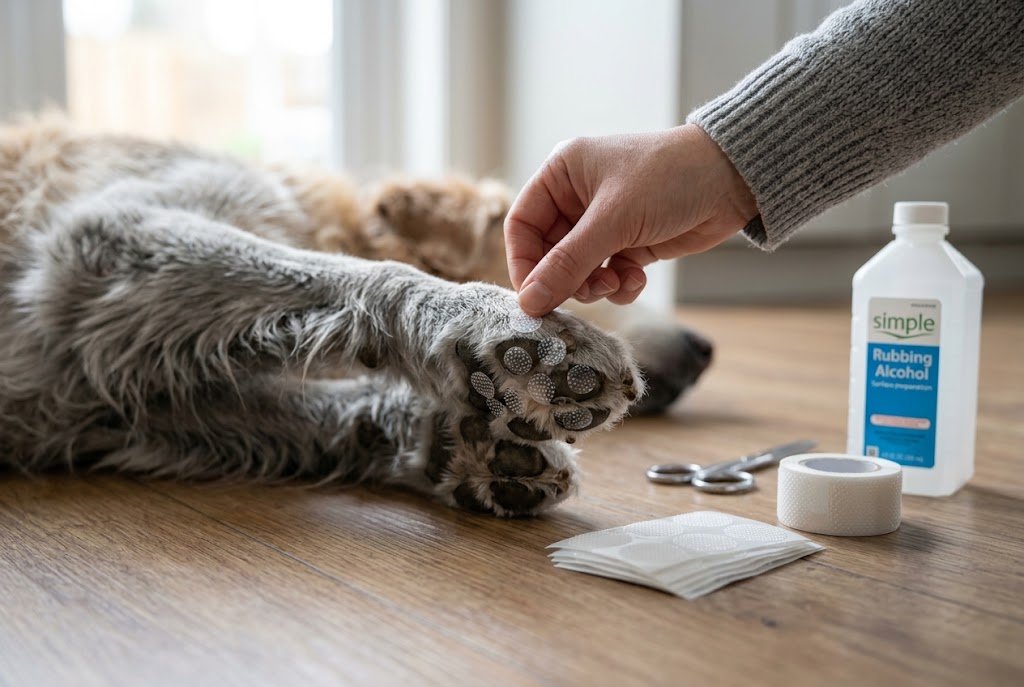
As a result, even the most basic tasks, like reaching the feed bowl and getting out of the bed, can become difficult. DIY flooring grips will provide the : DIY floor grips area where your dog walks with greater traction. This will enable your dog to walk more securely on the surface. making the walks around the house a bit easier. Prior to embarking on the task, household objects might suffice to solve the problem. The easiest solution will be invented where your pet travels the most. The path between the bed, the bowl, and the water should be located.
Why Does Arthritis Make Walking Hard?
A slippery surface can also place additional stress on painful joints. Your dog may take smaller steps or avoid certain areas of the home. Some pets may even hesitate before standing because they expect the floor to move beneath their feet. Improving traction gives your dog a more stable surface. It can support natural movement and make regular activities less stressful. Floor grips are not a treatment for arthritis. They are a simple environmental change that can improve comfort and safety.
Choose the Right Material
Look for products that stay flat against the floor and have enough texture to prevent paw sliding. DIY floor grips can be made from old yoga mats when they are clean and free from damage. Rubber shelf liners may provide another useful option for DIY floor grips. Carpet runners with a strong non-slip backing can cover longer walking paths and work well as DIY floor grips in larger areas. Avoid materials that curl easily at the edges, as this can make DIY floor grips unsafe. Raised corners can create a tripping hazard. The surface should also remain stable when your dog walks across it.
Prepare the Walking Area
Start with the areas where your senior dog walks most often. Watch your pet during normal daily activities. Notice where slipping happens most frequently. Concentrate on places that connect essential areas. Clean the floor before placing any grip material. Dust and hair can reduce traction. A clean surface can also help mats remain in place.
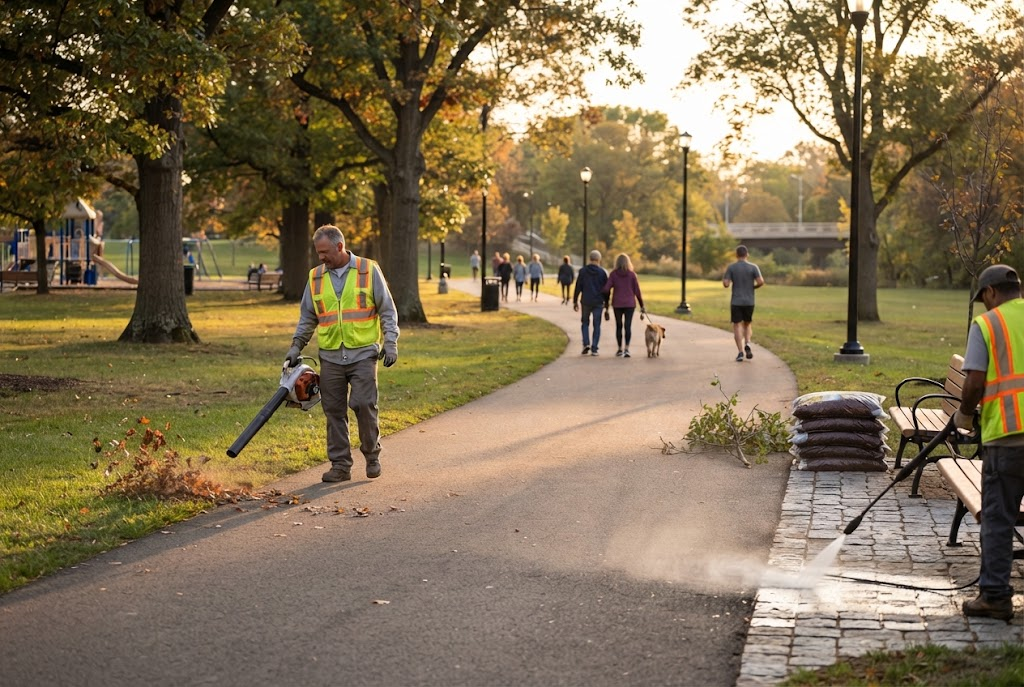
Consider creating a continuous path whenever possible. Your dog may feel more comfortable when the transition between surfaces is smooth. Avoid placing small loose pieces in locations where your pet needs to turn or stop.
Make Simple Grip Mats
A simple DIY floor grip can be made from a non-slip material cut into suitable sections. Measure the area first. Then cut the material so it fits comfortably without creating folds. Place each section flat against the floor. Press down the edges carefully. Check the surface after installation to make sure nothing moves when your dog steps on it. Check the mats every few days.
Use Carpet Runners.
- Better Traction
Carpet runners can provide comfortable traction across long hallways. They may also make cold floors more pleasant for older pets.
- Keep Runners Flat
A runner should lie completely flat. Avoid loose rugs that move when your dog walks across them. A shifting rug can create another slipping problem.
- Place Them Carefully
Place runners along common walking routes. You can connect the sleeping area with the food and water station. A path toward the door can also help if your dog needs frequent outdoor breaks. Check underneath the runner regularly. Dust and pet hair can collect underneath the material. Cleaning the area can help maintain stability.
Six Useful Features
- Non-slip backing can improve stability.
- Textured surfaces can provide better paw traction.
- Flat edges can reduce tripping risks.
- Washable materials can make cleaning easier.
- Soft surfaces can support sensitive paws.
- Durable materials can handle regular foot traffic.
Try Rubber Mats
Rubber mats are another practical option for senior dogs. They usually provide good traction on smooth flooring. Many are also easy to clean after accidents or muddy walks. Choose a mat that does not have sharp edges. The thickness should also suit the flooring underneath. A very thick mat can create an awkward step for a dog with weak legs. Place rubber mats near areas where your dog frequently stands. Food stations and water bowls are useful locations. Dogs often shift their weight while eating or drinking. A rubber mat can also work near the entrance. This area may become slippery after outdoor walks. A stable surface can help your dog transition safely into the home.
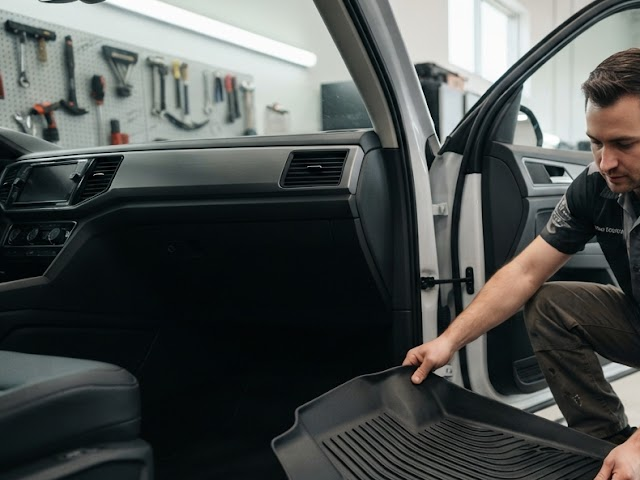
Improve Food Areas: DIY floor grips
Food and water stations deserve special attention. Keep the feeding area away from loose rugs. Your dog should have a stable surface while approaching the bowls and leaving the area.
Create a Safe Path
The sleeping area, food station, water bowl, and exit door are usually important points. Connect these areas with non-slip surfaces. Try to avoid sudden changes between grip materials. A smooth transition can reduce hesitation. Keep the path free from toys and household objects. Clutter can make navigation harder for an older dog. Good lighting can also help pets that have reduced vision.
Six Safety Checks
- Make sure every mat stays flat.
- Remove loose rugs from walking routes.
- Keep pathways free from clutter.
- Check surfaces for damaged sections.
- Watch your dog during initial use.
Secure Loose Edges
Loose edges can create serious problems for dogs with limited mobility. A paw can catch under a raised corner. This may cause a stumble or sudden loss of balance. Check every edge after placing the floor grip. Look from your dog’s height; so small raised areas are easier to notice. Flatten anything that does not sit properly. Some materials may require a suitable floor-safe grip solution to remain stable. Inspect the setup regularly. Materials can shift as people walk across them. Routine checks can keep the walking route safer.
Keep Grips Clean
Clean DIY floor grips can provide better traction for senior dogs. Dirt, hair, and moisture may collect on the surface and make DIY floor grips less effective. Vacuum or wipe the area according to the material instructions. Wash removable mats when needed, and allow them to dry completely before placing them back. Look for signs of wear during cleaning. Cracked rubber or damaged backing should not remain in use, as worn DIY floor grips may not provide the traction your dog needs.
Watch Your Dog
Every senior dog has different mobility needs. Watch how your pet responds to the new floor surface. Some dogs may walk confidently almost immediately. Others may need time to become comfortable. Introduce the grips gradually if your dog seems uncertain. Let your pet investigate the material without pressure. Positive encouragement can help create a comfortable experience. Pay attention to changes in walking habits. Floor grips should support daily movement rather than replace professional care.
Maintain the Setup
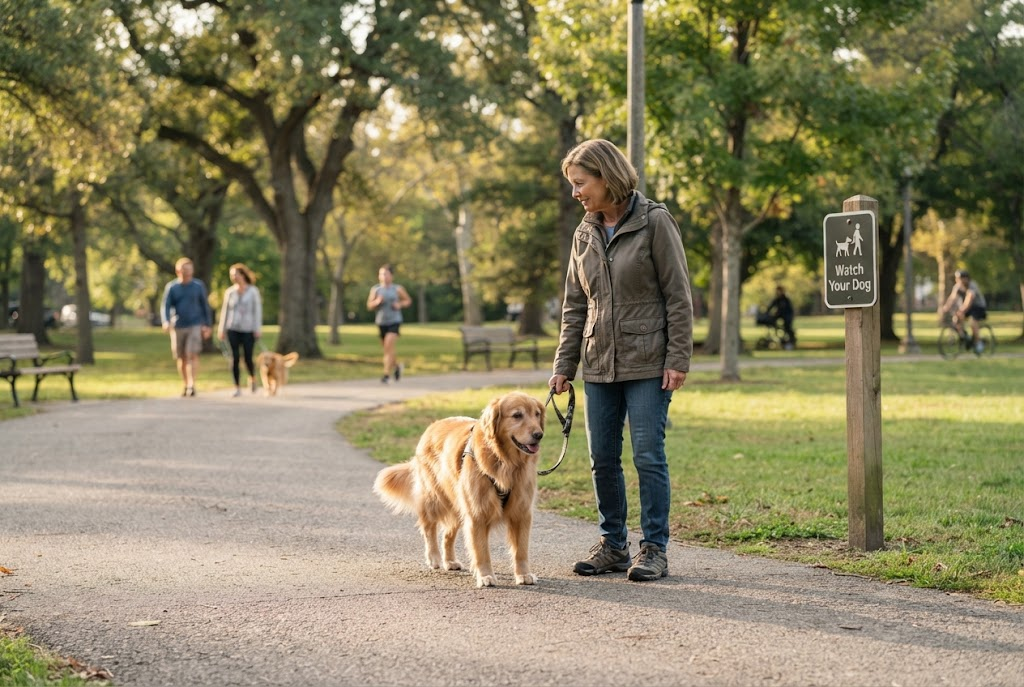
Keep surfaces flat and secure. A route that works today may need additional support later. Small improvements can make everyday movement more manageable for an aging companion. Remember that floor grips are only one part of senior dog care. Comfortable bedding, regular veterinary support, gentle activity, and appropriate nutrition can also contribute to better daily comfort.
FAQs
What is the easiest DIY floor grip for an arthritic dog?
A non-slip rubber mat is one of the simplest options. It can provide traction without requiring complicated installation. Choose a flat design that stays firmly on the floor.
Can old yoga mats help senior dogs?
A clean yoga mat can provide useful traction on smooth flooring. Make sure it lies flat and does not move under your dog’s paws. Replace it if the material becomes damaged.
Should I cover the entire floor?
You usually do not need to cover the entire floor. Focus on important walking routes. Areas near the bed, food bowl, water station, and door may need the most attention.
How can I stop floor mats from moving?
Check the edges regularly. Any mat that continues to slide should be replaced or secured with a suitable pet-safe solution.
Are floor grips enough for a dog with arthritis?
Floor grips can improve traction, but they do not treat arthritis. They are one part of a supportive home environment. If your dog shows increasing pain or mobility difficulty, speak with your veterinarian for appropriate guidance.