


Helping a scared rescue dog takes time, soft words, and a lot of love. Your new dog might hide under the table or shake when you walk by. That is okay because everything in your house feels brand new and scary to them.
The best way to help your dog relax is to give them a quiet space, a set routine, and control over their own body. Most rescue dogs start to show their real personality after about three weeks of calm care. With a little patience, you will see their tail wag for the first time.
Set Up a Safe Space for Your Dog
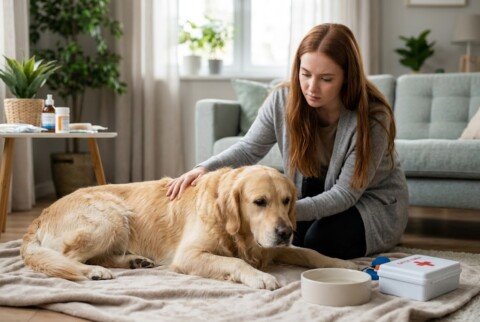
Every anxious dog needs a spot in your house where no one will bother them. This should be a low-traffic corner, like a quiet bedroom or a spot behind your living room couch. Put a soft bed, a warm blanket, and a bowl of fresh water right there.
When my friend brought home a nervous mix named Max, he spent his first four days behind the laundry basket. She did not force him to come out. She just put his food nearby, spoke softly, and let him choose when to step into the room. Letting your dog approach you when they feel ready builds real trust.
- Keep children and other pets away from this safe zone for the first few days.
- Leave an old t-shirt with your scent on their bed so they get used to you.
- Never reach into their safe spot to pull them out, even if you want to give them love.

Use Soft Body Language and a Quiet Voice
Dogs read our bodies much better than they understand our words. Staring straight into a dog’s eyes can feel like a threat to them. Loud laughs, fast hands, or walking right up to them can make a scared dog freeze or back away.
Instead, sit down on the floor a few feet away and turn your side to your dog. Look down at the floor or off to the side. Talk in a low, gentle voice like you are reading a bedtime story. Toss a small piece of cooked chicken near their paws without looking directly at them. This simple action shows that good things happen when you are around.
If you also share your home with feathered friends, learning about their needs is just as important. You can check out this guide on How to Care for a Parrot: A Simple Guide for Happy Birds to keep every animal in your house safe and happy.
How Do You Calm Down a Scared Rescue Dog?
Building a predictable day is the secret to helping a timid dog feel secure. Rescue dogs often come from places where life was chaotic or scary. When they learn that breakfast always happens after the morning walk, their brain relaxes.
Keep your daily schedule as steady as you can. Feed your dog at the exact same times every day. Walk the same short path down your street so the smells and sounds become familiar. Small wins, like sniffing a single fire hydrant without jumping, help build their confidence step by step.
You can also use calm background sound to mask scary house noises. A fan, a white noise machine, or soft classical music can help cover up the sound of slamming doors or car horns outside. Studies on any domesticated Dog show that gentle music can lower their heart rate during scary moments.
Use Food and Treats to Build Trust
Tasty treats are like a universal language for dogs. High-value treats work best for scared dogs who might be too nervous to eat regular kibble. Small bits of boiled chicken, plain hot dog slices, or tiny cubes of mild cheese are great choices.
Try the treat-and-retreat game. Toss a treat right behind your dog so they can move away from you to eat it. This removes the pressure to come close just to get food. Once they see that you keep tossing food without moving toward them, they will start taking steps toward you on their own.
If your dog refuses to eat for more than 24 hours, it is time to call a vet. Extreme fear can make a dog sick, and a quick checkup ensures there is no hidden pain or illness making their fear worse. Your vet can also offer safe advice on calming supplements if your dog is completely overwhelmed.
Avoid Common Mistakes That Cause Fear
It is easy to make simple mistakes when you just want to shower a rescue dog with affection. Hugging a scared dog, leaning over their head, or patting them on top of the crown can feel very scary to them. Most dogs prefer soft strokes on their chest or shoulders once they know you well.
Never punish a scared dog for growling or barking. A growl is simply your dog’s way of saying, “I am scared right now, please give me space.” If you scold them for growling, they might stop giving that warning and bite the next time they feel trapped.
Here are things to skip during the first few weeks:
- Do not take them to crowded dog parks or pet stores right away.
- Do not invite lots of friends over to meet the new family member yet.
- Do not force them to walk through doorway arches if they freeze up.
Give It Time and Celebrate Small Wins
Healing takes time, and every dog moves at their own speed. Some rescue dogs feel happy and safe within a few days, while others need months to come out of their shell. That is completely normal and okay.
Keep track of the tiny moments of progress. Maybe today your dog did not hide when you picked up your house keys. Maybe they lifted their head and sniffed your shoe. These small steps are huge victories for a dog who used to be afraid of everything.
For more practical pet advice and guides on caring for all kinds of animals, visit petguidehub.com. Giving a rescue animal a second chance is one of the kindest things you will ever do, and watching them learn to feel safe is worth every quiet moment you spend waiting for them.



What Dogs Should Never Eat: Toxic Kitchen Foods - Pet Guide Hub
[…] How to Help a Scared Rescue Dog Feel Safe at Home […]