
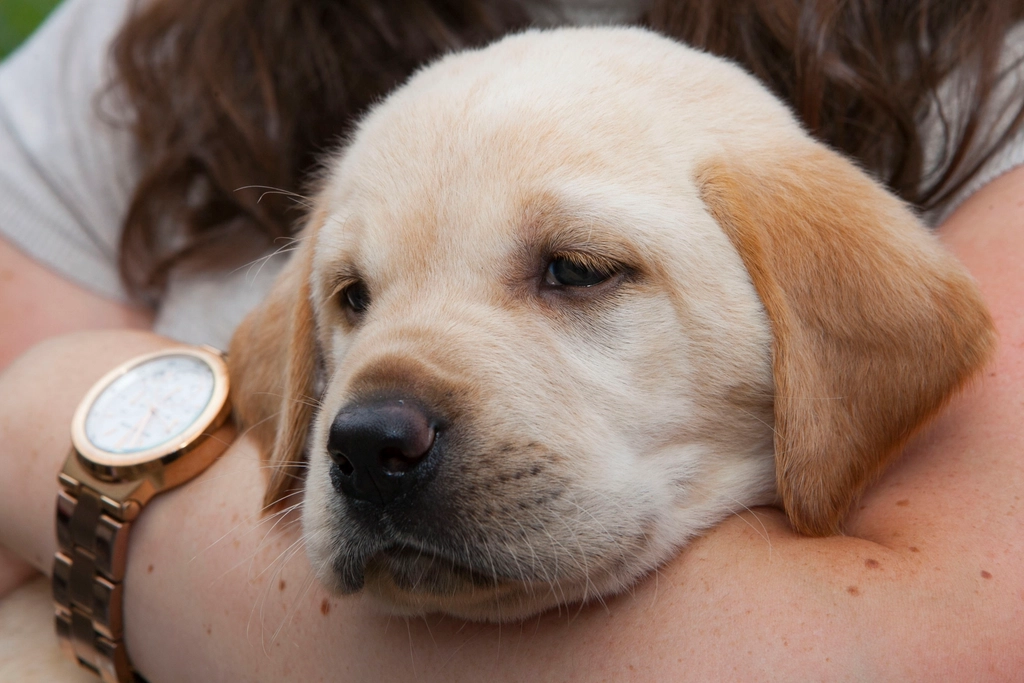

Training a puppy at home starts the second you carry that warm ball of fur through your front door. It feels messy, loud, and tiring at first. You might wonder if your rug will ever smell clean again.
The secret is simple: pick three basic rules, stick to a tight potty clock, and reward good choices the second they happen. Puppies learn fast when life stays predictable. If you keep things calm and steady, your wild little furball will grow into a polite family friend in just a few short weeks.
Living with a new pet brings tons of joy, but young dogs do not come knowing house manners. They chew chair legs because their gums hurt. They pee inside because their bladders are the size of a walnut. When you look up general facts about any domestic dog, you see they are pack animals that look to you for direction. You do not need harsh tricks or loud yells. You just need patience, tasty treats, and a clear plan.
Set Up a Daily Puppy Schedule
Puppies love a strict routine. When they know when breakfast happens, when walks start, and when naptime comes, their stress drops fast. A calm pup makes better choices.
Take your pup outside every single hour to start. Also take them out immediately after they wake up, two minutes after they drink water, and right after a game of tug. Pick one spot in your yard or on the grass strip near your building. Carry your pup there, stand still like a tree, and wait. Do not play. Give them three full minutes to sniff around.
The second pee hits the grass, say “Yes!” in a happy voice and hand over a tiny piece of boiled chicken. Make a big deal out of it. If nothing happens after three minutes, bring the puppy back inside, put them in their playpen, and try again ten minutes later.
My neighbor Sarah got a beagle named Toby last spring. Toby had four pee accidents on the rug before lunch on his very first day. Sarah felt ready to cry. We made a paper chart on her fridge, setting phone alarms every forty-five minutes. Within three days, Toby stopped having accidents inside because he never had a full bladder while wandering the rug. Setting alarms saves your carpets.
Keep sleep on that schedule, too. An eight-week-old puppy needs sixteen to twenty hours of sleep every day. When puppies get cranky and bite your ankles like little land sharks, they are almost always overtired. Put them down for a quiet nap in a dark room.

Crate Training the Gentle Way
A crate is not a cage or a jail cell. When you use it with love, it turns into your dog’s private bedroom, a safe den where they can rest without worry. It also keeps them from chewing electric cords while you brush your teeth.
Pick a crate where your puppy can stand up, turn in a circle, and lie flat on their side. If the crate is too big, your pup might sleep on one end and pee on the other. Many wire crates come with a divider panel so you can make the floor space bigger as your pet grows.
Never shove your pup inside and shut the door on day one. That creates panic. Instead, toss smelly treats inside and leave the wire door open wide. Let your pup walk in, eat the treat, and walk right out. Do this ten times in a row. Feed their regular meals right by the open door, then slowly move the food bowl all the way to the back wall.
Once your pup walks inside happily, close the door for just five seconds while you sit right next to it. Drop a treat through the wire, open the door, and let them out. Slowly build up that time. If your pup whines for a minute, wait for three seconds of pure quiet before opening the door. Letting them out while they scream teaches them that barking opens doors.
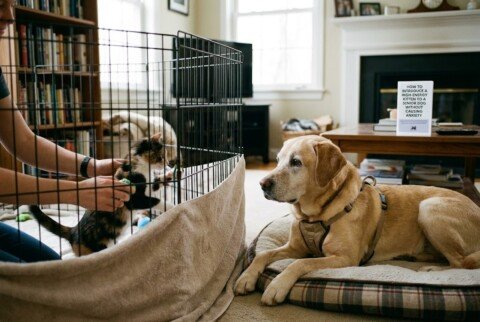
If you also have a cat at home, crate time gives your feline space to move around without getting chased. A calm home helps every animal feel secure. You can check our guide on Signs Your Cat Is Happy: Simple Ways to Read Their Body Language to see how your other four-legged friends handle the new puppy buzz.
How Do You Stop Puppy Biting and Chewing?
Puppy teeth feel like tiny needles. When puppies play with their littermates, they nip hard. A brother pup yelps and runs away if a bite hurts, which teaches the biter to be softer with their jaws. You have to teach that exact same lesson.
Keep a soft rubber chew toy or a rope bone in your pocket all day long. When your puppy runs up and grabs your shoe or your jeans, do not pull away fast. Quick movements look like a chase game to a baby dog. Instead, freeze. Say a sharp “Ouch!” in a high pitch, stop moving, and swap your arm for the rubber toy. The instant their teeth hit the toy, smile and praise them.
Chewing is a physical need for young dogs. Their baby teeth are falling out and their adult molars are pushing through their gums. Cold things feel amazing on sore mouths. Wet a clean washcloth, twist it into a rope, freeze it solid, and hand it over. It numbs their mouth safely and keeps them busy for twenty minutes.
Never hit a puppy or hold their muzzle shut. That only makes them scared of your hands. You want your dog to trust your touch completely, whether you are clipping nails or checking their ears. If your puppy keeps biting your ankles in a wild frenzy, pick them up without any words and pop them in their pen for a five-minute cool-down.
Teach the Big Three Commands: Sit, Down, and Stay
You do not need to teach your dog twenty fancy party tricks right away. Focus on three foundation skills that keep your puppy safe around doors, cars, and other people: sit, down, and stay.
Use food lures to make learning easy. Hold a pea-sized piece of cheese right in front of your puppy’s nose. Slowly lift your hand up and back toward their ears. As their nose tilts up to follow the food smell, their bottom will naturally touch the floor. The second their butt hits the rug, say “Sit!”, give the cheese, and rub their head.
To teach “down,” start from that sit position. Put a treat at their nose, then pull your hand straight down between their front paws and pull it slightly toward you along the floor. Their head and chest will follow the food into a lie-down. Say “Down!” and release the treat. Practice each word for only five minutes at a time. Three short lessons a day work way better than one long, boring hour.
For smart guidance on building a solid routine with any four-legged family member, check out helpful advice at pet training tips and home animal care. Simple steps done every day lead to a polite companion who listens even when guests ring the doorbell.
Socialize Safely Before All Shots Are Done
Socialization does not mean letting fifty strangers and twenty wild dogs rush up to touch your puppy. True socialization means teaching your pup that the noisy world is a safe place that does not require big reactions.
Puppies have an open learning window that starts to close around sixteen weeks of age. During this window, you want them to see vacuum cleaners, baby strollers, umbrellas, men with big hats, and delivery trucks. Sit on your front porch with your puppy on your lap. When a noisy school bus drives past, hand your pup a treat while they watch it go by.
Keep your puppy off public ground where strange dogs walk until your local vet gives the final booster shots. Parvovirus can live in soil for months, and baby immune systems cannot fight it off alone. You can still carry your pup into pet stores in a clean laundry basket lined with blankets. They get the sights and smells without the sick germs.
If your puppy ever shakes, pulls back, or tucks their tail between their legs, you are too close to the scary thing. Do not force them forward. Take ten steps back until they relax and take a treat again. Let them explore at their own speed.
When Should You Call a Vet or Trainer?
Most puppy trouble comes down to normal baby behavior that fades with time. Yet some red flags mean you should pick up the phone right away.
If your puppy suddenly stops eating, vomits twice in a row, or has runny watery stool, call your vet immediately. Puppies dehydrate in just a few hours. If a happy pup suddenly turns totally quiet and limp, do not wait overnight. Trust your gut and head to an emergency clinic.
True aggression is rare in young puppies, but severe resource guarding can show up early. If your pup growls, freezes, or snaps whenever you walk near their food dish or a stolen sock, do not try to punish them. Yelling makes guarding worse. Reach out to a certified professional dog trainer who uses positive reinforcement. Catching big fears early keeps everyone safe.
Training a puppy takes weeks of laundry, lost sleep, and endless outdoor potty breaks. Then, one morning, you will sit on your couch, point to the floor, and your pup will lie down quietly with a happy sigh. Every single minute of work pays off right there.



Easy Tips to Help a Scared Rescue Dog Feel Safe - Pet Guide Hub
[…] How to Train a Puppy at Home Without Losing Your Mind […]