
Dogs love to eat almost anything that falls on the kitchen floor. A dropped piece of food might seem like a harmless treat, but some common snacks can make your pup very sick. Knowing what dogs should never eat keeps your furry best friend safe every single day.
The short answer is simple. Keep chocolate, grapes, onions, garlic, xylitol, and salty snacks far away from your dog. If your pet ever eats something dangerous, call your vet or an animal poison hotline right away. Acting fast can save your dog’s life.
The Most Dangerous Foods in Your Kitchen
Many tasty human foods act like poison inside a dog’s body. Chocolate is one of the biggest dangers because it has chemicals called theobromine and caffeine. Dark chocolate and baking cocoa are the worst, but even milk chocolate causes severe harm. A small dog named Toby once ate half a chocolate muffin, and his heart rate spiked within two hours. His owner took him straight to the clinic for quick treatment.
Grapes and raisins are just as bad, even though they look harmless. Scientists still do not know the exact reason, but these fruits can cause sudden kidney failure in dogs. Just a few raisins can make a medium dog very ill. Never share your trail mix or morning oatmeal if it has raisins in it.
Onions, garlic, chives, and leeks belong to the Allium family. They damage a dog’s red blood cells, which leads to anemia. This danger comes in every form, including raw, cooked, or powdered. Onion powder hides in many potato chips, soups, and pasta sauces. Check ingredient labels before you offer your dog a bite of cooked meat.
Xylitol is a artificial sweetener that hides in many sugar-free products. You can find it in peanut butter, gum, candy, baked goods, and even toothpaste. Xylitol causes a fast drop in blood sugar, which can lead to seizures or liver failure within 30 minutes. Always check the peanut butter label before filling a chew toy.
Here is a quick safety list of human foods to keep out of reach:
- Chocolate of any kind, especially dark or cocoa powder
- Grapes, raisins, and sultanas
- Onions, garlic, and powder seasonings
- Xylitol in sugar-free treats and peanut butter
- Macadamia nuts and walnuts
- Avocados and green potato skins

Why Are Certain Foods Bad for Dogs?
A dog’s body breaks down food in a totally different way than ours. Human bodies easily process spices, natural sugars, and certain chemicals that overload a dog’s internal organs. When a dog eats something toxic, their stomach, liver, or kidneys take the hit. You can learn more about how a Dog digests food to understand their unique body needs.
Fatty foods like bacon, fried chicken, and buttered meats can trigger pancreatitis. This is a painful swelling of the pancreas that often lands pets in the emergency hospital. It can happen after just one heavy holiday meal. Stick to plain, lean meats if you want to offer a meat treat.
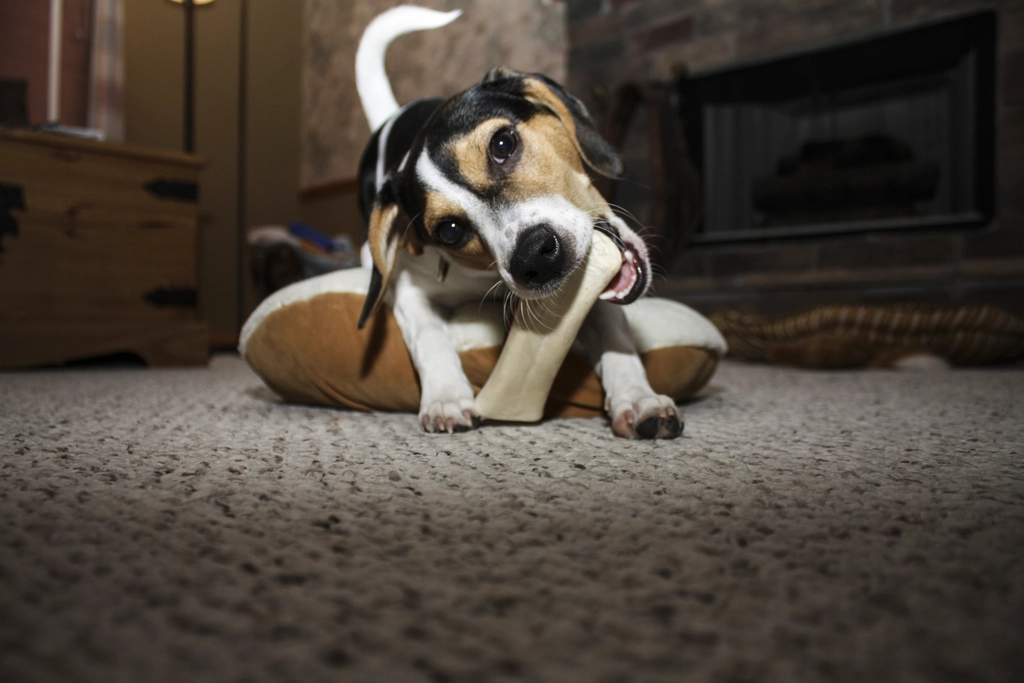
Cooked bones are another major hazard around the house. Unlike raw bones, cooked chicken or steak bones splinter easily into sharp points. These small splinters can tear the throat, puncture the stomach, or cause severe blockages in the intestines. Throw all leftover meat bones straight into a secure outdoor trash bin.
Alcohol and caffeine also affect dogs much faster than humans. A tiny sip of beer, wine, or spilled coffee can cause vomitting, slow breathing, and heart problems. Keep your morning mug and evening drinks up on high tables where curious noses cannot reach them.
What Should You Do If Your Dog Eats Something Toxic?
Accidents happen even when you stay careful. The first step is to stay calm so you can take quick action. Figure out what your dog ate, how much they swallowed, and when it happened. Keep the food package or label if you can still find it.
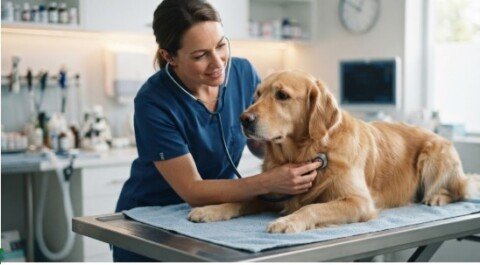
Call your vet immediately for practical advice. If your regular clinic is closed, reach out to an emergency vet hospital or a pet poison helpline right away. Do not wait for bad symptoms to show up, because waiting makes treatment much harder. Never try to make your dog throw up at home unless a trained vet tells you to do so, because some foods cause more damage coming back up.
Watching for early illness signs helps you act fast. Common signs of food poisoning include:
- Vomiting or clear dry heaving
- Watery diarrhea or dark stools
- Drooling much more than normal
- Weakness, shaky legs, or trouble standing
- Extreme thirst and peeing constantly
- Pale gums or yellow eyes
When you bring a rescue pup home, they might scavenge for scraps because they feel nervous or hungry. You can read our guide on Easy Tips to Help a Scared Rescue Dog Feel Safe to help them adjust to household life without hunting for kitchen trash.
Safe and Healthy Snacks Your Dog Will Love
You do not have to skip treat time completely. Plenty of fresh fruits and vegetables make wonderful snacks for your pet. Plain crunchy items work best because they taste great without adding bad fats or dangerous chemicals.
Carrot sticks are a fantastic option for pups of all ages. They are low in calories, high in fiber, and help clean teeth as your dog chews. Apple slices also taste sweet and refreshing, just remember to remove all seeds and the hard core first. Green beans, cucumber slices, and blueberries offer great rewards during daily training sessions.
Check out our main guide at petguidehub.com for more fun pet tips and everyday care advice. It is easy to build healthy habits when you have good ideas ready to go.
Plain cooked pumpkin works wonders for a dog’s digestion. Use pure canned pumpkin without added pie spices or sugar. A small spoonful mixed into dry food soothes an upset tummy and adds natural flavor. Plain cooked sweet potatoes and plain white rice work well during stomach recovery days too.
Here are safe snacks you can offer in small amounts:
- Raw or steamed carrot pieces
- Fresh cucumber slices without heavy salt
- Seedless watermelon chunks
- Blueberries and plain strawberry halves
- Plain boiled chicken breast with no skin or bones
How to Dog-Proof Your Kitchen and Home
Preventing an accident is much easier than fixing one later. Take a walkthrough around your cooking area to spot hidden hazards. Store all trash in bins that feature locking lids. Dogs can easily push over thin plastic cans to grab food scraps or greasy wrappers.
Keep your kitchen counters clear of stray food items. Many medium and large dogs master the art of counter surfing when nobody looks. Put away chocolate boxes, bread loaves, and fruit bowls right after cooking or shopping. Tell house guests and kids never to feed the dog from the dinner table.
Check lower cabinets where you store cleaning supplies or baking goods. Add childproof safety locks to cabinet doors if your pup learns how to pry them open with their nose. Put purse bags, backpacks, and gym totes on hooks near the front door. Sugar-free gum or prescription medications in a bag can look like a fun chew toy to an eager pet.
During party events or holiday dinners, set up a comfortable quiet room for your pup. Give them a soft bed and a safe chew toy away from the crowd. This prevents well-meaning guests from handing out dangerous snacks like salty ham, rich gravies, or onion-rich stuffings.
Protecting your dog takes a little daily effort, but it brings total peace of mind. Check your pantry labels, keep trash closed tight, and enjoy feeding your dog safe, wholesome foods. If you ever feel unsure about a new treat, double-check with your vet before sharing that first bite.