


The best pets for small homes do not need big backyards to feel loved and stay healthy. You can live in a studio apartment or a compact townhouse and still share your life with an animal companion. Joy comes in all sizes, and small spaces can be the coziest homes of all.
The short answer is simple. Look for quiet, compact buddies like cats, small birds, guinea pigs, or calm low-energy pups. They fit neat spaces, make very little noise for your neighbors, and still give you plenty of warm love every single day.
What Makes an Animal Great for Small Spaces?
Living in a compact house means you share almost every foot of room with your animal. You need to think about sound, smell, exercise needs, and overall size. A giant dog who wants to sprint across grass will feel restless inside four tight walls.
Smell control matters a lot when your kitchen sits ten feet from your sofa. You want an animal whose bedding or litter box is simple to clean daily. Regular care stops bad scents before they start. It keeps both you and your buddy happy and healthy.
Noise is another big factor. Shared walls make loud barking or screeching tough on nearby neighbors. A quiet friend makes apartment living smooth for everyone on your floor. When you adopt a common Pet, always match their natural volume to your building rules.
Also, think about how you will get veterinary care. Small spaces mean you might not have a car, or your stairs might be steep. Make sure you can carry your pet in a safe carrier to a local vet clinic whenever they get sick or need a yearly checkup.

Cats: The Classic Apartment Companion
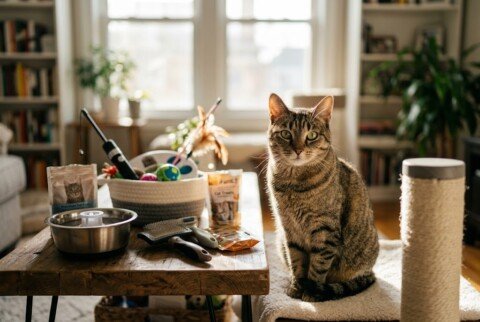
Cats fit naturally into small living areas because they use up-and-down space rather than floor space. A tall scratching post or a window perch lets them climb, hunt, and rest high up. My friend Maya has a tiny 400-square-foot studio, and her tabby spends half the day watching birds from a simple suction-cup window shelf.
Most cats do not bark, whine, or bother neighbors through thin walls. They sleep anywhere from twelve to sixteen hours a day. When they wake up, fifteen minutes of chasing a feather wand gives them all the exercise they need before dinner.
Keeping a clean litter box is the secret to a fresh home with a Cat. Scoop the box every single morning and evening without fail. Put down a small rubber mat outside the box door to catch stray litter bits from getting onto your rugs.
Watch out for weight gain in small rooms. Indoor cats can get lazy and chubby if they never move around. Buy puzzle feeders or hide dry kibble in tiny bowls around the room to keep their hunting brains active. If your cat stops jumping, eating, or using the litter box, call your vet right away to rule out bladder trouble or joint pain.
What Are the Best Pets for Small Homes?
If you do not want a cat or dog, smaller critters make wonderful companions. Many gentle animals live comfortably in well-kept cages and enjoy daily playtime on your rug. You can learn lots of great animal tips through our main pet care guide to keep every kind of buddy thriving.
Guinea Pigs
Guinea pigs are friendly, gentle, and full of sweet personality. They talk with cheerful little squeaks, often called wheeks, when they hear you open the fridge door. A pair needs a flat cage about eight square feet in size, which easily fits along a living room wall or on top of a low dresser.
Always adopt guinea pigs in pairs because single pigs get lonely and sad. They love eating fresh timothy hay, green bell peppers, and leafy romaine lettuce. Give them half an hour of lap time each night while you watch a movie. Check their teeth and nails often, and visit an exotic animal vet if they ever stop chewing their hay.
Rats
Pet rats surprise people who have never met one. Fancy rats are clean, affectionate, and smart enough to learn their own names. They act like tiny pocket dogs that groom themselves constantly and love riding on your shoulder while you fold laundry.
Rats need a tall wire cage with plenty of levels, hammocks, and climbing ropes. This vertical setup takes up very little floor space in a corner. They live around two to three years and bond closely with their humans. Keep their cage away from drafty windows, since their lungs are delicate and prone to sniffles.
Small Birds
Budgies and cockatiels bring cheerful songs and bright color into any room. They stay inside their cages while you are busy, but they truly blossom when let out to fly in a safe room with closed doors and windows. You can check out How to Care for a Parrot: Daily Routine, Food, and Cage Setup to see how to build a clean, engaging setup in tight spaces.
Never cook with non-stick pans around birds. The heated fumes from non-stick coatings are deadly to bird lungs within minutes. Clean their cage bottom every day with plain paper sheets to keep dust low. If a bird sits puffed up at the bottom of the cage, get to an avian vet right away.
Calm Dogs That Thrive in Small Spaces
Can you really keep a pup in a small home? Yes, but energy level matters far more than physical size. A small Jack Russell Terrier often needs three times more exercise than a giant, lazy Greyhound. A gentle Dog can be very content indoors if you commit to daily walks outside.
Bichon Frises and French Bulldogs are two great choices for small quarters. Bichons shed almost no hair and love cuddling on small sofas. Frenchies stay quiet most of the day and only need short strolls around the block to stay fit and happy.
Potty routines take real planning without a private yard. You must walk your pup three or four times each day, rain or shine, up and down the stairs or elevator. Build a steady schedule so your dog knows exactly when their next bathroom break happens.
Indoor brain games save your furniture on wet, stormy days. Hide a few smelly treats under old tennis balls in a muffin tin. Your dog will sniff and move the balls around with their nose to find the reward. Twenty minutes of nose work tires a dog out faster than a long run outside.
Daily Care Habits for Small Home Living
Living close together means your daily routine needs to stay tidy and consistent. Set aside ten minutes every morning for basic pet chores. Wash water bowls with hot soapy water, sweep up scattered seeds or litter, and toss any wet bedding.
Store food in airtight plastic tubs rather than loose paper bags. This stops odors, keeps food crunchy, and prevents pests like ants or mice from sniffing out your animal supplies. You can tuck these bins neatly under your bed or in a closet corner.
Keep a clear medical file in your kitchen drawer with your pet’s shot records and vet phone numbers. In a small home, you notice tiny changes in your pet right away. If your friend eats less food, drinks extra water, or sleeps more than usual, pick up your phone. A quick visit to your family vet catches small problems before they turn into serious illnesses.
Which small pet feels like the right fit for your home and routine? Take a quiet look around your favorite room, pick the spot where a cozy bed or cage could sit, and start planning your next steps today.




What Dogs Should Never Eat to Keep Your Dog Safe - Pet Guide Hub
[…] Best Pets for Small Homes: 6 Loving Choices […]