


Your new rescue dog is hiding behind the couch, shaking every time you take a step. Bringing home a fearful pup breaks your heart, but you can help them feel safe. With patience and small daily wins, even the most terrified dog can learn to trust you.
The secret to helping a scared rescue dog is taking things slow. You need to give them a quiet space, stick to a easy daily schedule, and let them come to you on their own time. Never force affection, and celebrate every tiny bit of progress they make.
Set Up a Safe Space for Your Scared Dog
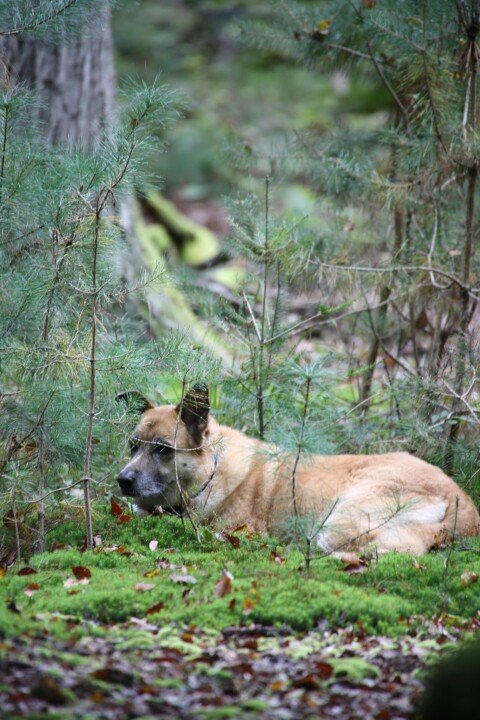
Every nervous dog needs a spot in your home that belongs only to them. This should be a low-traffic corner away from noisy kids, loud TVs, and sudden movements. A cozy crate covered with a blanket or a soft bed behind a quiet chair works well. When your dog is in this space, no one should touch them or crowd them.
When I brought home my rescue mix, Barney, he spent his first three days squeezed between the washing machine and the wall. I put his bed right near that spot, dropped a few treats, and walked away. Knowing he had that one quiet spot helped him stop shaking. You can learn more about general pet care and safety by reading our main pet care guide for home animals.
Make sure this safe space has items that comfort their senses. Here are a few simple things to put inside:
- A soft blanket that smells like your home.
- An old T-shirt you have worn so they get used to your scent.
- A chew toy packed with peanut butter to keep their mind busy.
- A piece of crate cover to make it feel like a cozy den.
If your dog refuses to leave their safe spot to go outside, do not pull on their leash. Open the back door, step away, and let them look outside first. Safety means letting them make choices when they feel ready.

Use Soft Body Language Around Your New Dog
Dogs read our posture much better than they hear our words. To a frightened rescue animal, a tall human leaning over them looks like a big threat. Stand sideways instead of facing them head-on. Drop down to your knees or sit on the floor so you look smaller and friendly.
Avoid looking right into your dog’s eyes. Direct eye contact feels like a challenge to a scared animal. Look at their paws or off to the side, and blink your eyes slowly. Keep your voice low, soft, and calm. Speak in a gentle tone even when you are just talking on the phone near them.
Let your dog make the first move. Sit on the floor with some high-value treats, like small bits of plain cooked chicken, dropped on the ground near you. Do not stretch your hand out to touch them. Let them walk up, sniff your shoe, grab the treat, and step back. This teaches them that coming close to you brings good things without any scary pressure.
Pay close attention to subtle signs of stress. A frightened dog might lick their lips, yawn when they are not tired, or turn their head away. If you see these signs, back up and give them more room. Respecting their boundaries builds real trust faster than forced pets ever will.
Keep a Strict Daily Schedule
Scared animals panic when they do not know what comes next. A regular routine builds a feeling of safety because your dog can predict their day. Feed them, walk them, and put them to bed at the exact same times every single day.
Keep meal times peaceful. Place their bowl near their safe space and walk away while they eat. If they are too nervous to eat while you are in the room, leave the room completely for twenty minutes. Never startle a dog while they are eating or drinking.
Keep outdoor walks very short and simple at first. Use the exact same walking route every time so they do not have to process new sights and sounds. A quiet backyard or a calm side street is much better than a busy park full of strangers and loud cars.
During these early days, protect your dog from toxic items in your home as they start to explore. For safety tips on human foods to keep away from your dog, check out our guide on What Dogs Should Never Eat to Keep Your Dog Safe. Keeping their environment safe stops bad accidents before they start.
How Do You Get a Scared Rescue Dog to Trust You?
Building trust takes weeks or even months, not just a couple of days. The best way to win their heart is through toss-and-retreat treat games. Throw a tiny treat behind your dog so they walk away from you to eat it. This removes all pressure and makes them feel safe coming back toward you for the next treat.
Use high-value rewards that your dog cannot resist. Normal kibble usually does not work for a terrified dog. Try tiny pieces of cooked turkey, freeze-dried liver, or small cubes of plain cheese. Keep these treat pieces smaller than a dime so your dog does not get an upset stomach.
Try passive hanging out. Sit on the floor in the same room as your dog and read a book or look at your phone. Do not look at the dog, call their name, or try to pet them. Just exist in the same space peacefully. This teaches your pup that your presence is safe and boring.
Never scold, yell at, or punish a scared rescue dog. If they have an accident on the rug, clean it up with an enzymatic cleaner without making a scene. Scolding a nervous dog sets your progress back by weeks and teaches them to fear your voice. Positive reinforcement is the only way forward.
When to Talk to Your Vet or a Trainer
Fear can sometimes stem from physical pain or illness. If your rescue dog is completely shutting down, refusing to eat for over 24 hours, or showing signs of aggression, call your vet right away. A full health check ensures your dog is not hurting from an old injury, bad teeth, or a hidden illness.
Your vet can offer helpful solutions for extreme fear. They might suggest calming supplements, specialized pheromone diffusers, or temporary anti-anxiety medicine to take the edge off their stress. Medicine does not change your dog’s personality, but it can lower their fear enough so they can learn and adapt.
You can also read basic background info on Dog behavior to understand how canine body language works. If your dog snaps, growls, or bites out of fear, contact a certified professional force-free dog trainer. A good trainer visits your home and gives you a step-by-step plan made just for your dog’s special needs.
Never feel ashamed to ask for expert help. Seeking advice from a vet or a positive trainer shows how much you love your pet. Working as a team keeps both you and your rescue dog safe and happy.
Celebrate Every Small Step Forward
Progress with a scared rescue dog is rarely a straight line. Your dog might take two steps forward on Tuesday and one step back on Thursday. That is completely normal. Focus on the tiny victories that show your dog is slowly settling in.
Notice the small changes in their daily behavior. Did your dog rest their head on their bed while you walked past? Did they lift their tail just a little bit during a trip outside? Did they take a treat right out of your open palm without running away? These moments mean the world.
Rescue dogs are amazingly tough animals. With time, warm love, and clear boundaries, your frightened pup will slowly open up. One day soon, that scared dog hiding behind the sofa will be sitting right next to you on the couch, wagging their tail and happy to be home.
Take a deep breath and go at your dog’s pace today. Drop a tasty treat on the floor, take a step back, and let your rescue dog show you what they need.



How to train a puppy at home without stress - Pet Guide Hub
[…] How to Help a Scared Rescue Dog Build Trust […]