


Signs your cat is happy show up in small ways throughout your day. You might feel a soft forehead tap against your chin while you tie your shoes. Or maybe your cat lets out a tiny squeak when you walk into the kitchen after work.
Cats do not smile like humans do, but they show joy constantly. Once you know what to look for, reading your cat’s mood gets easy. You will see happiness in their tail, their eyes, their purr, and even their nap spots.
Their Body Language Speaks Volumes
A content cat holds their body in a loose and easy way. When your cat walks toward you, look right at their tail. Is it standing straight up with a tiny curve at the top like a question mark? That high tail means your pet feels safe, happy, and ready to hang out with you.
Their ears tell a big story too. Happy ears point forward and slightly up, just relaxed and listening to the room. If ears turn flat like airplane wings, your cat feels scared or mad. But loose, forward ears mean your home is their happy place.
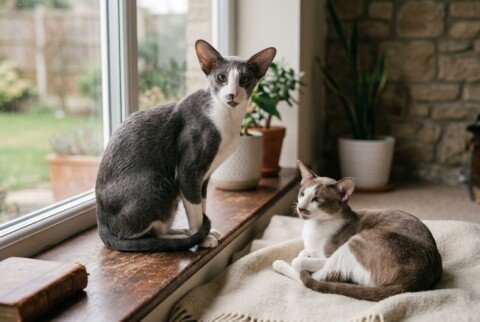
Watch how your cat sits near you on the sofa. A cat that tucks their paws under their chest like a little loaf of bread feels completely safe. They do not feel the need to run or hide. If they drop onto their side and show you their soft belly, that is the ultimate sign of trust. Just remember, showing the belly is a sign of love, not always an invite for tummy rubs!

The Way They Use Their Eyes and Voice
Slow blinking is how cats give hugs across the room. Have you ever noticed your cat staring at you with soft, lazy eyes and slowly closing them? That slow blink means they love you and feel at ease. You can slowly blink right back to say I love you too.
Purring is the most famous sound a cat makes, but it has a few meanings. Most of the time, a loud, steady purr while resting in your lap means pure joy. But cats also purr to soothe themselves if they feel sick or hurt. If your cat purrs while hiding, crouching, or refusing food, call your vet to make sure they feel okay.
Happy cats also make short, sweet sounds. A quick meow, a chirping noise, or a soft trill when you enter the room is a warm greeting. It is like your friend saying hey, good to see you!
Healthy Grooming and Daily Habits
Grooming is a big part of a cat’s day. A cat that feels safe and happy keeps their coat clean, smooth, and shiny. They will sit in a sunbeam and wash their face with a damp paw for ten minutes straight. Grooming shows that your cat feels relaxed in their home.
Sometimes your cat might even try to lick your hand or hair. Animal behavior experts at Cat research groups call this allogrooming. It means your cat treats you like family. They are marking you as part of their safe group, which is a giant compliment.
Cats that feel sad, stressed, or sick often stop cleaning themselves. Their fur might look messy, greasy, or wild. On the flip side, a cat that licks one spot until the hair falls off might feel anxious or hurt. Any big change in how your cat cleans their fur means it is time to check in with your vet.
How They Play and Explore Their World
Playful energy is a sure sign of a happy cat, no matter how old they are. A energetic kitten might zoom down the hallway at three in the morning. An older cat might just kick a small catnip mouse around the rug for two minutes. Both show a bright, active mind.
Happy cats love to hunt their toys. They crouch low, wiggle their back legs, and pounce on a piece of string or a feather wand. Interactive play keeps their mind sharp and burns off extra energy. Try to set aside ten minutes every evening to play with your cat.
Curiosity also shows your cat feels good. A happy cat runs over to sniff a paper bag you brought home from the store. They want to check out new smells, look out the window at birds, and explore open doors. When a cat feels scared, they hide under the bed instead of exploring.
The Importance of Eating and Napping Well
A good appetite says a lot about your cat’s emotional state. Happy cats get excited when they hear the food can open or the kibble bag shake. They walk to their bowl with a high tail and eat with steady interest. If you want to keep your furry friend safe around the kitchen, it helps to read up on What Dogs Should Never Eat: Toxic Kitchen Foods since many of those same kitchen foods are dangerous for cats too.
Sleep habits offer another clear clue. Cats sleep anywhere from 12 to 16 hours a day. A happy cat sleeps in open, relaxed places like the middle of your bed, a sunny rug, or right next to your keyboard. They stretch their legs far out and sleep deeply.
When cats feel stressed, they hide away to sleep. They might squeeze under a couch, stay in the back of a closet, or wake up at every tiny sound. If your cat suddenly changes where they sleep or stops eating their dinner, reach out to your local vet. Changes in eating and sleeping are often the first sign of a physical health problem.
They Show Love Through Touch and Kneading
Kneading is that rhythmic paw pushing cats do on soft blankets, pillows, or your legs. People often call it making biscuits. Kittens do this on their mother to get milk, and adult cats keep doing it when they feel safe, warm, and happy. If your cat purrs and pushes their paws into your lap, they feel totally cozy.
Head bunting is another clear sign of affection. This happens when your cat walks up and bumps their forehead or cheeks against your hand, leg, or face. Cats have scent glands on their cheeks. When they rub against you, they leave behind friendly pheromones that mark you as safe home base.
Sleeping near you or sitting on your lap shows deep trust. Every domestic Pet wants to feel secure, and your cat choosing your lap over a quiet room proves you make them feel safe. They might even sleep with their back turned to you, which shows they know you will protect them.
How to Keep Your Cat Happy Every Day
Keeping a cat happy does not take a lot of money or space. You can make simple changes around your house to give them a great life. Providing high places like cat trees or window perches gives your cat a spot to watch the world go by.
Keep the litter box clean by scooping it every single day. Cats love cleanliness, and a messy box causes them real stress. Also, place water bowls away from food bowls, as many cats prefer to drink in a separate spot.
You can find more ideas for caring for your animals by visiting pet health and wellness resources to build a calm home routine. Spending quiet time together reading, watching TV, or talking softly to your cat strengthens your bond day by day.
Trusting Your Instincts as a Cat Owner
You know your cat better than anyone else. Small changes in their personality often mean something has shifted in their world. A cat that used to love lap time but suddenly hides under the bed might feel sick or stressed by a new household noise.
Never hesitate to contact your veterinarian if your cat’s mood or body language changes fast. Vets help rule out pain, urinary issues, or stomach troubles that alter how your cat acts. Catching health problems early keeps your pet safe and gets them back to their happy self.
When your cat comes over, blinks slowly, and curls up by your feet, take a quiet breath and enjoy it. You created a safe home where your cat can truly thrive. Pay attention to these little signs, and you will enjoy a long, loving relationship with your favorite feline.




How to Train a Puppy at Home Without Losing Your Mind - Pet Guide Hub
[…] Signs Your Cat Is Happy: Simple Ways to Read Their Body Language […]