
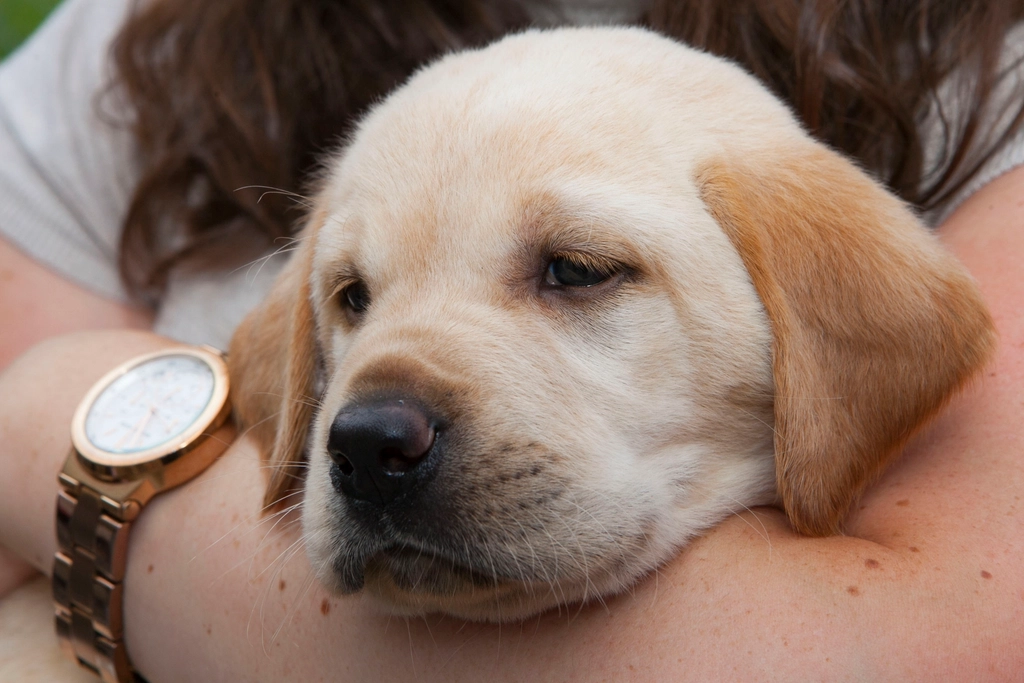

Training a puppy at home starts the very day you bring your little friend through the front door. It feels amazing to hold that soft bundle of fur, but it can also feel a bit scary when they chew your favorite shoes or pee on the rug. The secret to success is setting up a clear routine, keeping your cool, and showing them what you want them to do with lots of love.
The short answer to great home training is simple consistency. Young dogs thrive when they eat, sleep, and go outside at the exact same times every day. If you use positive rewards like tiny treats and happy words, your pup will learn house rules fast without feeling scared or confused.
Setting Up Your Home for Success
Before your pup arrives, you need to make your house safe and ready. Pick one spot in your living room for a cozy crate and a soft bed. Put away loose wires, shoes, and kids toys so your new pet does not get into trouble. Having a dedicated space makes your dog feel secure right away.
My friend Sarah brought home a little Golden Retriever mix named Charlie last spring. She thought he would just sleep on her bed, but he kept wandering off to chew on table legs during the night. Once she set up a cozy playpen in the kitchen with his bed and a few safe chew toys, Charlie settled down and slept for four straight hours. Giving your pet boundaries helps them relax.
You should also buy the right tools before day one. You will need a simple six-foot leash, a flat collar, small training treats, and an enzymatic cleaner for accidents. If you want to read more about caring for home companions, you can check out this guide on Pet care basics. Having these items ready stops you from stressing out when life gets busy.

Potty Training Without the Stress
Potty training is usually the first big job for any new dog owner. Young pups have tiny bladders. A rule of thumb is that a pup can hold their pee for one hour for every month of their age. So a two-month-old pup needs a potty break every two hours during the day.
Take your pup outside to the exact same spot in the yard every single time. Stand still and let them sniff around. The moment they go, count to two in your head, then give them a small treat and say “good boy” in a happy voice. Never yell if they have an accident inside. Yelling only teaches them to hide from you when they need to go.
Here is a basic daily potty schedule you can follow:
- First thing in the morning as soon as they wake up
- Ten minutes after every meal
- Right after they wake up from a nap
- Immediately after a fun play session
- Right before bedtime
If your pup has an accident on your rug, clean it up with a special pet cleaner. Regular soap leaves smells that tell the pup to use that spot again. If your pup ever seems to be in pain while trying to pee, or if they need to go every ten minutes, call your vet right away to check for a bladder issue.
Teaching Basic Commands: Sit, Stay, and Come
Teaching your dog basic words makes life easy and safe for everyone. Start with the word “sit” because it is the easiest thing for a pup to learn. Hold a small treat right near your pup’s nose. Move your hand up and back over their head slowly. As their nose follows the treat, their bottom will naturally drop to the floor.
The moment their bottom touches the ground, say “sit” and give them the treat. Practice this five times in a row, twice a day. Keep sessions short! A three-minute game is much better than twenty minutes of boring practice. Pups lose focus quickly, just like young children.
Next comes the command to come when called. This command can save your dog’s life if they ever slip out of their collar. Start inside your hallway where there are no distractions. Sit on the floor, call their name, and say “come” in a joyful voice. When they run to you, shower them with hugs and three tiny treats. Never call your pup to you to give them medicine or do something they dislike, or they will stop coming.
Stopping Biting and Nipper Behaviors
Puppies use their mouths to explore everything in their world. They bite your hands, pull on your socks, and nip at your ankles when they want to play. This is normal behavior, but those needle-sharp teeth really hurt! You must teach them that human skin is very soft and off-limits for biting.
When your pup nips your hand during play, let out a high sound like a little yelp and freeze. Put your hands behind your back and turn away for ten seconds. This action tells the pup that biting makes the fun stop instantly. Then hand them a safe rubber toy to chew on instead. If you like seeing fun animal games, take a look at these Funny Parrot Moments That Will Make You Smile Today for a quick laugh.
Remember that teething gets worse between three and six months of age. Their gums hurt as adult teeth push through. You can freeze a damp washcloth or a rubber toy for an hour and give it to them. The cold feeling soothes their sore mouth and keeps them from chewing on your sofa legs.
Crate Training Your Pup the Easy Way
A crate is not a cage or a punishment. It is your dog’s personal bedroom where they can rest without being disturbed. A good crate should be just big enough for your pup to stand up, turn around, and lie down comfortably. If it is too big, they might use one corner as a bathroom.
Make the crate a wonderful place to be. Drop yummy treats inside with the door wide open and let your pup walk in to get them on their own. Feed them their dinner inside the crate every evening. Never push them inside or lock them in when you are angry. You want your pup to walk into their crate on their own whenever they feel tired.
Start by closing the door for just thirty seconds while you sit right next to them. Then let them out before they whine. Slowly add more time over a few weeks. Soon, your pup will walk into their cozy spot all on their own when it is time for a afternoon nap.
How to Help Your Puppy Learn Social Skills
Social skills mean helping your pup feel brave around new things, strange sounds, and different people. Between eight and sixteen weeks of age, your pup’s brain is open to learning that the world is a safe place. Expose them to vacuum cleaners, umbrellas, men with hats, and children running around.
Keep every new sight positive. If a loud truck drives by, give your pup a tasty piece of chicken right away. They will start thinking loud noises mean good things are coming! To read more about caring for your furry friends, explore our home for dog training tips and pet care guides.
Before your pup has all their shots, keep them away from public parks where unknown dogs walk. You can still carry them in your arms around your neighborhood so they can look at cars and listen to birds. If your pup acts very scared, hides under furniture, or stops eating, talk with your vet or a certified professional trainer. Getting help early stops small fears from turning into big problems later.
According to research about Dog behavior, gentle reward training builds a stronger bond between pets and owners than old physical discipline methods. Dogs trained with love trust their families and learn faster.
Staying Patient Through the Hard Days
There will be days when your pup forgets everything you taught them. They might pee on the carpet right after coming inside, or bark at three in the morning for no clear reason. This is totally normal. Learning takes time, and young brains slip up while growing.
Take a deep breath when things get tough. Put your pup in their safe playpen with a chew toy, step into another room, and make yourself a warm drink for five minutes. A calm owner teaches a calm dog. Celebrate the small wins, like when they sit without being asked or sleep through the night for the first time.
Keep training sessions sweet and short every day. Focus on building trust through simple games, steady routines, and gentle guidance. With time and love, that playful little mess-maker will grow into the best companion you could ever ask for. What is the very first command you are going to practice with your pup today?




Fun Facts About Cats That Will Make You Love Them Even More - Pet Guide Hub
[…] How to Train a Puppy at Home: Easy Steps for Success […]