


Puppy training at home starts the very second your new little dog walks through your front door. Those tiny paws, soft ears, and happy tail wags bring so much joy, but they also bring a lot of warm puddle cleanups and chewed up slippers. You can teach your pup good habits right in your living room without spending big money on fancy classes.
The secret to fast house training and good manners is simple routines, tons of praise, and constant patience. Puppies want to please you, but their brains are small and they tire out fast. When you set clear rules, stick to a tight schedule, and keep training sessions under five minutes, your puppy will catch on quickly. If your pup ever seems very sick, sleepy, or stops eating, call your vet right away.
How to Start House Training Your Puppy
Potty training is usually the first big task for any new pet parent. Young dogs have very tiny bladders. A two-month-old pup can only hold their pee for about two hours at a time. That means you need to take them outside constantly, especially after they sleep, eat, or play hard.
Pick one specific spot in your yard or near your building to be their potty place. Walk your puppy right to that patch of grass on a leash. Stand still and wait quietly so they can sniff around without getting distracted by toys or bugs. As soon as they go to the bathroom, count to three in your head, then give them a small treat and lots of happy praise.
Accidents are going to happen inside your home. It is just part of raising a growing animal. Never yell at your puppy, rub their nose in a mess, or scare them. Scared pets just learn to hide behind the couch to pee where you cannot see them. Clean up the spot with an enzymatic cleaner to wash away the scent so they do not use that same rug again.
Keeping a written log on your fridge for three days helps a lot. Write down every time your dog eats, drinks, pees, and poops. You will see a clear pattern turn up fast. Most pups need to go out ten minutes after eating their food. Knowing their natural body clock makes house training feel much easier for everyone.

Teaching Basic Commands: Sit, Stay, and Come
Teaching basic words gives your pup confidence and keeps them safe around busy roads. Use very short words like sit, stay, come, and leave it. Keep a small pouch of soft, tiny treats in your pocket so you are always ready to reward good actions.
To teach sit, hold a treat right near your pup’s nose. Slowly move your hand up and back over their head. As their nose follows the treat, their bottom will naturally touch the floor. The moment their rear end lands on the ground, say sit, give them the treat, and gentle pets on their chest. Practice this five times in a row, two times a day.
Teaching your dog to come when called can save their life if they get loose. Start indoors in a quiet hallway. Hold your arms open, say your dog’s name followed by the word come in a happy tone, and take three steps backward. When they run up to you, make a big deal out of it. Give them a super tasty treat, like a tiny bite of plain boiled chicken. Never call your pup to come to you just to do something they dislike, like taking a bath or clipping nails.
For more great tips on understanding pet behavior and keeping your home peaceful, check out our full guide to building a strong bond with your pet every day. Learning how your animal thinks makes every lesson go much faster.
Crate Training Made Safe and Easy
A crate is not a prison for a dog. When used correctly, a plastic or wire crate acts like a cozy den where your dog can sleep, relax, and feel completely secure. It also keeps them from chewing power cords or shoes when you cannot watch them.
Set up the crate in a room where your family spends time, like the living room. Put a soft blanket and a safe rubber chew toy inside. Leave the crate door wide open so your puppy can walk in and out to explore. Never force your pup into the crate or lock them inside right away. Toss a few treats near the door, then just inside, and finally all the way in the back.
Once your pup walks inside happily, close the door for just five seconds, then open it and give a reward. Slowly build up the time. Work up to one minute, then five minutes, and then half an hour while you sit nearby watching television. If your puppy starts to whine or bark, wait for two seconds of total silence before letting them out. If you open the door while they cry, they learn that crying opens the latch.
Remember that young dogs cannot stay locked in a crate all day long. A three-month-old pup needs to get out every three hours during the day for water, potty breaks, and leg stretches. If your puppy cries for hours, seems panicked, or drools a lot, talk to your vet or a certified positive pet trainer to make sure your pup is not suffering from bad anxiety.
Stopping Puppy Biting and Nipping
Puppies use their mouths to explore everything in their world, including your hands, toes, and clothing. Their sharp little teeth can hurt, even when they are just trying to play. Teaching your pup to be gentle with their teeth is a vital lesson for every household.
When your dog nips your hand during playtime, immediately make a high sound like a yelp, freeze your body, and tuck your hands under your armpits. Stop all play for ten seconds. This action shows the puppy that sharp teeth mean the fun ends right away. Puppies love attention, so losing your focus for a short moment is a big lesson for them.
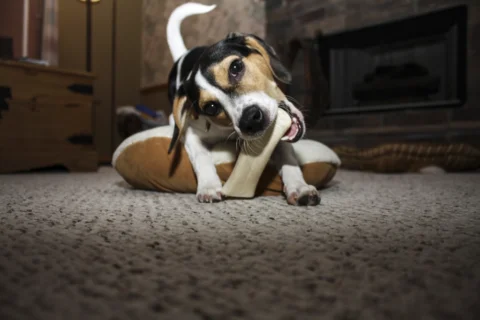
Always keep a soft toy or chew bone near you. If your puppy tries to mouth your fingers, gently slide the chew toy into their mouth instead. Praise them softly when they chew the toy instead of your skin. This simple swap teaches them what is okay to chew and what is off limits.
If you notice your dog biting more at night, they are probably tired or need a nap. Just like human toddlers, overtired puppies get cranky, wild, and extra mouthy. Put your pup in their quiet crate or pen with a chew toy for an hour to rest. Most of the time, they will fall fast asleep within five minutes.
Socialization and Daily Exercise
Getting your dog used to the world around them is called socialization. Between eight and sixteen weeks of age, your puppy forms big opinions about what is safe and what is scary. Expose them to different sounds, smells, people, and floors in a slow, positive way.
Let your dog see umbrellas opening, hear the vacuum cleaner from across the room, and walk on carpet, tile, grass, and wood. Invite friends over to hand your pup treats. If your pup backs away or tucks their tail, do not push them. Let them move at their own pace while you talk in a calm, cheerful voice.
Before your puppy has all their shots, keep them away from public parks and dog parks where unknown animals walk. You can carry your pup in your arms or in a bag around your neighborhood so they can see cars and hear loud noises safely. Check with your vet to learn when your puppy is fully vaccinated and ready to touch public grass or meet other friendly dogs.
Daily play keeps your puppy from getting bored and destructive. Two short fifteen-minute play sessions every day are much better than one long hour of hard running. Play fetch with a soft ball, do a quick game of tug with a rope, or let them sniff around the yard. Mental work like food puzzle toys burns off just as much energy as running outside.
Just like reading body signals in cats, watching your puppy’s ears, eyes, and tail tells you how comfortable they are feeling. If you have cats at home too, learning how animals show joy helps keep the house calm. Take a quick look at Signs Your Cat Is Happy: Easy Ways to Read Their Body Language to keep all your family pets feeling great together.
Handling Challenges and Knowing When to Call the Vet
Training a young dog is a winding road with great days and hard days. Some weeks your pup will sit like a star pupil, and the next week they might forget every rule you taught them. This is completely normal behavior as their body and brain grow.
Stay calm when training breaks down. Take a deep breath, lower your expectations for that afternoon, and go back to an easier step your pup knows well. Always end every single training session on a win, even if it is just a simple sit for a tiny treat.
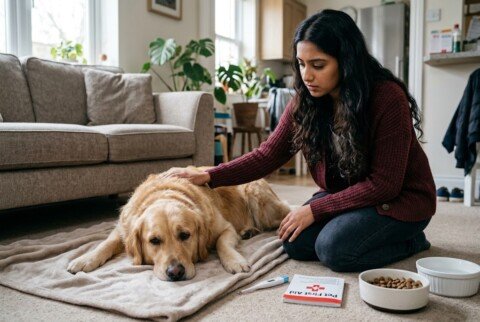
Sometimes, what looks like bad behavior is actually a health issue. If a house-trained puppy suddenly starts peeing every twenty minutes inside, they might have a bladder infection. If your dog stops playing, refuses their food, throws up, or has loose stool for more than a day, put down the training tools and call your vet. Healthy, comfortable dogs learn much faster and feel much happier.
How is your puppy training journey going at home this week? Try picking just one simple command to focus on today, keep your pocket full of treats, and celebrate every small bit of progress your pup makes.

How to help a scared rescue dog feel safe in your home - Pet Guide Hub
[…] How to Train a Puppy at Home Step by Step […]