
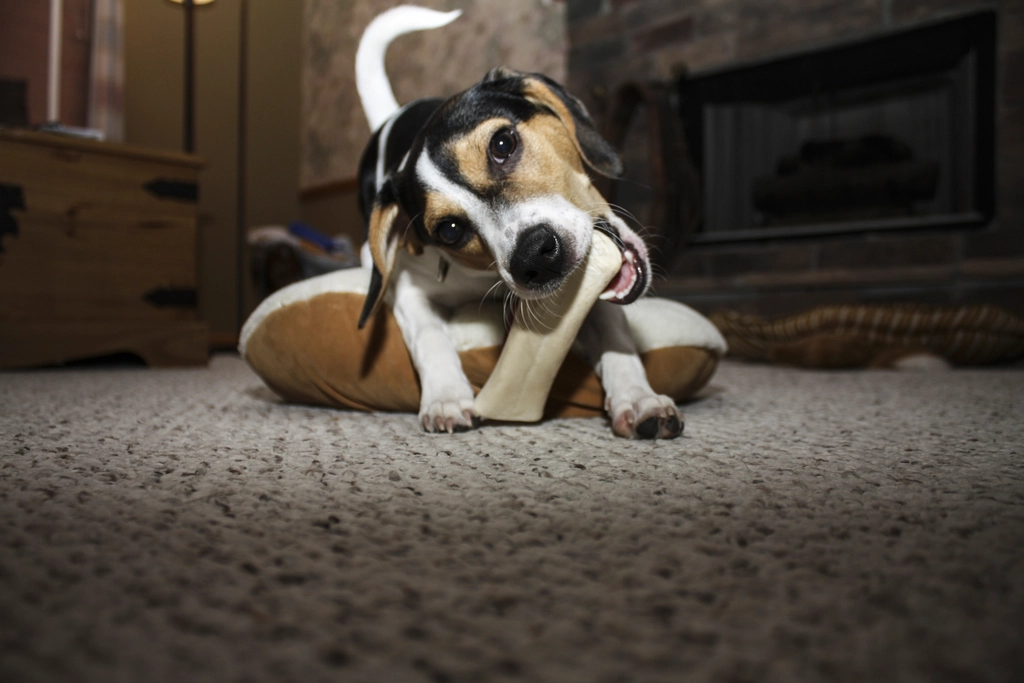

What dogs should never eat is something every pet owner needs to learn before feeding their dog a quick bite from the table. Last week, my friend Sarah dropped a single piece of dark chocolate on her rug, and her young pup snatched it up in one quick gulp. A frantic call to the clinic saved the day, but it showed how fast a simple mistake can happen.
The short answer is that many human foods contain natural chemicals that a dog cannot process. Items like chocolate, grapes, onions, garlic, and products made with xylitol top the dangerous list. Keeping these toxic items completely out of your pet’s reach is the best way to prevent a middle-of-the-night trip to the animal clinic.
Dangerous Foods That Can Make Your Dog Sick
Some tasty human treats act like poison inside a dog’s body. Dark baking chocolate is very bad because it has high levels of theobromine. Even a small amount, like two squares of dark chocolate, can make a tiny 10-pound pup shake, throw up, or suffer from a fast heart rate.
Grapes and raisins look safe, but they are extremely dangerous. Scientists still do not know the exact chemical inside them that causes trouble. Yet, eating just five or six grapes can cause total kidney failure in some dogs. Never leave a bowl of fruit on a low coffee table where a curious nose can reach it.
Onions, garlic, chives, and leeks belong to the same plant family. They damage the red blood cells inside your pet. This damage makes the cells burst, which leads to weak muscles and bad anemia. Powdered onion in soup mixes or canned baby food is just as bad as fresh onion from the garden. You can read more about keeping domestic animals healthy by checking out general Pet care facts online.

Sweet Treats and Baking Ingredients to Avoid
Artificial sweeteners are hidden in many modern foods. Xylitol is a sugar substitute found in sugar-free gum, peanut butter, baked goods, and toothpaste. If a dog eats a single stick of gum made with xylitol, their body releases way too much insulin. Their blood sugar drops to low levels in less than 30 minutes. This causes weakness, seizures, and severe liver damage.
Raw yeast dough is another big hidden threat in your kitchen. If a dog steals a piece of bread dough rising on the counter, the warm wet stomach acts like an oven. The dough keeps growing bigger and bigger inside their belly. This stretches the stomach and creates gas, making it hard for the dog to breathe. The fermenting yeast also produces alcohol, which sinks right into their bloodstream.
Speaking of alcohol, never let a pet drink beer, wine, or liquor. A dog’s liver is small and cannot process alcohol at all. A few licks of a spilled mixed drink can cause bad drops in body temperature, slow breathing, and dangerous blood changes. Always wipe up spills on the floor right away.
Nuts, Fruits, and Everyday Kitchen Hazards
Macadamia nuts are bad news for canine hips and legs. If your pet eats six or seven toasted macadamia nuts, their back legs might get weak or stop working for a whole day. They may also get high fevers and vomit. Walnuts and pecans can grow invisible mold that produces bad tremors in animals, so keep all mixed nuts stored high in cupboards.
Avocado plants contain a substance called persin. While small bits of avocado fruit might not hurt every pet, the large round seed in the center is a huge choking danger. It can slip down the throat and get stuck fast in the gut, requiring emergency surgery to pull it out.
Fruit pits from peaches, plums, and cherries hold tiny amounts of cyanide. The pit itself can block the intestines, while the cracked shell can cut the lining of the throat. If you grow fruit trees in your yard, pick up all fallen fruit before you let your dog out to run. If your home has a mix of different animals, you might also want to read How to Care for a Parrot: Housing, Diet, and Daily Love to keep your feathered friends safe from food risks too.
Salty Snacks, Cooked Bones, and Dairy Risks
Potato chips and salted pretzels taste great to us, but high salt levels hurt your pup. Eating too much salt makes a pet very thirsty and forces them to pee every few minutes. In severe cases, eating half a bag of salty chips can cause sodium ion poisoning. This leads to high fevers, shaking, and bad swelling in the brain.
Cooked bones from chicken, turkey, or pork are very soft and brittle. When a dog chews a cooked bone, it snaps into sharp, tiny splinters. These splinters can puncture the mouth, cut the throat, or slice open the walls of the stomach. Stick to safe, rubber chew toys or raw bones approved by your vet instead.
Dairy products like cheese and milk are hard for grown pets to digest. Many dogs lack the enzyme needed to break down natural milk sugars. A small slice of cheddar might be okay for training, but a whole cup of ice cream often leads to painful gas, belly aches, and runny diarrhea. You can learn more about general canine traits on the Dog page.
What Should You Do If Your Dog Eats Something Bad?
Accidents happen fast, even when you try your best to prevent them. If you catch your pet eating something bad, stay calm and take action right away. Do not wait for your dog to look sick or act weak, because some toxins take several hours to start hurting the body.
First, move the bad food away so your pet cannot eat any more. Figure out what they ate, how much they swallowed, and the exact time it happened. Check the package label for ingredients like xylitol or high cocoa percentages. This simple information helps your animal doctor make the right plan quickly.
Call your local vet or an emergency pet clinic immediately. Tell them your pet’s weight, age, and what they swallowed. Never force your dog to throw up at home with salt water or hydrogen peroxide unless the vet specifically tells you to do it. Making a pet vomit the wrong substance can burn their throat or cause them to choke.
Keep the number of a local emergency clinic saved on your phone contacts list. Having that number ready saves valuable minutes during an emergency. To get more practical ideas on keeping your house secure for pets, read our guide to pet safety at home.
How to Prevent Food Accidents at Home
Preventing food accidents is much easier than treating a poisoned pet. Teach everyone in your house simple rules about feeding the dog. Children often love to share their snacks, so explain to them why chocolate and grapes are dangerous for their furry friend.
Use sturdy trash cans with tight lids in your kitchen and bathrooms. Many dogs love to dig through the kitchen garbage after dinner to find meat scraps, chicken bones, and old food wrappers. A heavy lid stops a clever snout from tipping the can over while you are away at work.
Keep your kitchen counters clear of food when you step out of the room. A tall dog can easily swipe a loaf of bread, a stick of butter, or a tray of warm cookies off the counter in five seconds. Store all dry food, baking supplies, and medicines high up in closed cabinets.
When you host parties or holiday meals, put your pet in a quiet bedroom with their favorite toys. Guests often drop food on the floor without noticing, or they might try to feed the dog a piece of rich fat under the table. Keeping your pet in a safe space keeps them happy and away from toxic treats.
Creating a safe home for your dog takes a little daily effort, but it brings huge peace of mind. Check your floors for dropped snacks, store human treats in sealed cabinets, and always talk to your vet if you feel unsure about a specific food. What is your dog’s favorite safe treat to eat?


What Dogs Should Never Eat in Your Kitchen and Home - Pet Guide Hub
[…] What Dogs Should Never Eat to Keep Your Pup Safe […]