
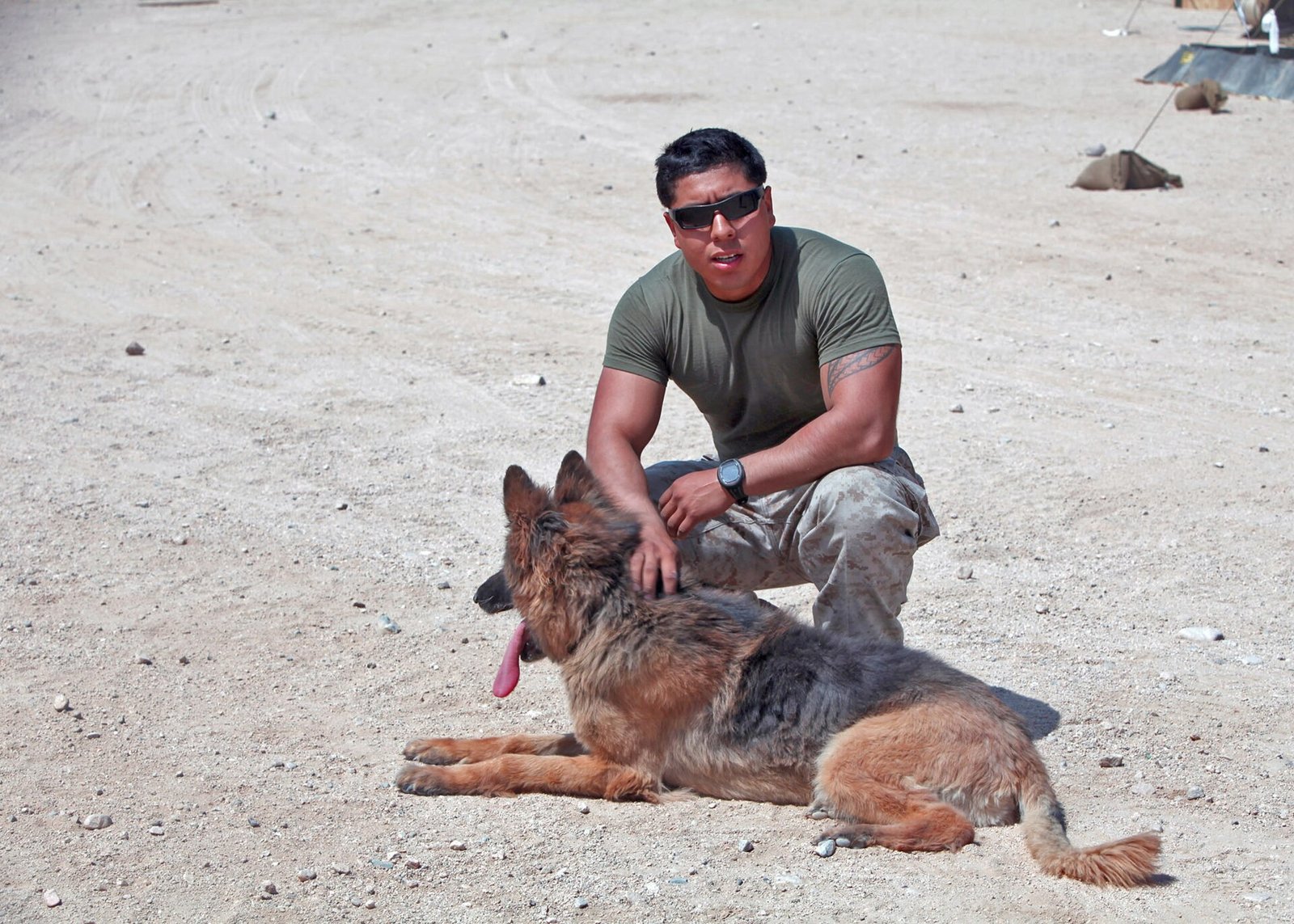

Keeping pets cool in summer is the most important job for an owner when the sun starts to bake the sidewalk. Dogs and cats do not sweat like we do, so they can overheat much faster than you might think. My neighbor found this out the hard way when her golden retriever, Max, started panting heavily after just ten minutes in the backyard last July.
You can protect your furry friends by providing constant shade, fresh cold water, and limiting their exercise to the early morning or late evening. If the ground is too hot for your hand, it is too hot for their paws. Most pets need a temperature below 80 degrees to stay comfortable while they play or rest.
Watch for signs of heat stroke in your pets
Heat stroke is a scary emergency that happens when a pet’s body temperature rises too high. You might see very red gums, thick drool, or a pet that seems dizzy and confused. Cats might hide in the darkest corner of the house, while dogs often pant so hard their whole body shakes. If your pet stops moving or starts vomiting, you must call a vet right away.
I remember one summer afternoon when my friend’s cat, Luna, seemed very sluggish. She was lying on the tile floor and would not get up for her favorite treats. We moved her to a cool room and wiped her paws with a damp cloth while calling the clinic. It turned out she was just starting to get too hot, and we caught it in time.
Always keep a thermometer in your pet first aid kit. A dog’s normal temperature is usually between 101 and 102.5 degrees. If it goes over 104, it is a crisis. Never wait to see if they “feel better” on their own because heat can damage their organs very quickly. You should also check out these Fun Facts About Cats That Explain Their Weird Habits to understand why they love sunbeams but hate the heat.

Keep the water bowl full and cold
Water is the best tool for keeping pets cool in summer. On a hot day, a single bowl of water can turn warm or grow bacteria very fast. I like to drop five or six large ice cubes into the water dish every few hours. It keeps the water chilled and gives the pets something fun to lick or bob for.
Some pets are picky about their water. Cats often prefer running water because they think it is cleaner. Buying a small pet fountain can encourage them to drink more. For dogs, try putting a second or third water bowl in different rooms so they never have to walk far to get a drink. If you are traveling, always bring a portable bottle and a collapsible dish.
You can even make “pupsicles” or frozen treats for your pets. Mix some low-salt chicken broth with water and freeze it in an ice cube tray. My dog goes crazy for these and it keeps him busy for ten minutes while cooling his mouth down. It is a simple way to make sure they stay hydrated while having a bit of summer fun.
Create a cool environment inside and outside
Your home should be a safe refuge from the heat. Keep the curtains closed during the day to block the sun from heating up the rooms. Fans are okay, but remember that fans do not cool pets down the same way they cool humans. Since pets do not sweat, the moving air does not help them as much unless the air itself is already cool.
If you have a yard, make sure there is a spot with deep shade that stays cool all day long. Trees are better than plastic dog houses because air can move through the branches. A dog house can actually trap heat and become like an oven. I once saw a dog house that was 10 degrees hotter than the grass outside because it had no airflow.
Consider buying a cooling mat. These are special pads filled with gel that stays cold even without being in the fridge. My cat loves hers and spends most of August napping on it. If you do not want to buy one, a cold wet towel on a tile floor works just as well. Just make sure you do not cover the pet with the towel, as that can actually trap their body heat.
Walk your dog at the right time
The timing of your walks makes a huge difference. The sun is strongest between 10 in the morning and 4 in the afternoon. During these hours, the pavement can reach temperatures high enough to cause second-degree burns on a dog’s paws. I always test the ground with the back of my hand for five seconds. If I cannot keep my hand there, it is too hot for a walk.
Early morning walks are the best because the ground has had all night to cool down. The air is crisp, and there are fewer cars and people out. If you must go out during the day, stick to the grass. Avoid asphalt, sand, and dark stones. These materials hold onto heat long after the sun goes down.
Shorten your walks during a heatwave. Instead of a long thirty-minute hike, try three quick five-minute bathroom breaks. You can play indoor games like “find the treat” to burn off energy without risking heat exhaustion. Staying safe is much more important than hitting a step goal for the day.
Never leave a pet in a parked car
This is a rule that every pet owner must follow without exception. Even with the windows cracked, the inside of a car can reach 120 degrees in minutes. It does not matter if you are just “running in for a second.” Lines at the store can be long, or you might run into a friend and start talking. Those few minutes can be fatal for a Dog or any other animal.
On a 75-degree day, the inside of a car can hit 100 degrees in just ten minutes. Pets can suffer brain damage or die from the heat in a very short time. If you cannot take your pet inside the store with you, it is much safer to leave them at home in the air conditioning. It is simply not worth the risk to their life.
If you ever see a pet alone in a hot car, try to find the owner or call for help. Many places have laws to protect people who have to break a window to save an animal. It is a heartbreaking situation that is completely preventable. Always plan your errands so your pets can stay in a safe, temperature-controlled environment.
Grooming and coat care for the heat
You might think shaving your long-haired pet will help them stay cool, but that is not always true. A pet’s coat actually acts as insulation. It protects them from the sun and helps regulate their body temperature. Shaving a double-coated dog can actually make them hotter and lead to sunburn on their skin.
Brushing is a much better way to help. By removing the loose undercoat, you allow more air to reach the skin. I brush my long-haired cat every single day in the summer. It gets rid of the “winter fluff” that traps heat. Plus, it prevents mats which can cause skin irritation when the weather is humid and sticky.
If your pet has white fur or very thin hair, they can get sunburned just like we do. The tips of the ears and the bridge of the nose are the most common spots for burns. You can buy pet-safe sunscreen at most pet stores. Never use human sunscreen because some of the ingredients, like zinc oxide, are toxic if your pet licks them off.
How to cool down a pet that is too hot
If you suspect your pet is getting too warm, you need to act fast but calm. Move them to a cool, shaded area or into an air-conditioned room. Give them small amounts of cool water, but do not force them to drink. If they gulp too much water too fast, they might vomit, which makes dehydration worse.
Use lukewarm water to wet their fur and skin. Do not use ice-cold water or ice baths. Using water that is too cold can cause their blood vessels to shrink, which actually traps the heat inside their body. It can also cause them to go into shock. Gentle, cool water is the safest way to bring their temperature down slowly.
Focus on the paws, the belly, and the neck. You can also place a fan near them so the air blows over their wet fur. This creates a cooling effect similar to how we sweat. Keep a close eye on them and continue to monitor their breathing. Even if they seem better, a quick call to your vet is a good idea to make sure there are no hidden problems. For more advice on keeping your furry friends healthy, check out our guide on how to keep pets cool in summer during extreme weather.
Special care for older pets and certain breeds
Some pets struggle with the heat more than others. Older pets often have a harder time regulating their body temperature. They might also have heart or lung issues that make breathing difficult when the air is thick and hot. My old beagle, Barney, used to need a fan pointed right at his bed all day long once he hit ten years old.
Breeds with flat faces, like Pugs, Bulldogs, and Persian cats, are at the highest risk. Their short snouts make it very hard for them to pant effectively. Panting is their main way of cooling off, so if they cannot do it well, they overheat almost instantly. These pets should stay indoors in the air conditioning as much as possible when it is hot outside.
Overweight pets also have a tough time. The extra fat acts like a heavy coat that they can never take off. Keeping your pet at a healthy weight is a great way to help them handle the summer months. If your pet is struggling, talk to your vet about a safe diet and ways to exercise indoors where it is cool. Protecting a Cat or dog from the heat takes a little extra planning, but it keeps them happy and healthy.
Summer is a great time to make memories with your pets, but the heat is a real danger. By watching the clock and keeping the water bowl full, you can enjoy the season without worry. Have you noticed your pet seeking out the coldest spot in the house lately? Try setting up a special cool zone for them today and see how much they love it.



How to help a scared rescue dog feel safe and happy - Pet Guide Hub
[…] How to keep pets cool in summer and avoid heat stroke […]