
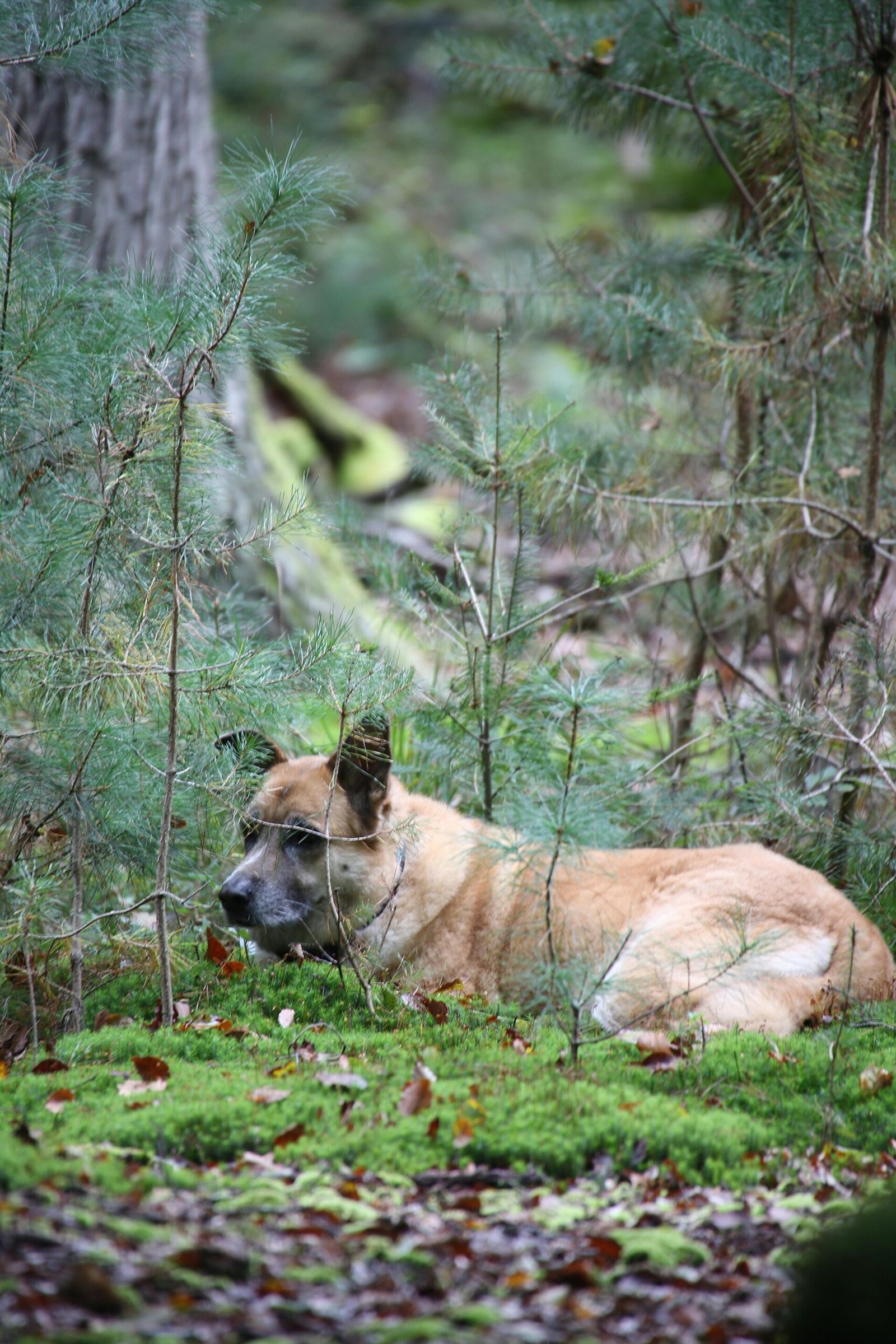

Living in a small space does not mean you have to give up on having a furry or scaly friend. The best pets for small homes are animals that stay happy, healthy, and quiet without needing a massive yard to run around in. You can easily create a cozy home for the right companion, even in a tiny studio apartment.
If you want a low-stress pet for a compact space, focus on animals with lower energy levels or small space needs. Cats, small dog breeds, indoor rabbits, guinea pigs, and gentle reptiles can all thrive in smaller homes. The key is picking a pet that matches your daily schedule, noise limits, and available floor space.
What Makes an Animal Great for Small Spaces?
Space is not just about square feet. It is also about how an animal uses that room. A high-energy dog might feel trapped in a small room, while a lazy adult cat sees a cozy sofa as absolute perfection. You want a pet that feels safe and comfortable indoors.
Noise level is another huge thing to keep in mind. If you share walls with neighbors, a pet that barks or screams all day will cause big problems fast. Low-noise animals keep your home peaceful and your neighbors happy. My friend Sarah lived in a 400-square-foot home with a quiet, adult cat for five years without a single complaint from the landlord.
Cleanliness matters a lot in close quarters. Pet smells build up much faster in small rooms. Picking a pet that uses a litter box, a small cage, or a set tank makes daily clean-up simple and fast. If you want to check on how your feline friend is feeling in your cozy space, look for Signs Your Cat Is Happy and Thriving at Home to ensure they feel comfortable.

Cats Are Natural Fit for Apartment Living
Cats are easily among the top choices for small spaces. They do not need a yard because they run, jump, and play inside your home. A simple cat tree near a window gives them a front-row seat to the outside world without taking up much room.
Adult cats spend up to 16 hours a day sleeping. They love quiet napping spots like sunny window sills, soft chairs, or even elevated shelves. According to information about the domestic Cat, these animals have lived alongside humans in indoor environments for thousands of years. They naturally adapt well to contained rooms as long as you give them toys and attention.
You can make vertical space work for you. Put up a few wall shelves or buy a tall, skinny scratching post. This gives your cat extra room to climb without stealing your floor space. Remember to scoop the litter box every single day. In a small space, a clean box keeps your whole home smelling fresh.
Small Dog Breeds That Love Indoor Life
Can you keep a dog in a small home? Yes, you absolute can. But you need to choose the right breed and commit to daily outdoor walks. The size of the dog matters, but their energy level matters even more.
Some small dogs have huge energy, while others are total couch potatoes. Here are a few breeds that naturally do great in compact spaces:
- French Bulldogs: They are quiet, compact, and love sleeping on the couch. They need just a couple of short walks a day.
- Pugs: Gentle and silly, pugs are happy spending hours right beside you on the sofa.
- Cavaliers: These sweet dogs love human lap time and do not make much noise.
- Basset Hounds: Even though they are medium-sized, their super low energy makes them great indoor nap buddies.
Even tiny dogs need outdoor exercise to stay healthy and stretch their legs. Taking your dog for two 20-minute walks each day keeps them calm indoors. If your dog seems overly sleepy, stops eating, or acts completely out of character, take them to see a vet right away to rule out any health problems.
Small Pets That Live in Cages or Enclosures
If you want a pet that does not roam free through your home, pocket pets are fantastic choices. These animals live inside dedicated cages or tanks, which makes keeping your space organized very easy.
Guinea pigs are warm, social, and fun to watch. They need a flat cage that is at least 7 square feet, which easily fits on a low table or desk. They make sweet squeaking sounds when they see you holding fresh leafy greens. Keep them in pairs, because a single guinea pig gets very lonely on its own.
Rats are another amazing option that many people skip over. Domestic rats are clean, super smart, and very friendly. They love learning tricks and sitting on your shoulder while you watch TV. A tall wire cage takes up very little floor space while giving them plenty of levels to climb.
Hamsters are ideal if you want a pet that takes up almost no space at all. A single hamster needs a secure cage with a solid running wheel and deep bedding for digging. They are nocturnal, so they will be awake and active right when you get home from work in the evening.
Reptiles and Fish for Peaceful Homes
Do you want a quiet, beautiful pet that needs no outdoor walks at all? Scales and fins might be the perfect path for your small space lifestyle.
Leopard geckos are wonderful beginner reptiles. A single adult gecko lives comfortably in a 20-gallon glass tank. They do not drop hair, they make zero noise, and they only eat a few times a week. Watching them hunt small crickets is always entertaining.
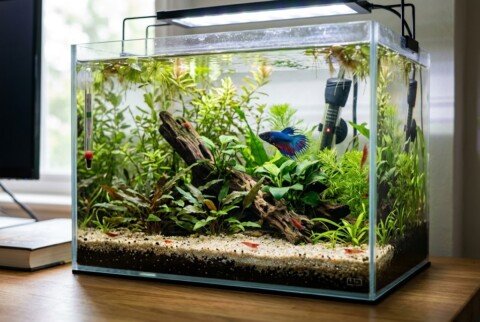
A small freshwater fish tank brings instant calm to a small room. A 10-gallon planted tank with a single colorful Betta fish and a few snails looks beautiful on a sturdy shelf. You do not need a huge aquarium to enjoy the fun of fish keeping.
Make sure you check your tank lights and heaters regularly. Reptiles and fish count on you to keep their water and air at the right temperatures. If your fish stops swimming normally or your gecko refuses food for more than a few days, call a specialized exotics vet for clear advice.
How Do You Keep a Small Home Clean with Pets?
Keeping your home clean is the main challenge when space is tight. Pet dander, stray hair, and litter dust pick up fast in small rooms. Luckily, a simple routine makes this totally easy to manage.
Brush your pet twice a week to catch loose fur before it falls on your rugs. A simple vacuum with a good air filter keeps carpet dust low. Set up your pet’s eating area on a washable plastic mat so food spills stay off your floor.
Air movement is your best friend in a small apartment. Open windows when the weather is nice, or use a small air purifier near the litter box or animal cage. This keeps the air smelling crisp and clean all year long. To learn more about picking the best companion for your home size, check out our guide on finding a great pet for your home.
How Much Time Do You Have for Care?
Before you adopt any animal, take a clear look at your daily schedule. Small pets still need regular daily care, love, and attention. A tiny dog needs walks rain or shine, while a hamster just needs fresh food, clean water, and cage spot-checks.
Think about your budget too. All pets need quality food, clean bedding, toys, and routine check-ups. Set aside a small medical fund for unexpected trips to the clinic. Knowing you can cover their care gives you true peace of mind.
Every animal has its own personality, so take your time meeting a few pets at your local shelter. Bring your family or housemates along to see who clicks with you. Finding the right match makes small space living a joyful experience for both you and your new animal friend.
Which small pet sounds like the best fit for your home and lifestyle?




How to Care for a Parrot: Daily Routine and Health - Pet Guide Hub
[…] Best Pets for Small Homes: Top Animals for Apartment Living […]