
Puppies bring wild energy and pure love into your house, but they also pee on your rugs. You can fix bad habits early if you start teaching your new dog on day one. A simple routine turns daily confusion into good manners fast.
To train a puppy at home, you need short practice sessions, great treats, and plenty of patience. Focus on house training, crate comfort, and gentle leash walking before anything else. You will see big changes in just two weeks if you stay consistent every day.
Set Up a Potty Schedule That Works
Potty accidents happen when a young dog gets too much freedom too soon. A eight-week-old pup can only hold its bladder for about two hours. If you wait longer, you are setting your floor up for a mess. Take them outside the second they wake up, right after meals, and after wild play sessions.
Pick one quiet spot in your yard for potty time. Take your pup there on a lead and say a word like “go potty” in a soft voice. Stand still and let them sniff. When they finally go, praise them like they just won a prize and give them a small bit of cooked chicken. If you want to keep your furry friend safe as they explore, read our main pet care guide for home safety tips.
Keep a simple notebook near the back door for the first week. Write down the exact times your pup eats, sleeps, and pees. You will quickly spot a clear pattern. Most pups need to go about fifteen minutes after eating their morning bowl of kibble. If an accident happens inside, clean it up with an enzyme spray. Never yell or push their nose in it. That only makes them afraid of you, which slows down your progress.
Make the Crate a Happy Safe Spot
Crates are not tiny jails for dogs. A safe box acts like a quiet cave where a tired dog can sleep without worries. Wild canines love cozy dens, so your pup naturally wants a dark place to rest. Put a soft blanket inside and leave the wire door wide open during the day.
Drop tiny pieces of cheese near the crate door first. Let your pup walk in and out on their own. Next, toss a treat all the way inside. Once they step in happily, close the door for just five seconds, feed a treat through the bars, and open it back up. Build up that time slowly while you sit right next to them.
My friend Sarah tried this with her young Golden Retriever named Buster. She fed Buster every single meal inside his crate with the door open. In three days, Buster started walking into his crate on his own whenever he wanted a afternoon nap. Never use the crate as a punishment when you get mad. If your pup sees the crate as a happy room, night barking stops much faster.
Teach Sit, Stay, and Come with Treats
Teaching basic words should feel like a fun game for both of you. Keep every lesson under five minutes long because young dogs lose focus very quickly. Five tiny sessions spread through the day work far better than one long hour. Grab a handful of soft, smelly treats before you begin.
To teach “sit”, hold a treat right near your pup’s nose. Move your hand up and back over their head slowly. As their nose follows the food, their bottom will naturally touch the floor. The moment their tail end hits the rug, say “yes!” and give them the food treat. Repeat this five times in a row.
Here are four core words every dog needs to learn early on:
- Sit: Teaches self-control before meals, doors, and greetings.
- Leave it: Stops your dog from grabbing dangerous items off the floor.
- Come: Calls your dog back to you when they run toward trouble.
- Down: Helps a excited pup calm their body on the floor.
When you teach your dog to come when called, run backward a few steps while calling their name in a happy voice. Dogs love to chase moving things. When they reach you, grab their collar gently and hand over a tasty reward. Never call your dog to you to do something they hate, like taking a bath or clipping their nails. Always go get them for those things instead.
Stop Sharp Puppy Biting and Chewing
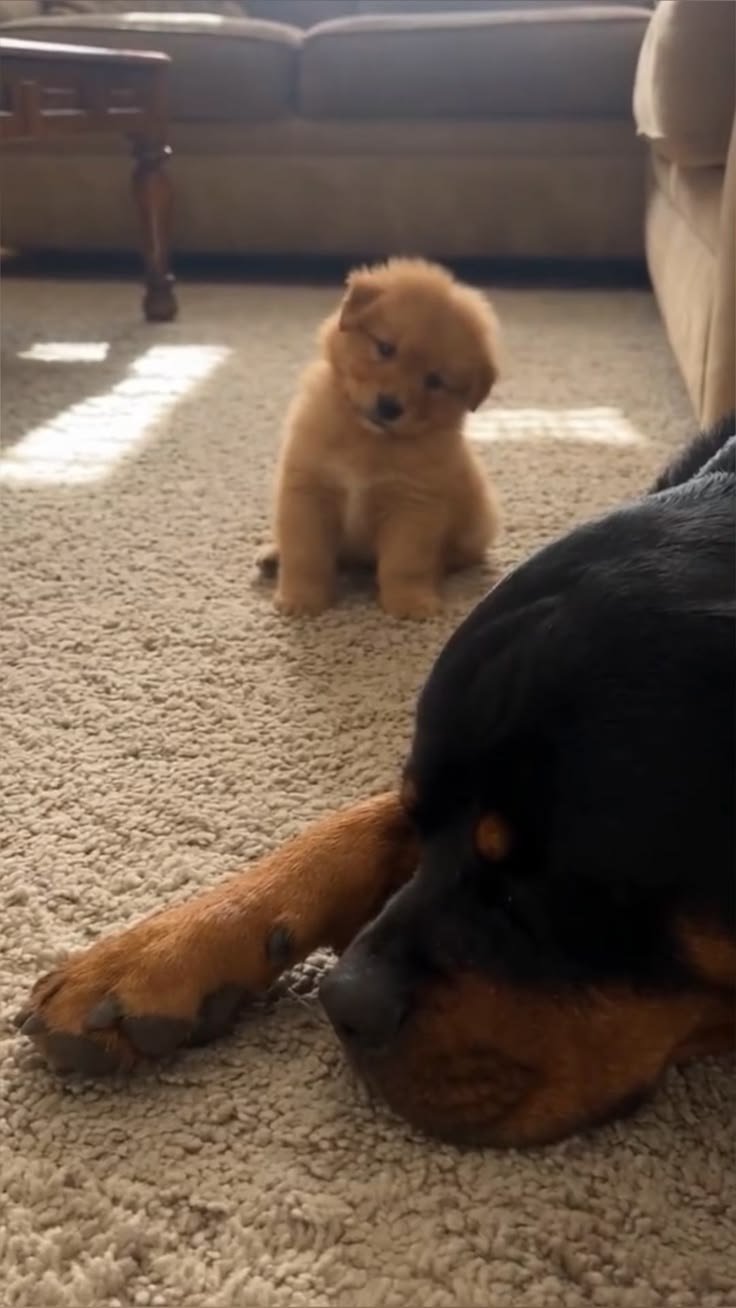
Puppies explore the whole world with their mouths full of tiny, needle-sharp teeth. They do not bite to be mean, they do it because their gums hurt from new teeth coming in. They also bite while playing with their brothers and sisters. You must teach them that human skin is far too sensitive for their teeth.
When teeth touch your skin or clothes, make a soft high noise like “ouch” and freeze completely. Remove your hands and turn your back for ten seconds. If the pup keeps nipping at your socks, walk out of the room and close a baby gate between you. This brief pause shows them that biting stops all the fun play right away.
Always keep a good chew toy in your pocket. When your pup grabs your fingers, gently swap your hand for a rubber ring or a cold chew bone. You can freeze a damp washcloth for them to chew on, which feels great on sore gums. Make sure household items like shoes, cords, and trash cans stay locked away out of reach. Check out this guide on Dangerous foods: What dogs should never eat to stay healthy to keep toxic snacks off your floors.
Help Your Dog Meet New People and Places
Early social time shapes how your puppy acts for the rest of their life. Between eight and sixteen weeks old, their brains absorb everything around them like a sponge. You want them to see new sights, hear loud sounds, and meet friendly humans without getting scared.
Carry your young pup outside to watch the neighborhood before they have all their shots. Let them see garbage trucks, big umbrellas, bicycles, and people wearing hats. Feed them small treats while a loud motorcycle passes by. This links noisy street sounds with good food in their brain. If you want to learn more about how domestic canine behavior develops, you can read about the Dog on Wikipedia.
Never force a nervous dog to approach something scary. If they shrink back behind your legs, step back a few feet until they settle down. Let them look at the object from a safe distance while you talk softly. Good social practice is not about meeting fifty dogs a day. It is about having calm, positive moments with the world around them.
Keep Walking on a Leash Fun and Easy
Walking on a strap does not feel natural to a young dog. Their natural pace is fast and bouncy, so following a slow human feels strange at first. Put a light chest use and short lead on your pup inside your house for a few minutes each day. Let them drag it around while you play with toys.
Once they ignore the trailing leash, hold the handle and walk around your living room. When your pup walks right beside your leg without pulling, drop a treat right by your heel. If they pull hard toward the couch, stop dead in your tracks. Become a tree trunk and do not move a single inch. The moment the leash goes slack, step forward again.
Your pup will learn that pulling stops the walk, while a loose leash lets them move forward to smell things. Keep outdoor walks very short at first. A ten-minute walk around one block is plenty of work for a young pup’s growing joints. Watch their legs for tiredness or limping after every walk.
When to Call Your Vet for Help
Sometimes routine training hits a sudden wall because your pup feels sick or hurts inside. A house-trained pup that suddenly pees every twenty minutes might have a urinary tract infection. Aggressive growling over food bowls can mean pain or deep fear that needs professional eyes. A gentle visit to your local vet rules out body pain before it turns into a hard behavioral problem.
Vets also help you set up a safe shot schedule so your pup can meet other pets outside. If your dog seems overly fearful, hides under couches for hours, or stops eating meals, reach out to your vet right away. They can connect you with a positive reinforcement dog trainer near you. Working with an expert early saves you months of stress later on.
Teaching a pup takes time, love, and many small steps every single day. Celebrate the small wins, like a clean floor or a quiet hour in the crate. Which simple skill will you work on with your puppy today?