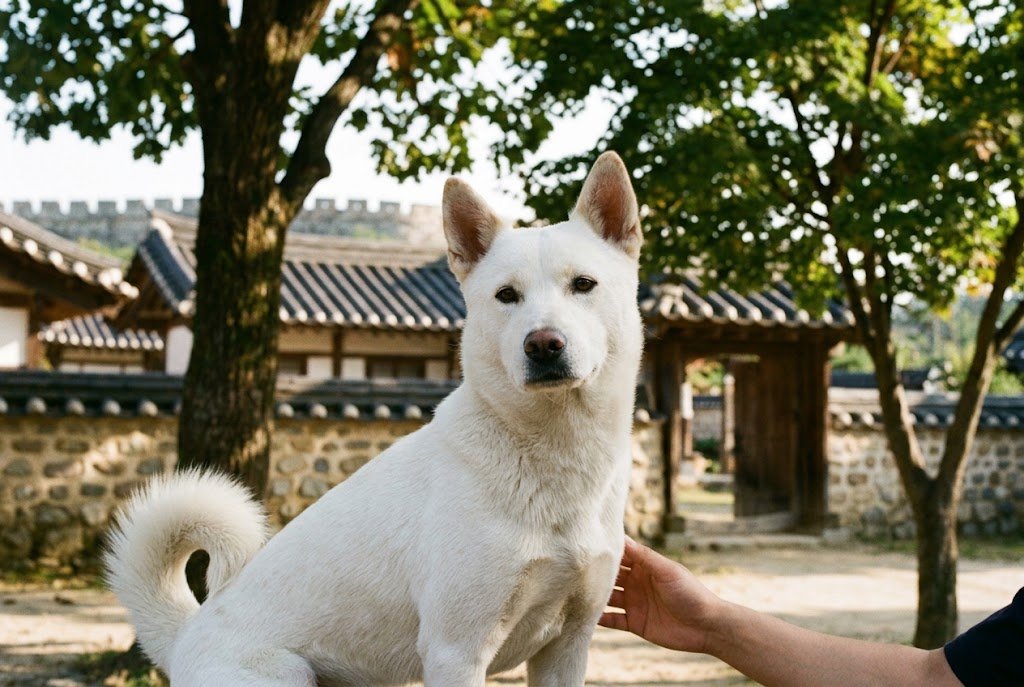
Everyone knows that the Korean Jindo is loyal, smart, strong, self-possessed, and a tight-bonding canine. It is native to Jindo Island in South Korea. It evolved originally as an instinctive hunting and companion dog with incredible endurance. Now, the Korean Jindo is still prized for its watchfulness and self-sufficient spirit.
Medium-build dogs with dense double coats. They are able to develop deep connections with those they trust. They are also usually wary of strangers. They are an independent breed, and that independence makes training different from a super eager breed. The right owner can turn a Jindo into an amazing companion!
Breed History
The temperament of the Korean Jindo dates back centuries on the Jindo Island in Korea. These dogs were prized for hunting and protection by local peoples. Those natural talents came along with generations of hard work. It was expected of them to remain vigilant and respond promptly when tracking or defending property.
They have become a major part of Korean cultural history. In 1962 the Korean government designated the (Korean) Jindo as one of Korea’s natural treasures. The official recognition of the breed came subsequently via international kennel organizations. It retains a history tied to the ways of Korean culture and village life.
The Jindo were prized for their loyal memory and ability to navigate difficult terrain. Their background in hunting informed their independent thinking as well. These characteristics are easily observed in modern dogs. Change in ownership and future day owners should understand this history because it will explain most of the majority of the breeds’ behavior.
Physical Traits
More About Korean Jindo The medium-sized athletic build of a Korean Jindo These usually have a wedge-shaped head and upright, triangular-shaped ears. A lot of times they have an alert with a focused look in the eyes. When relaxed or in action, their tail is held over the back or to one side.
It has a thick double coat to protect it from various weather conditions. The fur can be several different colors, white and red being the most common. Recognized colors also include black and tan and gray and brindle. The coat texture between individuals might be somewhat different. There is an interesting thing that you should know about the Jindos, which gets strong without appearing bulky. They are physically built for running and physical activity.
Personality Traits
Korean Jindo are known to be loyal to their family. Its behavior can form close bonds with its primary caregivers. Several Jindo’s have a tendency to like hanging around individuals they trust while maintaining their very own independence. A social dog should be one that can still react in a calm manner but also will (naturally) alert when something new approaches. Another trait in their personality is their intelligence.
Loyalty and Trust
A Korean Jindo absolutely requires trust. This breed has a tendency to not take strangers at face value. It requires time to get familiar with people whom you normally do not know. The relationship can get very tight once trust gets established.
Jindos tend to be very territorial when it comes to taking care of their home and family. They are very alert and listen to odd sounds and movement. Not every Jindo is going to react the same way. Temperament is driven by genetics and early experiences. Good experiences can help to boost confidence and promote better communication between the dog and family.
Training Basics
A Korean Jindo should be trained early on. Focus on house and basic commands for puppies Puppy Training Basic commands will be sit, stay, come, and leash walking. By keeping things moving with short sessions, it helps keep attention troops set and marching in the right direction without causing frustration.
Jindo often respond to incentives and clear directions. Food rewards can be used successfully in learning. Praise and play are other methods that help to praise the behavior you’d like. It means that training should be done uniformly across all the members of the household.
| Topic | Key Information |
| Korean Jindo History | A traditional Korean breed known for its hunting ability and strong loyalty |
| Origin | Jindo Island in South Korea |
| Personality | Loyal independent alert intelligent and devoted to family |
| Temperament | Often reserved with strangers while remaining affectionate with trusted people |
| Training | Responds well to consistent positive training and clear routines |
| Exercise Needs | Requires regular walks play and mental stimulation |
| Grooming | A double coat needs regular brushing especially during seasonal shedding |
| Socialization | Early socialization can support confident behavior around people and other animals |
| Daily Care | Balanced nutrition exercise grooming training and routine health care are important |
| Home Life | Can adapt to family living when its physical and mental needs are properly supported |
| Mental Stimulation | Interactive games training activities and problem-solving tasks can help prevent boredom |
| Owner Commitment | Best suited to owners who understand independent working breeds and can provide structure |
Six useful training habits include:
- Start with simple commands
- Keep sessions short and focused.
- Use clear verbal cues.
- Reward calm behavior.
- Practice in different environments
Maintain consistent household rules
Jon: As an example, Jindo does not do anything because they expect to have done a behavior. Understanding the reason why your dog does what they do and ensuring that training is meaningful to them Teaching a reliable recall needs especially patient. It is also important that this breed exists in a secure environment, as they can have strong independent instincts.
Socialization Needs
A Korean Jindo is familiarized with various people, animals, noises, and surroundings through socialization. This should begin in puppyhood whenever possible. Safe exposure can also diminish anxiety and promote confident behavior.
Your Jindo should be gradually introduced to new situations. Swiftly finding oneself in stimulating environments is stressful. During calm introductions, we allow the dog to see things in the manner that it wants and when it’s ready.
Good socialization can include:
- Meeting calm visitors
- Walking on different surfaces
- Hearing common household sounds
- Visiting safe outdoor areas
- Learning calm behavior around dogs
Experiencing gentle handling
Socialization should continue throughout life. Even an adult dog still has room for a good experience. When the dog becomes tentative, owners should observe body language and maintain distance accordingly.
Exercise Needs
The Korean Jindo is a high-energy dog that needs daily exercise. Daily walks are movement and mental stimulation. Playtime, if not supervised or with outside help, can get a little dull for both you and your dog. Exploration of the natural world outside can also provide for that natural sense of curiosity safely.Exercise needs are determined by age, health, and the individual temperament.
Avoid high-impact exercise until the puppy’s body has developed. Gentle movement may be needed for senior dogs. Owners can work with a veterinarian to develop an exercise routine that’s appropriate for their dog away from the vet’s office. Mental activity is equally useful. There are puzzle toys that will assist your canine with utilizing their faculties to carry out a responsibility as well. Training drills can also help mental stimulation. A balanced routine reduces boredom and undesired behavior.
Daily Care
Given a solid daily routine, the Korean Jindo is overall fairly low-maintenance. This dense, double coat must be brushed regularly. Brushing will prevent loose hair and will keep birds clean. During seasonal coat changes shedding can become excessive.
Another grooming aspect is nail care. Movement difficulty & cumbersome feel from long nails. Skin conditions and paw health also require the owner’s attention. Veterinary attention should be sought for any abnormal changes.
Feeding and Nutrition
Korean Jindos require a nutritionally complete diet appropriate to the age, size, exercise level, and health status. They need nutrition that will help them develop into a healthy adult dog. Adult dogs require food that supports energy and body maintenance. Senior dogs, however, are subjected to specialized nutritional needs.
Make sure to provide drinking water at all times. No massive changes to the diet should be made abruptly. To decrease digestive upset, a gradual transition is best. Allergies or other dietary conditions require a vet guideline where an adequate feeding plan and diet can be achieved. [2]
Home Life
- Family Environment
A Korean Jindo can thrive in a home setting as long as you meet their needs on both a physical and mental level. They enjoy the company of trusted family and can get quite attached to people they have got to know well. Creating structure and rules at home in a steady environment may help them to feel safe.
- Safe Living Space
Korean Jindo will also require a secure place to live. Outdoor areas should be properly fenced, as this breed can be curious and independent. Regular exercise can keep the dog busy without inviting unsafe wandering. Providing a plush resting area can also offer the Jindo a quiet place of retreat.
- Personal Space
Korean Jindos usually prefer a bit of personal space. They may also relish moments of calm after exercise or family activities.
Dogs and Other Pets
Being a hunting breed, Korean Jindos may possess high prey drives. This might help when dealing with smaller animals. Every dog is different, and owners should evaluate the temperament of their pack members.
Socialization from an early age can help interact better with other dogs. When adding an animal to your home, introductions need to be controlled. Supervise initial meetings and facilitate contact where possible, but never force it.
A few Jindos can cohabit with another pet household station. Others may require careful management. In all cases where animals are indicated to be giving behavior suggesting they are stressed or conflicted, safe separation must always be available.
Health and Lifespan
The Korean Jindo is typically a hardy breed. Responsible care helps maintain health and activity. The individual dog can certainly differ, but they usually live anywhere between 12 and 15 years. Regular veterinary check-ups, vaccinations, and treatments promote prevention or early diagnosis of health conditions. It should be done following guidelines provided by a vet in case of vaccinations and parasite prevention.
Long-term well-being also lies in dental care and geriatric institutionalization and the maintenance of a healthy weight, and you trained upon data up to 2023-10. Look for changes in appetite, energy movement, skin, and behavior as well. If you notice a change too fast, those may signal an issue. When the SYMPTOM is only found extremely infrequently and when animals are usually still quite young, it is wise to follow up with some veterinary advice if strange symptoms occur or even just last longer than normal.
Final Thoughts
In a nutshell, the Korean Jindo requires proper care and must be chosen wisely. That dog could be faithful, smart, and free-minded. This makes for a fulfilling companion to an owner who understands its temperament and provides consistent care. Those who are looking to adopt should seek out a good breeder or a responsible rescue group. It helps when the health record and temperament are known when choosing a dog. Getting to meet the dog in person can also be a handy indication of its behavior.
A Jindo is an independent dog, and they are not overly needy, but you will need to consider your lifestyle before bringing one home. Think of exercise needs and production requirements. Additionally, assess if you are able to offer care for the long term and veterinary care attention when needed. When their needs are met, a Korean Jindo can easily become a devoted family member. Consequently, its history has produced a breed with robust instincts and an assertive attitude. When properly socialized, a dog can act better. Consistent training can build communication. Exercises and grooming help in maintaining physical health.
FAQ
Learning about Korean Jindos as Family Dogs
When well trained and socialized, a Korean Jindo could be loyal family companions. This breed tends to form a bond with family members at home that it trusts. Given its independent personality, it might require an owner who is well versed in its way of communicating.
Are Korean Jindos easy to train?
The Jindo from South Korea is an intelligent canine that will understand many commands. Training may be challenging given their independent personality. Great practices with a routine that promotes consistency, and positive reinforcement can help.
How much exercise do Korean Jindos need?
Korean Jindos are energetic dogs who thrive with regular exercise. They require exercise, easily provided through daily walks and play. Mental stimulation is also handy since these dogs are adaptive problem solvers.
Do Korean Jindos shed a lot?
They have dense double coats and can drool significantly throughout the process. When the seasons change, shedding may become heavier at certain times of year. The coat will need some regular brushing to keep the dead hair out of things.
Are Korean Jindos good with other pets?
A few Korean Jindos are capable of cohabitating with other animals. This history of hunting gives them a very strong prey drive. Introduce to other animals carefully and supervise.