
Living in a small apartment does not mean you have to give up on the joy of having a pet. Many animals thrive in compact spaces as long as they get the right love and care from their owners. You just need to match the animal’s energy level and needs to the size of your living room.
The best pets for small homes are often those that do not need a big yard to run in or a lot of heavy gear. Cats, small dogs, and even tiny critters like hamsters can be perfectly happy in a one-bedroom flat. It all comes down to how you set up their space and how much time you spend with them every day. If you pick a pet that fits your floor plan, you will both be much more relaxed.
Choosing the right cat for a small apartment
Cats are famous for being great apartment pets because they love to use vertical space. A cat does not see a small room as tiny if there are shelves, cat trees, and window sills to climb on. They enjoy looking down at their kingdom from a high spot, which makes a small floor plan feel much bigger to them. My friend Sarah lives in a studio and her cat, Jasper, is the happiest guy because he has a tall tower by the window.
Some cat breeds are calmer than others, which is helpful when space is tight. Ragdolls and Persians are known for being “couch potatoes” who would rather nap than zoom around at midnight. However, even a high-energy cat can work if you provide enough toys. You can find more tips on keeping your indoor friends happy by learning how to keep pets cool in summer and stay safe in the heat when your apartment gets sunny. Keeping the air moving is just as important for a cat as it is for you.
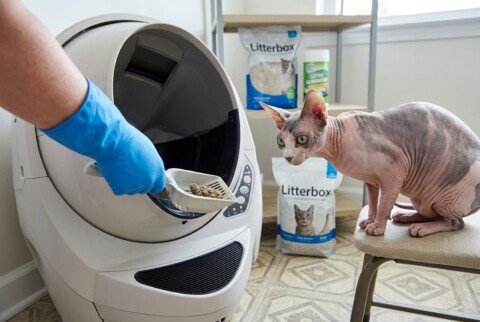
Remember that litter boxes take up space and can smell in a small home. Many owners put them in the bathroom or use furniture that hides the box inside. You should scoop it every single day to keep the air fresh. If your cat stops using the box or seems stressed by the small space, it is a good idea to see a vet to make sure they are healthy. A quick check-up can rule out any bladder issues caused by stress.

Small dogs that love indoor living
You might think all dogs need a big backyard, but many small breeds are very happy indoors. Dogs like the French Bulldog, Pug, and Cavalier King Charles Spaniel are often called “lap dogs” for a reason. They have lower energy levels and are usually quiet, which your neighbors will appreciate. I once lived next to a Pug named Otis who spent most of his day snoring on a tiny balcony.
Even though they live in a small home, these dogs still need to go for walks. A walk is not just for potty breaks, it is for their brain to stay busy. Taking your Dog for a twenty-minute stroll twice a day is usually enough for these smaller breeds. It lets them sniff the world and stretch their legs before coming back to their cozy bed. If you have a very active small dog, like a Jack Russell, you will need to spend more time playing fetch in the hallway.
Training is also vital when you live close to other people. A barking dog can be a problem in an apartment building. Working on simple commands like “quiet” or “stay” helps your dog feel calm and confident. You can find great advice on our pet guide hub about training and general care for your furry friends. A well-behaved dog makes apartment life much easier for everyone involved.
Small animals that live in cages
If you really lack floor space, a pet that lives in a cage or tank might be the best choice. Hamsters, guinea pigs, and rats are wonderful companions that only take up a small corner of a room. Rats are actually very smart and can learn tricks, almost like tiny dogs. My cousin had a rat named Pip who would sit on his shoulder while he did homework.
Guinea pigs are lovely because they make cute squeaking noises when they see you. They do need a bit more space than a hamster, so a long cage on a sturdy table works best. You must keep their cage very clean, as smells can fill a small room quickly. Bedding should be changed at least once a week to keep the animal healthy and your home smelling good.
Rabbits are another option, but they actually need more space than people think. Many rabbit owners let their bunnies roam free in a “bunny-proofed” room. This means hiding all electrical cords because rabbits love to chew. If you cannot let them roam, a very large exercise pen is better than a small cage. Always watch their teeth and eating habits, and see a vet if they stop eating for even one day.
Fish and reptiles for quiet homes
Fish are the ultimate space-savers and can be very relaxing to watch after a long day. A small tank with a Betta fish is a classic choice for a desk or a kitchen counter. Bettas are colorful and have big personalities for such small creatures. Just make sure you get a tank with a filter and a heater, as they need warm water to stay healthy.
Reptiles like Leopard Geckos or Crested Geckos are also great for small homes. They live in glass tanks that sit on a dresser or stand. They don’t make any noise and they don’t have fur, which is great if you have allergies. A gecko can live for ten to twenty years, so they are a long-term friend. You will need to learn about heat lamps and special lights to keep their bones strong.
While fish and reptiles don’t bark or scratch the sofa, they still need specific care. Their water or tank temperature must be just right. If your fish looks dull in color or your gecko isn’t eating, talk to a vet who knows about exotic pets. It is better to ask for help early than to wait until they are very sick. Even a tiny Pet deserves the best medical care you can give them.
How to make your small home pet-friendly
No matter which pet you choose, you can make your home feel bigger for them with a few tricks. Use your walls by adding floating shelves for a cat to climb. This keeps them off the floor and gives them a safe place to sleep. For dogs, try to keep their toys in a small basket so the floor stays clear for you to walk. Organizing your pet supplies helps the apartment feel less cluttered.
Think about the light and air in your home too. Pets need fresh air and a bit of sunlight to feel their best. If you have a balcony, make sure it is safe with a screen or netting so your pet cannot fall. My neighbor uses a tall baby gate on her front door so she can leave it open for a breeze without her dog getting out. It is a simple fix that makes a big difference in a small space.
Lastly, keep a routine that your pet can count on. In a small home, pets notice every move you make. If you feed them and walk them at the same time every day, they will feel much more secure. This reduces anxiety and keeps them from getting into trouble while you are away. A happy pet is a calm pet, and a calm pet is the best kind to have in a small home.
Do you think a small pet would fit into your current living space? Sometimes the smallest friends bring the biggest joy to our lives.