
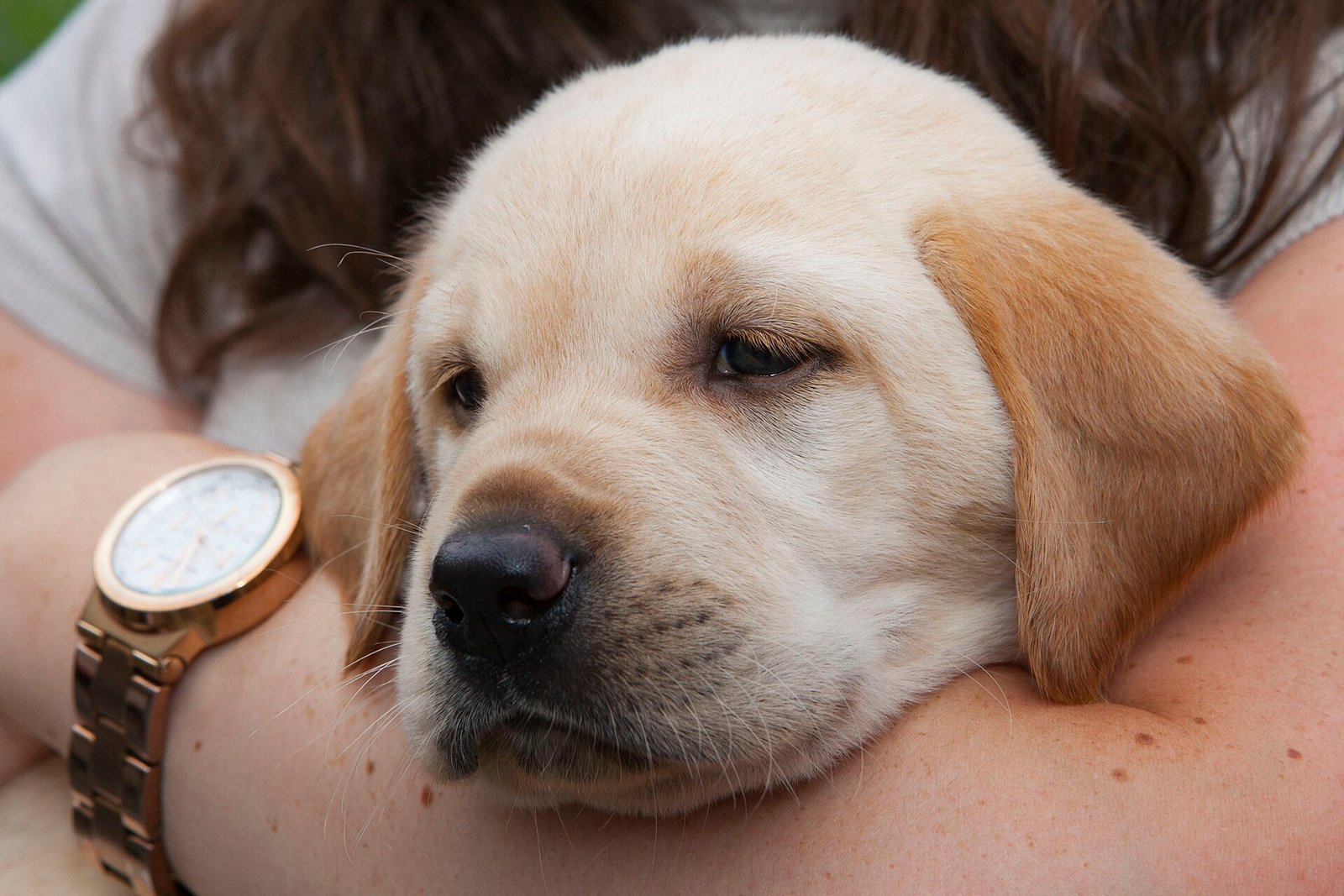

Puppies bring so much joy into a home, but they also bring chewed shoes and surprise puddles on the rug. You can train your puppy right in your living room using small, kind steps every single day. You do not need expensive gear or hours of free time to get great results.
The secret to training a young dog at home is starting early, staying consistent, and using simple rewards. Focus on house training first, teach basic safety words like sit and stay, and always stop bad behaviors before they turn into hard habits. With a little patience, your soft little chaotic ball of fur will grow into a calm, polite family member.
Setting Up Your Home for Easy Puppy Training
Before you bring your new pet into the house, set up one small space just for them. Use a baby gate to keep them in the kitchen or a room with easy-to-clean floors. Put down a soft dog bed, a bowl of fresh water, and a couple of safe chew toys like rubber rings. This helps your pup feel safe instead of overwhelmed by a huge house.
Keep your home quiet during the first few days. Puppies get tired very quickly, just like human babies. A tired puppy gets cranky and is much more likely to bite your fingers or pee on the floor. Give them a quiet spot to rest every two hours so their brains can process everything they learned.
Set a strict daily timeline for meals, potty breaks, and play. Feed your puppy at the exact same times every morning, noon, and evening. When a puppy eats on a schedule, their body poops on a schedule too. This simple routine cuts your house training time in half because you always know when they need to go outside.
You can also check out our complete guide on How to Care for a Parrot: Daily Routine and Health if you love learning about setting up daily routines for domestic animals.

How to House Train Your Puppy Without the Stress
House training takes time, but it gets easy once you know your puppy’s body signals. Take your puppy outside to the exact same spot in the yard every hour on the dot. Take them out the second they wake up from a nap, right after they eat, and after five minutes of hard play. When they go potty outside, throw a tiny party. Speak in a happy voice and hand them a piece of kibble within two seconds.
Accidents are going to happen, and that is totally okay. If you catch your puppy peeing inside, make a quick sound like “oops” to startle them gently, then scoop them up and head straight outside. If you find a puddle later, just clean it up with an enzymatic cleaner. Never yell at your puppy or push their nose into a mess. That only teaches them to hide from you when they need to go.
Keep a small notebook near the back door for the first two weeks. Write down the time your puppy eats, drinks, pees, and poops. By day four, you will see a clear pattern. My friend Sarah did this with her golden retriever pup, Max, and discovered he always needed to pee exactly eleven minutes after drinking water. That little note saved her living room rug from total destruction.
Teaching Sit, Stay, and Come with Positive Rewards
Teaching basic words should feel like a fun game for both of you. Keep every training session very short, lasting only two to three minutes at a time. Young puppies lose focus fast, so it is better to do five tiny sessions a day than one long hour. Grab a handful of your puppy’s regular kibble or soft, low-calorie treats before you start.
To teach “sit”, hold a treat right in front of your puppy’s nose. Slowly move the treat up and back over their head. As their nose follows the food, their butt will naturally touch the floor. The moment their bottom hits the ground, say “yes!” and give them the treat. Practice this five times in a row, then stop and play tug with a rope toy.
To teach “come”, start inside a quiet room with zero distractions. Back away two steps, drop down on one knee, and call your puppy’s name in an excited tone. When they run over and touch your hand, give them a tasty reward and tons of praise. Never call your puppy to you to scold them or cut their fun short, or they will learn to run away instead.
Always practice these new skills in different areas of your house. A puppy might learn to sit perfectly in the kitchen but act like they forgot everything when you move to the hallway. Moving around helps their brain understand that your words mean the exact same thing everywhere you go.
How Do You Stop Puppy Biting and Chewing?
Puppies use their mouths to learn about the world, much like human babies use their hands. Their baby teeth are razor sharp, so a soft bite can really hurt. When your puppy nips your skin or grabs your shirt sleeve, make a soft high-pitched “ouch” sound and freeze completely. Stop moving your hands, turn your body away, and ignore them for ten seconds.
Redirecting is the best way to protect your hands and your furniture. Always keep a toy in your pocket. The moment your puppy opens their mouth to chew your shoes or your chair legs, slide a rubber toy into their mouth instead. Praise them enthusiastically when they chew on the toy. They quickly learn that soft skin ends all the fun, but toys keep the game going.
Teething makes a puppy’s gums sore between three and six months of age. Wet a clean washcloth, twist it tight, and freeze it for two hours. Let your puppy chew on the frozen cloth under your close eye. The cold rubber or ice numbs their sore gums and stops the urge to bite your wood chairs.
If your puppy gets super wild and keeps biting no matter what toy you give them, they are likely overtired. Put them in their quiet crate or pen with a chew bone for an enforced nap. Nine times out of ten, a biting puppy just needs one hour of quiet sleep to reset their brain.
Crate Training Your Puppy the Loving Way
A crate is not a cage or a punishment zone. It is your puppy’s very own private bedroom where they can feel safe when life gets loud. Pick a wire or plastic crate that is just big enough for your puppy to stand up, turn around, and lay down flat. If the crate is too big, they might sleep in one corner and pee in the other.
Make the crate the best place in the house. Drop small treats inside with the door wide open so your puppy walks in willingly to hunt for food. Feed all their main meals right inside the crate. You can learn more about general animal behavior and home setups on our main page for pet care guides and tips.
Never lock a crying puppy inside the crate for long hours right away. Start with just five seconds while you sit next to them on the floor, then let them out before they get upset. Slowly add more time until they can snooze happily for a couple of hours while you work in the next room. Always remove their collar before putting them inside so it never gets caught on the wire.
Socialization and Safe Health Care Habits
Socialization means introducing your puppy to new sounds, surfaces, people, and other animals in a safe, fun way. Let your puppy walk on different floor surfaces like wood, tile, soft grass, wet gravel, and metal grates. Play sounds of thunderstorms or car horns on your phone at a very low volume while feeding them dinner so they never grow up scared of loud noises.
Get your puppy used to human hands touching every single part of their body. Touch their ears, hold their tiny paws, open their lips to look at their teeth, and brush their fur every evening. Give them a small treat after every touch. This builds trust and makes future visits to the groomer or vet completely stress-free for everyone.
Keep your puppy safe from scary diseases by keeping them on your own property until they get all their shots. Avoid dog parks, pet stores, and public sidewalks until your vet says it is safe. Puppies need several rounds of vaccines between eight and sixteen weeks of age to protect their weak immune systems from bad bugs like parvo.
Pay close attention to how your puppy acts every single day. If your puppy stops eating, sleeps all day without playing, throws up, or has loose poop for more than twenty-four hours, call your vet right away. Young puppies can get sick very fast, so it is always smart to let a medical expert take a look when something feels wrong.
Staying Patient and Building a Lifetime Bond
Training a puppy at home is a journey full of high points and tricky moments. Some days your puppy will act like a tiny genius who listens to every word. Other days they will forget where the back door is and chew on your favorite book. That is completely normal behavior for a growing baby dog.
Focus on rewarding the good things your puppy does instead of getting upset over small mistakes. Take plenty of photos because this silly baby stage flies by in a flash. What simple trick are you going to teach your puppy today?
TAGS: puppy training, house training puppies, crate training tips, puppy chewing solutions, dog care at home
XPOST: Want a polite pup without spending a fortune? Daily 3-minute lessons at home work better than long training classes. Here is how to start today!

Fun Facts About Cats That Explain Their Weird Habits - Pet Guide Hub
[…] Train Your Puppy at Home: Simple Daily Steps That Work […]