


Learning how to care for a parrot starts with knowing they need as much attention as a young child. These bright, vocal birds can live for decades, but they depend on you for every meal, toy, and clean perch. If you give them the right home and plenty of love, they will become your most loyal friend.
To keep a parrot healthy, give them a large cage with room to flap, feed them fresh vegetables and quality pellets, and let them spend at least three hours out of the cage each day. Clean water and daily interaction keep their minds sharp and their feathers bright. When sudden changes in mood or droppings happen, a quick check with an avian vet will save their life.
Setting Up the Right Cage and Safe Space
Your bird needs room to move freely. A cage should always be wide enough for your parrot to spread both wings fully without touching the metal bars on either side. Tall cages look nice, but parrots fly horizontally. Width and depth matter much more than height.
Place the cage in an active spot in your house, like a living room corner. Parrots are social flock animals. They hate being shut away in an empty spare bedroom. At the same time, keep the cage back from drafty windows and away from direct heating vents. Two solid walls behind the cage make birds feel secure from sneak attacks.
Perches need careful thought. Do not rely only on smooth wooden dowels that come with the cage. These smooth sticks can cause pressure sores on the bottoms of your bird’s feet, a painful condition called bumblefoot. Instead, pick natural branch perches of different shapes and thicknesses. Real wood branches exercise their toes and wear down their nails naturally. For people looking into compact living companions, our guide to the Best Pets for Small Homes: Top Animals for Apartment Living explains how space affects bird choices.
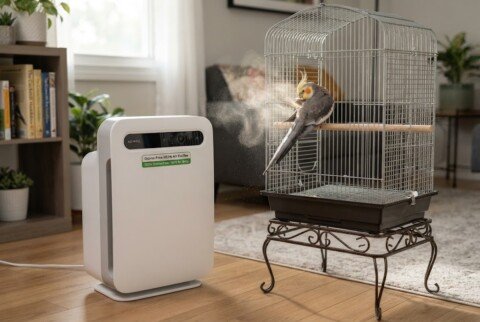
Keep dangerous smells far away from your bird room. Parrots have very sensitive lungs with air sacs that take in gases fast. Non-stick cookware coated with Teflon gives off fumes when heated that can kill a parrot in minutes. Scented candles, air fresheners, incense, and bleach spray are also deadly. If you smell something strong, your bird is already breathing it in. Use plain warm water and white vinegar to clean their perches and cage trays.

What Do Parrots Eat Every Day?
An all-seed diet is a slow death for a parrot. Seeds are loaded with fat and lack vitamin A, calcium, and other basic nutrients. A bird that eats only sunflower seeds will often get liver disease before it turns ten years old. A balanced plate makes all the difference in their lifespan.
Most of their daily food should be formulated bird pellets. High-grade pellets make up about sixty to seventy percent of a healthy bird diet. Pellets ensure your pet does not just pick out their favorite oily bits and leave the good stuff behind. Brands made without artificial dyes or heavy sugars are best.
Fresh vegetables should make up the rest of their bowl. Dark leafy greens like kale, collard greens, and spinach offer great minerals. Chop up broccoli florets, sweet peppers, shredded carrots, and cooked sweet potato. Warm up some plain cooked brown rice or quinoa on cold mornings as a special treat. Offer fruit only in small amounts because the sugar can cause soft droppings. A slice of apple without seeds, a blueberry, or a bit of papaya works well as an afternoon snack.
Some foods must never cross your bird’s beak. Avocado is toxic to birds and can cause heart failure. Chocolate, coffee, alcohol, raw onions, and garlic are equally dangerous. Fruit pits and apple seeds carry small traces of cyanide that harm small bodies. Wash all fresh produce well to remove farm chemicals before you serve it. Toss out any uneaten fresh food after four hours so mold does not grow in the warm air.
How to Care for a Parrot and Keep Their Mind Active
A bored parrot is an unhappy parrot. In the wild, these birds spend hours searching for food, flying miles across trees, and chatting with flock mates. Sitting alone in a quiet cage will drive them crazy. This boredom leads to loud screaming, pacing, and feather plucking.
Toys are basic equipment, not optional extras. Parrots need to chew wood and shred paper every single day. Give them soft pine blocks, wicker balls, cardboard egg cartons, and paper rope to tear apart. Swap toys out every week so the cage feels new. If your Amazon parrot or conure destroys a wooden block in two days, celebrate. That means the toy did its job and kept their busy beak off their own feathers.
Teach your parrot to forage for meals. Do not just fill a bowl to the brim. Hide a few nuts inside twisted brown paper bags. Push pellets into safe pine cones. Cover the food cup with a piece of coffee filter held on with a paper clip so your bird has to tear the top off to eat. Working for food keeps their brain active and mimics wild habits.
Out-of-cage time is vital for their muscles. Set up a simple play stand in the living room with toys, ropes, and a treat cup. Let your parrot climb, flap, and sit with you while you fold laundry or read a book. Parrots love being part of your routine. Talk to them in a calm, cheerful voice. When you respect their natural habits as a smart Pet, you build deep trust that lasts for decades.
Gentle Handling and Simple Training Steps
Biting is how a parrot says no when humans ignore softer hints. When a parrot leans away, pins its eyes, puffs its neck feathers, or flares its tail, step back. Forcing your hand into their chest will only teach them that your hand brings stress. Trust takes weeks to build, but you can break it in seconds.
Start with the basic step-up cue. Hold a favorite treat, like a sunflower seed or a piece of walnut, in one hand. Place your other hand flat like a steady branch just in front of your parrot’s belly. Show the treat so they have to step onto your fingers to reach it. Say step up in a light voice the moment both feet land. Praise them warmly and hand over the nut right away. Practice this for three minutes, two times a day.
Never hit a bird, shake them, or yell when they misbehave. Parrots love drama. If your cockatoo screeches and you run into the room shouting, they think they just won a fun game of loud noises. They will do it again to get that big reaction. Instead, ignore unwanted noise by walking away quietly. Return and give treats only when the room is calm and quiet. You can find more helpful pet guidance on our pet safety and care guides site.
Bathing, Sleep, and Daily Grooming
Clean feathers keep birds warm and let them move freely. Most parrots love water once they get used to it. Offer a shallow dish of cool water on the cage floor, take them into the bathroom while you run a steamy shower, or mist them lightly with a plant spray bottle. Never spray water right into their face. Aim the mist up in the air so it falls softly like rain. Do this two or three times a week so their skin stays moist and dust stays low.
Parrots need ten to twelve hours of dark, quiet sleep each night. Tropical birds evolved near the equator where the sun sets at the same time year-round. If your parrot stays up late watching television with you, they become tired, moody, and prone to hormonal aggression. Cover the cage with a dark, breathable cotton sheet when night comes. If your living room is noisy, move your bird to a smaller sleeping cage in a quiet room at bedtime.
Keep their nails trimmed so they do not catch in clothes or cage bars. If you hear loud clicking when your parrot walks across a flat table, their nails are too long. Trimming requires care because each nail holds a blood vein called the quick. Keep cornstarch or styptic powder on hand just in case a nail bleeds. If you feel nervous, have a trained groomer or vet clinic show you how to hold the foot safely first.
Spotting Illness and Knowing When to Call a Vet
Birds hide their sickness. In nature, a bird that acts weak or sick gets picked on by flock mates or caught by predators. By the time a parrot looks sick to your eyes, they have likely been sick for several days. Waiting to see if things get better on their own is very risky.
Check the bottom of the cage every morning when you change the paper liner. Healthy droppings have three parts: solid green or brown fecal matter, white pasty urates, and clear liquid urine. Loose, watery droppings, yellow urates, or whole undigested seeds in the waste are clear red flags. If you notice any of these signs, something is wrong in the gut.
Watch your parrot’s posture and breathing. A sick bird will sit fluffed up on two feet on the cage bottom, sleep during midday, or bob its tail up and down with every breath. Wheezing, clicking sounds from the nostrils, crusty eyes, and vomiting are medical emergencies. Take your parrot to an experienced avian veterinarian right away if you spot these signs. A standard dog and cat vet often lacks the special tools and medicine doses needed for delicate bird bodies. Schedule a routine wellness visit once a year so your vet can weigh your bird and catch tiny changes before they turn dangerous.
Caring for a parrot takes patience and real work every day, but the bond you get in return is unlike any other pet relationship. Clean their bowl, offer a fresh toy, talk to them when you walk past, and watch their personality shine. What new healthy vegetable will you chop up for your feathered friend tonight?


Train Your Puppy at Home: Simple Daily Steps That Work - Pet Guide Hub
[…] How to Care for a Parrot: Daily Routine and Health […]