

Dogs will try to swallow almost anything that falls on the kitchen floor. A dropped piece of food can vanish in less than two seconds flat. Knowing what dogs should never eat keeps your best friend out of the emergency clinic and safe at home.
The short answer is simple. Keep chocolate, grapes, onions, garlic, xylitol sweetener, cooked bones, and coffee far out of reach. If your pup ever eats one of these items, call your vet right away. Quick action saves lives when a pet eats something dangerous.
Dangerous Kitchen Foods That Can Harm Your Dog
Kitchen counters hold many treats that humans love but pets cannot touch. Chocolate tops the list of foods to hide away. Dark baking chocolate packs the biggest danger, but even plain milk chocolate causes severe tummy trouble, fast heart rates, and dangerous tremors. A small dog named Toby once ate half a bar of dark chocolate, and his owner had to speed to the clinic within an hour to get help.
Grapes and raisins look harmless, but they can stop a pup’s kidneys from working. Scientists still do not know the exact reason why, but even one raisin can make a small dog sick. Keep fruit bowls high up on the counter where no jumping paws can reach them.
Onions, garlic, chives, and leeks destroy a dog’s red blood cells over time. It does not matter if they are raw, baked, or powdered in a soup mix. Garlic powder hides in many human foods like pasta sauce and pizza crusts, so sharing dinner scraps is rarely a good idea.
Artificial sweeteners pose another huge threat. Xylitol, often listed as birch sugar, sits inside sugar-free gum, peanut butter, and baked goods. It drops a dog’s blood sugar to unsafe levels in 15 minutes. Always read your peanut butter label before smearing some inside a chew toy. If you suspect your dog ate these items, check What Dogs Should Never Eat to Keep Your Pup Safe for more detailed guidance on kitchen hazards.

Sweets, Drinks, and Pantry Items to Keep Away
Morning drinks can make your pet very ill. Coffee beans, ground coffee, and energy drinks contain high levels of caffeine. A dog’s heart sensitive system cannot handle caffeine at all. They get restless, start panting, and can suffer from a fast heartbeat. Keep your morning cup high on a desk or table where a wagging tail cannot knock it over.
Alcohol affects a pet much faster than a human. Even a small spill of beer, wine, or liquor can make a dog trip, vomit, or go into a coma. Yeast dough for bread acts in a similar way. Unbaked dough rises inside a warm dog stomach, releasing gas and alcohol that cause intense pain and swelling.
Macadamia nuts are another sneaky pantry danger. Eating just six or seven raw or roasted nuts can make a pup lose control of their back legs. Their legs get weak, they start to shake, and their bodies get warm. The good news is that most dogs recover with vet care, but it is a scary night for any owner.
Salty snacks like chips and pretzels can trigger extreme thirst and sodium poisoning. When a dog eats too many salty treats, they might start drinking water constantly or throw up. Stick to plain, approved treats from the store instead of sharing your movie night snacks.
Bones, Fat Trimmings, and Table Scraps
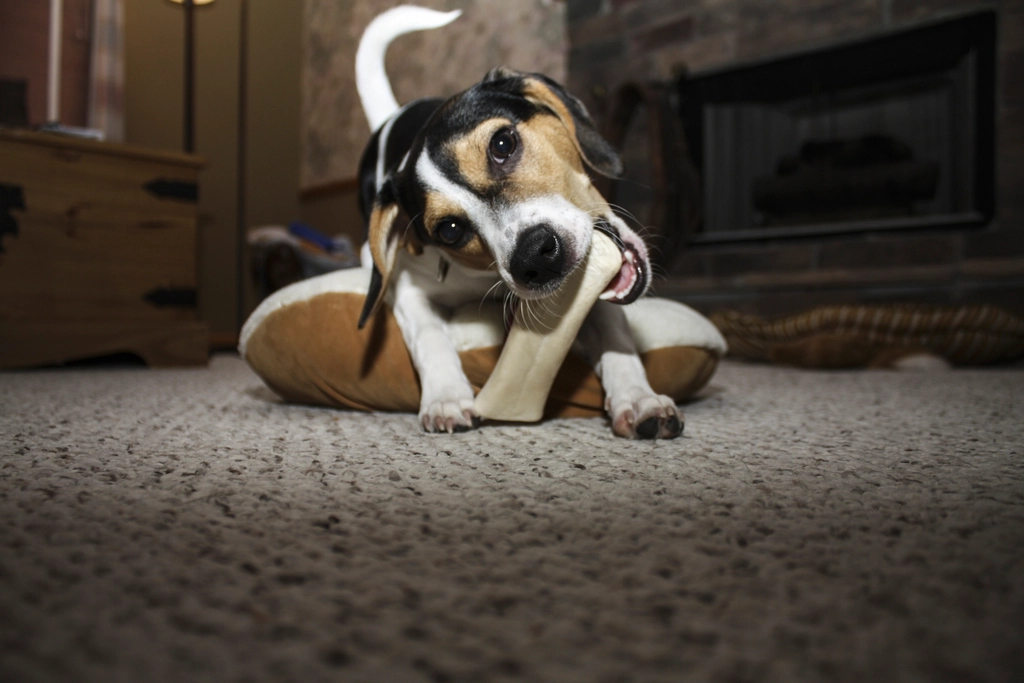
It seems natural to toss a dog a bone, but cooked bones are dangerous. Raw bones can carry bacteria, but cooked bones snap into sharp splinters easily. These sharp edges can cut a dog’s mouth, block their throat, or pierce the stomach lining. A vet often has to perform costly surgery to remove stuck bone fragments from a dog’s insides.
Fatty meat cuts and steak trimmings seem like a loving reward, but heavy fat causes severe stomach inflammation called pancreatitis. A dog that eats a pile of bacon fat might spend days throwing up and shaking in pain. Give them a piece of plain cooked chicken breast without skin or spices instead.
Corn on the cob is a huge hazard during summer barbecues. Dogs love the taste of buttered corn, but they often swallow the hard cob center whole. The round cob gets stuck in the small intestine, stopping all digestion. Vet clinics clear many of these blockages every summer.
Avocados contain a substance called persin in their skin, leaves, and seed. While the green flesh is mostly safe in tiny amounts, the huge pit inside presents a massive choking risk. A curious pup can choke on it or swallow it, leading to emergency care.
What Dogs Should Never Eat Around the Yard and House
Danger does not end in the kitchen. Many common household plants cause severe pain or sickness when chewed. The ASPCA lists hundreds of plants that trigger pet illness. True lilies, azaleas, and sago palms top the list of deadly yard plants for a house pet. A single sago palm nut can ruin a dog’s liver in hours.
Human medications must stay locked in a cabinet. Pain pills like ibuprofen and acetaminophen cause stomach ulcers and kidney failure in pets. Never give your dog human pills unless your vet tells you the exact dose to use. Even small child doses can prove far too strong for a medium dog.
Rat poisons and pest baits taste good to dogs by design. They use sweet scents to lure pests, but your pup will eat them too. These poisons prevent blood from clotting or cause brain swelling. Keep all chemicals up high on heavy metal shelves in the garage.
Fertilizers, cocoa mulch, and weed sprays can coat a dog’s paws. When your dog licks their paws clean, they swallow those harsh chemicals. Stick to pet-safe garden products, and keep your dog inside while you treat your lawn.
Warning Signs Your Dog Ate Something Toxic
Dogs cannot tell us when their tummy hurts. You have to watch their body language and daily habits closely. A dog that swallowed something bad usually shows symptoms within 1 to 12 hours. Catching these signs early makes a huge difference in how well your pet recovers.
Watch out for these clear warning signs:
- Vomiting or clear dry heaving
- Severe diarrhea or dark stools
- Drooling much more than normal
- Weakness, wobbling, or collapsing
- Shaking, twitching, or seizures
- Pale gums or yellow eyes
- Extreme thirst and peeing often
If you see two or more of these signs, do not wait around to see if your pet gets better. Call your vet right away or get to an emergency animal hospital. You can learn more about general dog health by reading our articles at Pet Guide Hub to keep your family informed.
What to Do in an Emergency
Panic is normal when your pet eats something dangerous, but staying calm helps your dog more. First, remove any remaining food or chemical from your dog’s mouth safely so they do not swallow more. Grab the packaging or container if you can find it. The label tells the vet exactly what poison your pet ate.
Never try to make your dog throw up at home unless a vet specifically tells you to do it. Some chemicals and sharp bones do more damage coming back up the throat than staying in the stomach. Hydrogen peroxide can also burn a dog’s stomach lining if used incorrectly.
Call your primary vet right away. If their office is closed, search for the nearest emergency animal clinic or call a poison help line. Keep the phone number for the ASPCA Animal Poison Control Center written on your fridge door. They charge a small fee, but their experts guide you through every step.
Take a quick photo of the item, plant, or packaging with your phone. Showing this photo to the vet team helps them start the right treatment without wasting precious minutes guessing.
Safe Food Alternatives Your Dog Will Love
You do not have to ban all fresh snacks from your pet’s life. Many fresh fruits and vegetables make healthy treats for a growing dog. Crunchy snacks clean their teeth and provide good vitamins without adding too many extra calories.
Here are delicious, safe foods to offer your pup:
- Crunchy baby carrots
- Plain apple slices with no seeds
- Fresh blueberry treats
- Cool cucumber slices on hot days
- Plain cooked green beans
- Unsalted pumpkin puree
Start small whenever you introduce a new food to your pup. Give them one tiny piece of carrot or apple and wait a day to ensure their stomach stays settled. Every dog is unique, and some have sensitive tummies that react to new foods.
Feed human food treats in small amounts. Healthy snacks should make up less than ten percent of your dog’s daily food intake. The rest of their meals should come from balanced dog food made just for their age and size.
Keeping your home safe takes just a little daily care. Put trash cans behind closed cupboard doors, clear food off counters, and double-check peanut butter labels. What safe treat will you share with your happy dog today?

Signs Your Cat Is Happy: Easy Ways to Read Their Body Language - Pet Guide Hub
[…] What Dogs Should Never Eat in Your Kitchen and Home […]